
Tools
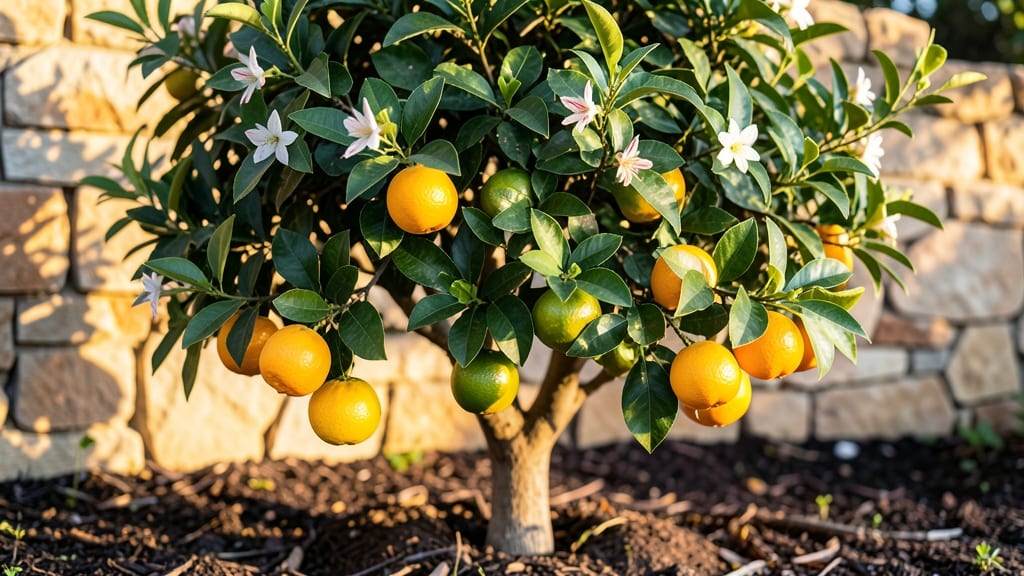
Garden Zone 10B is a frost-free climate zone with average winter lows between 30°F and 35°F (-1°C to 1.7°C), perfect for growing tropical and subtropical plants like mangoes, bougainvillea, and hibiscus year-round. Knowing your zone helps you choose resilient plants and time your planting for optimal growth.
This zone thrives in areas like Southern California, Florida, and Hawaii, where plants can grow almost year-round without frost damage. 🌿 The extended growing season allows for continuous harvests of fruits, vegetables, and flowers, making it ideal for both ornamental and edible gardens.
Unlike cooler zones, Zone 10B gardeners can experiment with heat-loving plants like yuccas, palms, and even some citrus varieties that require winter protection elsewhere.
Understanding your specific microclimate within Zone 10B is key—some areas may experience brief cold snaps, while others stay consistently warm. This knowledge helps you select plants that match your local conditions, whether you're dealing with coastal humidity or inland dryness.
💡 In This Article
- Climate Characteristics of USDA Zone 10B
- Best Plants to Grow in Zone 10B Gardens
Climate characteristics of USDA zone 10B
Zone 10B's defining feature is its frost-free growing season, where average winter lows hover between 30°F and 35°F (-1°C to 1.7°C), creating an environment where tropical plants thrive.
Unlike Zone 10A (which sees slightly cooler winters down to 30°F but with more frost risk) or Zone 11A (where lows rarely dip below 40°F), Zone 10B sits in the sweet spot for heat-loving species.
This narrow temperature range means plants like citrus trees and bougainvillea can remain evergreen year-round without winter dormancy.
The lack of frost extends the growing season to nearly 365 days, allowing for continuous planting cycles with minimal seasonal interruptions. Humidity levels vary dramatically across Zone 10B regions—coastal areas like Southern California experience 60-70% relative humidity with ocean breezes, while inland desert regions may see 30-40% humidity.
These variations affect irrigation needs and disease pressure, with fungal issues being more common in humid coastal gardens. 🌡️ The consistent warmth also means soil temperatures stay above 60°F year-round, eliminating the need for cold frames or row covers that gardeners in cooler zones rely on.
What makes Zone 10B unique is its ability to support plants that would struggle in nearby zones. For example, while Zone 10A can grow avocados, Zone 10B's slightly warmer winters allow for more reliable fruit production.
Similarly, tropical palms that might show winter damage in Zone 10A often thrive in Zone 10B without protection. The key difference lies in the 100-hour cold accumulation threshold—Zone 10B sees fewer hours below 45°F than Zone 10A, making it safer for sensitive tropicals.
Seasonal variations exist but are subtle. Summers typically reach 90-100°F (32-38°C) with occasional heatwaves pushing 110°F (43°C) in inland areas, while coastal regions stay more moderate. This heat intensity affects plant selection—drought-tolerant species like agave and yucca become essential choices.
Rainfall patterns also vary: coastal areas receive 20-30 inches annually, while desert regions may get 5-10 inches, requiring supplemental irrigation for most gardens.
Understanding these microclimates helps gardeners make precise plant choices. For instance, while Mexican bird of paradise (Caesalpinia mexicana) thrives in full sun with minimal water, elephant ears (Colocasia) prefer more moisture and partial shade in hot inland areas.
The zone's consistency means you can plan for year-round blooms by staggering plantings of seasonal favorites like hibiscus (winter), bougainvillea (spring), and plumeria (summer), creating a garden that never sleeps.
One common misconception is that all of Zone 10B experiences identical conditions. In reality, elevation changes can create microclimates where 1,000-foot differences might result in 5°F temperature variations. Coastal gardens benefit from ocean moderation, while inland areas may experience more extreme heat and cold snaps.
This is why local weather data is invaluable—it reveals the actual low temperatures your garden experiences, which might occasionally dip below the zone's average.