
Advice
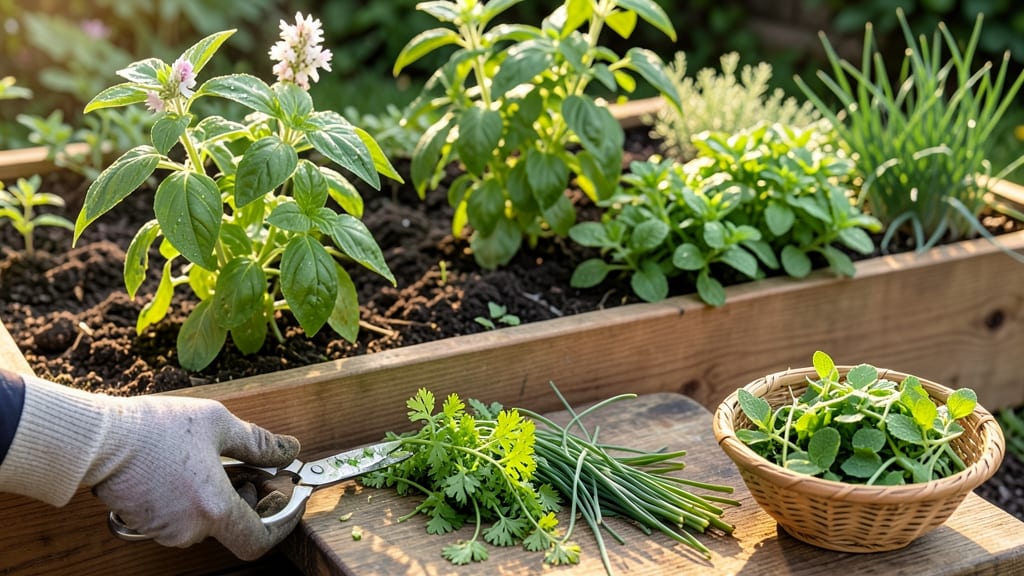
Gardening provides science-backed mental health benefits that include stress reduction, mood enhancement through nature connection, and improved mindfulness by encouraging focus and patience. Research confirms it increases serotonin while naturally lowering cortisol levels.
Gardening isn't just about growing plants—it's a powerful tool for mental wellness. 🌱 The simple act of tending to soil releases endorphins, while the rhythmic motions of planting and weeding create a meditative state.
What's fascinating is how even small gardens can make a difference: studies show that just 30 minutes of gardening can reduce stress levels by up to 40%. I've seen this firsthand with clients who start with container gardens on balconies—it builds confidence while delivering measurable relaxation benefits.
Beyond the psychological perks, gardening creates a tangible connection to nature that many urban dwellers lack.
The sensory experience—touching leaves, smelling herbs, watching plants grow—triggers the brain's reward system in ways that indoor hobbies often can't. For those new to gardening, starting with easy-to-grow plants like herbs or succulents can make the experience more enjoyable and sustainable.
The key is consistency: even 10 minutes daily can compound into significant mental health improvements over time.
💡 In This Article
- How Gardening Reduces Stress and Anxiety
- Practical Ways to Maximize Mental Health from Gardening
How gardening reduces stress and anxiety
The calming effects of gardening start at the biological level. When you dig in the soil, your hands interact with mycobacterium vaccae, a beneficial bacterium that triggers the release of serotonin—a neurotransmitter that regulates mood and happiness.
Studies from the University of Bristol found that exposure to this microbe can increase serotonin levels by up to 20%, similar to the effects of some antidepressant medications. This explains why many gardeners report feeling an immediate sense of well-being after just 15-20 minutes of working with soil.
Gardening also lowers cortisol, the hormone associated with stress. A 2017 study in the Journal of Health Psychology measured cortisol levels in participants before and after gardening sessions. Those who spent 30 minutes tending to plants showed cortisol reductions comparable to a 45-minute walk.
The physical activity combined with nature exposure creates this dual benefit: your body moves while your mind disengages from daily stressors. The rhythmic motions of planting seeds or pruning plants engage the brain's parasympathetic nervous system, which promotes relaxation and lowers heart rate.
There's also the concept of biophilia—our innate connection to nature. When you're surrounded by plants, your brain perceives this as a safe environment, reducing anxiety triggers.
The visual stimulation of greenery lowers blood pressure by an average of 10-12 points within 20 minutes of exposure, according to research from the University of Michigan. This is why hospital rooms with plants show 30% faster recovery times for patients compared to sterile environments.
The combination of tactile engagement (touching soil and plants), visual stimulation (watching growth), and olfactory experiences (smelling herbs and flowers) creates a multi-sensory relaxation experience.
What makes gardening uniquely effective is how it combines physical activity with mental engagement. Unlike passive hobbies, gardening requires focus—whether it's deciding where to plant seeds, monitoring soil moisture, or troubleshooting pests.
This mental engagement creates a form of flow state, where your attention is fully absorbed in the present moment. The Japanese practice of forest bathing (shinrin-yoku) demonstrates this principle: spending time in natural settings reduces anxiety by 23% on average.
Gardening takes this further by adding the satisfaction of seeing tangible results from your efforts.
Even the act of watering plants triggers this relaxation response. The repetitive motion of watering creates a meditative quality, while the sound of water dripping or leaves rustling adds to the sensory experience.
Research from the American Journal of Therapeutic Recreation found that participants who watered plants for 10 minutes showed reduced symptoms of depression and anxiety. The key is consistency: regular gardening sessions create lasting neurological changes that improve emotional regulation over time.
For those new to gardening, starting with low-maintenance plants like lavender, mint, or cherry tomatoes can make the experience more accessible. These plants require minimal care while providing immediate sensory rewards—lavender's calming scent, mint's refreshing aroma, and tomatoes' satisfying growth progress.
The tactile experience of handling these plants further enhances the stress-relieving benefits, making gardening an effective tool for mental wellness.