
Tools
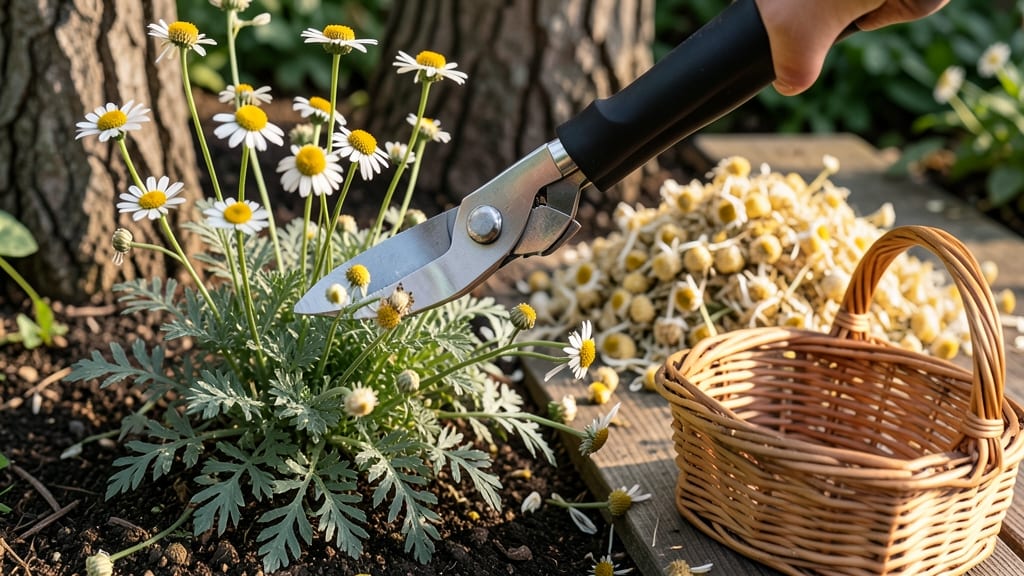
Creating a medicinal tea garden starts with choosing resilient herbs such as chamomile, peppermint, and lemon balm, ensuring they receive ample sunlight (6+ hours daily) and well-draining soil. Organizing plants by water needs and height optimizes growth and simplifies harvesting.
Medicinal tea gardens aren't just about aesthetics—they're functional spaces designed for easy access to your favorite healing herbs. 🌿 Many of these plants, like mint and thyme, thrive in partial shade, while others, such as rosemary and lavender, demand full sun.
I've found that grouping herbs by their water requirements (some prefer moisture, others dryness) prevents over- or under-watering, which can ruin delicate leaves. Plus, taller plants like comfrey can be placed at the back to avoid shading smaller varieties.
Beyond the basics, consider adding perennials like echinacea or calendula for long-term benefits—they return year after year, reducing replanting efforts. Container gardening is also a great option if you're limited on space, allowing you to move plants to follow the sun or protect them from frost.
The key is balancing beauty with practicality so your garden stays productive and enjoyable.
💡 In This Article
- Best Medicinal Herbs for Tea and Their Growing Conditions
- Designing a Functional Medicinal Tea Garden Layout
Best medicinal herbs for tea and their growing conditions
Medicinal herbs thrive in a tea garden because their unique chemical compounds—like flavonoids in chamomile or tannins in hibiscus—develop most effectively under specific conditions. For example, lavender needs 6-8 hours of full sun daily to produce its calming linalool and linalyl acetate compounds, which give it that signature floral aroma.
Meanwhile, peppermint prefers partial shade (4-6 hours of sun) to prevent its volatile oils from degrading in intense heat, ensuring its leaves retain their signature menthol kick.
The soil pH plays a critical role too: rosemary and thyme flourish in neutral to slightly alkaline soil (pH 6.7-7.3), while lemon balm and nettle prefer mildly acidic conditions (pH 5.5-6.5).
This is why mixing compost with sand for well-draining soil is essential—it prevents root rot in moisture-sensitive herbs like comfrey while allowing water to flow freely. Spacing matters too: lavender needs 18-24 inches apart to avoid competition, while compact herbs like thyme can grow just 6-12 inches apart.
Here’s why these conditions matter: when herbs are stressed (from poor soil or overcrowding), their medicinal compounds weaken.
For instance, chamomile’s apigenin—a compound linked to relaxation—drops by 30% if grown in soggy soil. 🌿 The key is mimicking their native habitats: Mediterranean herbs like oregano love dry, rocky soil, while tropical hibiscus thrives in consistently moist, warm conditions.
This precision turns your garden into a pharmacy where every leaf is potent.
Don’t overlook the power of companion planting. Pairing basil with tomatoes boosts both plants’ growth, but in a tea garden, plant mint near cabbage to repel pests naturally. However, mint’s aggressive roots can smother nearby herbs, so contain it in pots.
Similarly, calendula’s bright blooms attract pollinators while its petals can be steeped for their anti-inflammatory properties—making it a dual-purpose plant.
Seasonal timing also affects potency. Harvest lavender just before flowering (late morning after dew dries) to capture peak essential oils. For leafy herbs like lemon balm, pinch back new growth in spring to encourage bushier, more aromatic foliage.
This attention to detail ensures your tea garden isn’t just decorative but a reliable source of therapeutic brews.
Start with these top 5 herbs for a well-rounded tea garden:
- Chamomile: Needs full sun and well-draining soil; harvest flowers for sleep support.
- Peppermint: Thrives in partial shade; rich in menthol for digestion.
- Lavender: Requires dry, alkaline soil; calming and antibacterial.
- Hibiscus: Loves warm, humid climates; high in vitamin C and antioxidants.
- Nettle: Prefers moist, nitrogen-rich soil; packed with iron and minerals.