
Tools
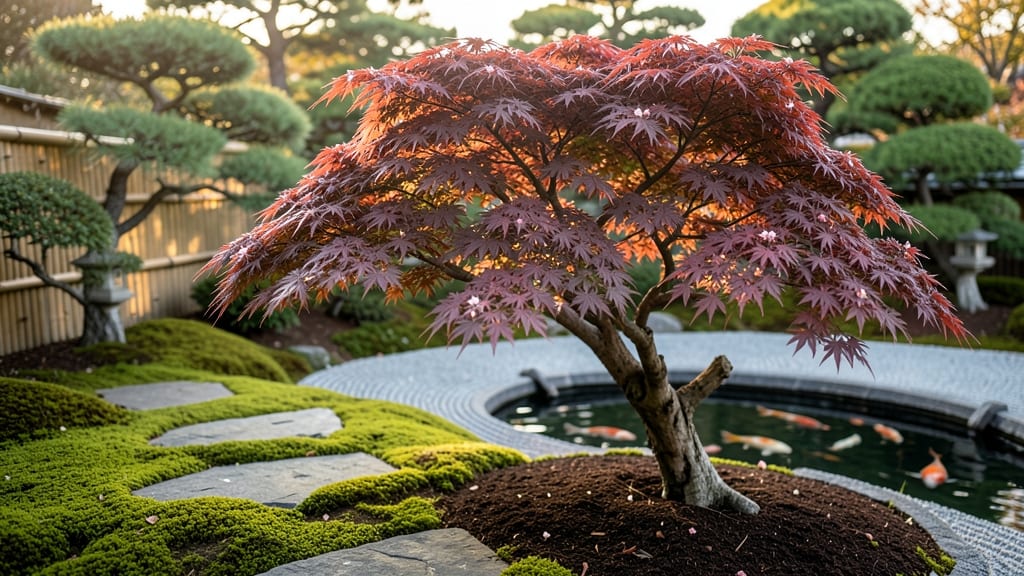
Japanese gardens in Staten Island offer serene escapes with traditional koi ponds, meticulously pruned trees, and Zen-inspired stone pathways. The Staten Island Botanical Garden’s Japanese collection and hidden park spots like Snug Harbor Cultural Center provide tranquil outdoor experiences year-round.
Staten Island’s Japanese gardens blend centuries-old traditions with local landscapes, creating peaceful retreats that feel worlds away from the city. 🌿 These spaces often incorporate moss gardens and lantern-lined paths to enhance their meditative qualities, while the Staten Island Botanical Garden’s collection features rare plants like maples and azaleas that thrive in the region’s climate.
What makes them special is how they adapt traditional Japanese design—like water features symbolizing purity—to Staten Island’s temperate seasons, ensuring beauty in every visit.
Whether you’re seeking a quiet moment or inspiration for your own garden, these spots deliver both cultural richness and practical wisdom.
The Snug Harbor Cultural Center, for example, often hosts seasonal events that deepen your connection to these spaces, while the botanical garden’s Japanese section provides educational signage about plant care and maintenance.
💡 In This Article
- Design Principles Behind Staten Island’s Japanese Gardens
- Best Times and Tips for Visiting Staten Island’s Japanese Gardens
Design principles behind Staten Island’s Japanese gardens
Staten Island’s Japanese gardens masterfully blend traditional wabi-sabi philosophy with local botanical realities. This aesthetic—embracing imperfection and transience—manifests in features like weathered stone lanterns and intentionally asymmetrical plantings, which create visual harmony without rigid symmetry.
The gardens often use irregularly shaped rocks (like those in the Staten Island Botanical Garden’s Japanese section) to represent mountains, a core element in Japanese landscape design that symbolizes endurance and natural beauty.
The water symbolism here takes on special meaning through adaptations to Staten Island’s climate. While traditional Japanese gardens rely on still ponds for reflection, local designers incorporate small, gently flowing streams or shallow water features that mimic natural waterways.
These elements serve dual purposes: they attract native wildlife (like dragonflies and frogs) while maintaining the garden’s meditative quality. The Snug Harbor Cultural Center’s Japanese-inspired gardens, for instance, feature waterfalls no taller than 3 feet—just high enough to create soothing white noise without overwhelming the space.
Plant selection reflects a brilliant compromise between tradition and practicality. While classic Japanese gardens favor pine trees, bamboo, and wisteria, Staten Island’s versions incorporate hardy native species like serviceberry trees and New York state azaleas that thrive in the region’s humid summers and cold winters.
The Botanical Garden’s Japanese collection, for example, includes red maples that turn fiery in autumn, providing seasonal color without requiring tropical climates. This adaptation ensures the gardens remain vibrant year-round, even when traditional Japanese plants might struggle.
Seasonal adaptation is where Staten Island’s gardens truly shine. Designers here use layered plantings—deciduous trees for summer shade, evergreens for winter structure, and early-blooming cherry trees (like the Prunus serrulata variety) that burst into bloom by late April.
The moss gardens, another hallmark of Japanese design, are particularly well-suited to Staten Island’s 60-70% humidity levels, creating lush, velvety carpets that feel like stepping into a forest floor. This thoughtful layering ensures each season offers a distinct visual experience.
Lighting plays a subtle but transformative role in these gardens. Pathways are lined with low-voltage LED lanterns that cast a warm, amber glow—similar to traditional paper lanterns but designed to withstand Staten Island’s occasional coastal winds.
At dusk, these lights create a magical ambiance that enhances the gardens’ meditative qualities, making them perfect for evening visits. The Botanical Garden’s Japanese section, for instance, uses solar-powered lanterns along its 150-foot-long stone pathway, ensuring sustainability while maintaining authenticity.
What’s often overlooked is how these gardens incorporate soundscapes—a key element in Japanese design. The rustling of bamboo, the plinking of water, and even the crunch of gravel paths (like the 1-inch rounded pebbles used in Snug Harbor’s gardens) are all carefully considered.
These auditory elements work together to create a multi-sensory experience that deepens the connection to nature, making each visit feel like a retreat from urban life.