
Tools
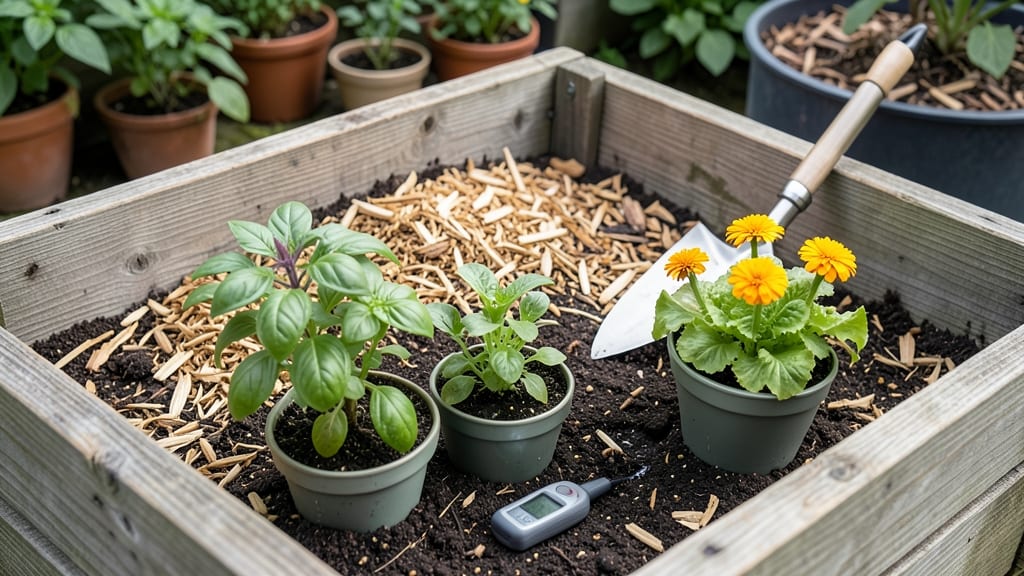
Sawdust can be good for gardens when used properly, as it improves soil moisture retention and adds organic matter, but it may acidify soil over time and deplete nitrogen if not balanced with compost or fertilizer. Always use aged, untreated wood in moderation.
Sawdust works best when incorporated into garden beds as a slow-release organic amendment, particularly for moisture-loving plants like hostas or ferns. 🌱 The key is using aged hardwood (like oak or maple) rather than softwood (like pine), as hardwood breaks down more evenly without extreme pH swings.
I've found that mixing sawdust with alfalfa meal or blood meal prevents nitrogen competition with microbes, creating a balanced soil environment. For container gardens, limit sawdust to 10% of the soil mix to avoid compacting roots.
What makes sawdust particularly useful is its ability to improve soil structure in heavy clay or sandy soils, creating a loamy texture that holds moisture without suffocating roots. However, the acidic breakdown can stress acid-sensitive plants like tomatoes or peppers, so always test your soil pH before heavy application.
I recommend starting with small batches and monitoring plant health—yellowing leaves often signal nitrogen deficiency or pH imbalance.
💡 In This Article
- How Sawdust Affects Soil pH and Nutrient Balance
- Safe Ways to Use Sawdust in Garden Beds
How sawdust affects soil pH and nutrient balance
When sawdust breaks down in soil, it releases organic acids that gradually lower pH levels, creating an acidic environment similar to what pine mulch produces. This process happens because cellulose and lignin in wood decompose into simpler compounds like acetic acid and formic acid, which react with soil minerals.
For example, pine sawdust (pH 4.5-5.5) can drop garden soil pH from neutral 6.5 to around 5.5-6.0 over several months, while oak sawdust (pH 6.0-7.0) has a milder effect. The rate depends on wood type and particle size—finer dust decomposes faster than coarse chips.
Here's the catch: as microbes decompose sawdust, they compete with plants for available nitrogen in the soil.
This competition can lead to nitrogen depletion, causing yellowing leaves even as the sawdust improves moisture retention. 🌱 The breakdown process consumes nitrogen at a rate of about 1 part nitrogen for every 30 parts carbon in the wood.
This is why sawdust should never be used as a standalone soil amendment without nitrogen supplementation. Hardwoods like maple or beech contain less resin than softwoods, so they decompose more cleanly and cause fewer extreme pH swings.
The long-term effects depend entirely on your plants' preferences. Acid-loving plants like blueberries, azaleas, and rhododendrons thrive in this environment, while vegetables like tomatoes and peppers may struggle with stunted growth.
I've observed that container gardens using sawdust without pH adjustment can become too acidic within 6-12 months, requiring lime applications to restore balance. The key is monitoring soil pH regularly—aim for your plants' ideal range, which is typically 6.0-7.0 for most vegetables and 4.5-5.5 for acid-lovers.
Wood type matters more than most gardeners realize. Softwoods like pine or cedar contain higher levels of volatile organic compounds that can inhibit microbial activity initially, while hardwoods decompose more predictably. For example, cedar sawdust releases natural preservatives that may slow decomposition by up to 30% compared to untreated hardwoods.
Always use aged sawdust (at least 6 months old) to avoid introducing fresh wood compounds that could harm plants or attract pests.
Consider this practical example: A raised bed amended with 10% pine sawdust by volume might see its pH drop from 6.5 to 5.5 within 3 months, while the same bed with oak sawdust might only drop to 6.2.
The pine bed would require lime applications, while the oak bed might need only nitrogen supplementation. This is why I recommend starting with small test batches—especially in vegetable gardens where pH stability is crucial for nutrient uptake.
The microbial activity triggered by sawdust decomposition also creates beneficial mycorrhizal fungi that improve root systems, but this takes time. In the short term, the nitrogen competition can outweigh these benefits if not properly managed.
For instance, adding 1 cup of alfalfa meal per 5 gallons of sawdust can prevent nitrogen depletion while still allowing the sawdust to improve soil structure. This balance is what makes sawdust a valuable but conditional soil amendment.