
Advice
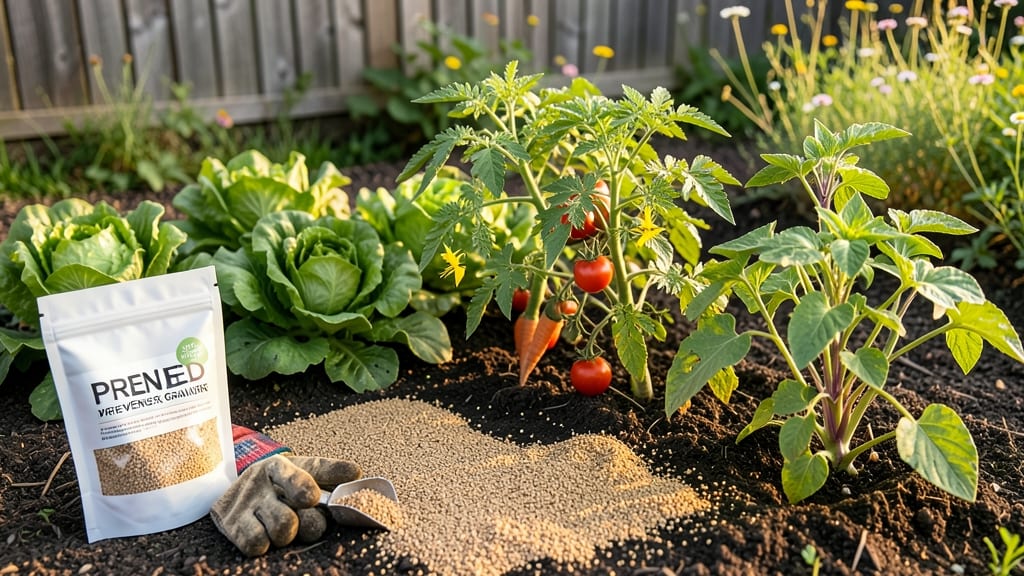
Preen is generally safe for vegetable gardens when used as directed, as it contains corn gluten meal (a natural pre-emergent herbicide) and is OMRI-listed for organic use, though it may inhibit seed germination and should be applied before planting edibles.
Preen's safety for vegetable gardens comes from its active ingredient, corn gluten meal, which is derived from dried corn and acts as a natural weed preventer rather than a killer. 🌱 When applied correctly—typically in early spring before planting—it breaks down in the soil within 2-4 weeks, leaving no harmful residues for your edible crops.
The key is timing: avoid using it after seeds sprout, as it can suppress their growth too. Many organic gardeners swear by Preen because it's non-toxic to plants once fully decomposed, making it a go-to for maintaining healthy garden beds without synthetic chemicals.
For best results, I recommend applying Preen at least 4-6 weeks before planting vegetables to give the corn gluten meal enough time to decompose safely. You can also create a buffer zone of about 6 inches around existing plants to prevent accidental suppression of their growth.
If you're worried about seed germination, consider spot-treating only the areas where weeds are a problem rather than blanketing the entire garden.
💡 In This Article
- How Preen Works in Organic Gardening Systems
- Best Practices for Using Preen Near Edible Plants
How Preen works in organic gardening systems
Preen's active ingredient, corn gluten meal, works by disrupting the natural germination process of weed seeds through a mechanism called "hormonal interference." When applied to soil, the corn gluten meal releases amino acids that mimic plant hormones, specifically auxins, which are crucial for seedling growth.
These amino acids interfere with the normal cell division process in weed seeds, preventing them from sprouting while leaving established plants largely unaffected. This makes it an effective pre-emergent herbicide that targets weeds before they become a problem. 🌱
The breakdown process of corn gluten meal is what makes Preen safe for vegetable gardens when used correctly. Under typical garden conditions, the corn gluten meal decomposes completely within 2-4 weeks, though this timeline can vary based on soil temperature and moisture levels.
Warmer soils (above 60°F) accelerate decomposition, while cooler soils may extend the process. During this time, the corn gluten meal also acts as a slow-release fertilizer, providing about 0.5-1% nitrogen to the soil, which benefits plant growth once it's fully broken down.
What sets Preen apart in organic gardening is its OMRI (Organic Materials Review Institute) certification, which means it meets strict organic standards for use in certified organic production. This certification ensures that the product doesn't contain synthetic ingredients or leave harmful residues that could contaminate edible crops.
The OMRI listing also means Preen won't appear on the National Organic Program's (NOP) list of prohibited substances, making it a trusted choice for organic gardeners who want to maintain their certification while controlling weeds.
One important aspect of how Preen works is its selective nature. While it effectively suppresses weed seeds, it has minimal impact on established plants because their root systems are already developed and less sensitive to the hormonal interference.
This selectivity is why you can safely use Preen around mature vegetables, but you must avoid applying it to areas where you plan to sow new seeds for at least 4-6 weeks afterward.
The key is timing—think of it as a natural weed barrier that you "turn off" before planting your edibles. ✨
For those concerned about soil microbial activity, corn gluten meal actually has a positive effect on beneficial soil organisms. Unlike synthetic herbicides that can disrupt soil ecosystems, corn gluten meal serves as a food source for beneficial microbes and earthworms, which helps improve soil structure over time.
This dual function—weed suppression and soil enrichment—makes Preen a valuable tool in sustainable gardening practices.
To visualize the process, imagine Preen as a temporary "blanket" that smothers weed seeds while allowing your established plants to breathe. The blanket dissolves naturally, leaving behind healthier soil ready for your next planting.
This is why many organic gardeners use Preen as part of their crop rotation strategy, applying it in late winter or early spring before planting summer vegetables, then switching to other organic weed controls for subsequent plantings. 🌿