
Advice
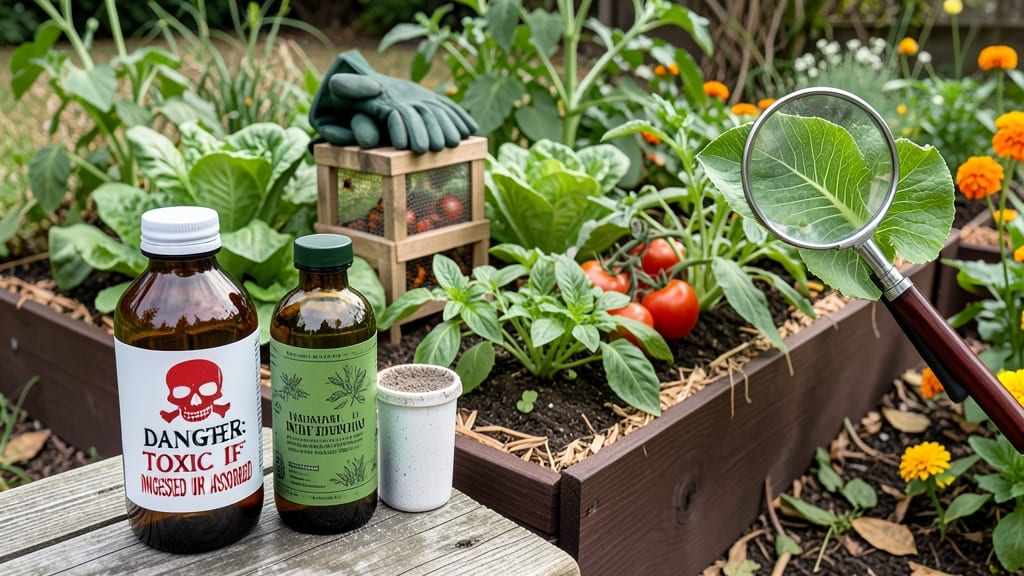
Bifenthrin is not considered safe for vegetable gardens because of its severe risks to pollinators, soil health, and human neurological safety, despite EPA approval with strict 1-7 day pre-harvest wait times and residue limits. Organic options like neem oil or pyrethrin sprays offer effective pest control without these hazards.
Bifenthrin's synthetic pyrethroid chemistry disrupts insect nervous systems, making it highly effective against pests but devastating to beneficial insects like bees and ladybugs. 🐝 The EPA's approval includes tight restrictions, but even trace residues can harm wildlife and pose long-term risks to gardeners handling treated plants.
For edible crops, the wait times feel more like a compromise than a safety net—especially when organic alternatives like insecticidal soap or kaolin clay deliver comparable results without the chemical footprint.
What's particularly concerning is how bifenthrin lingers in soil, potentially affecting future harvests even after the recommended wait period. Many gardeners switch to targeted organic solutions because they work quickly on specific pests (like aphids or squash bugs) while preserving the garden's ecosystem.
The key is matching the right alternative to your biggest pest threat—neem oil for soft-bodied insects, for example, or diatomaceous earth for crawling pests.
💡 In This Article
- Bifenthrin Toxicity Risks for Vegetable Gardens
- Safer Pesticide Alternatives for Organic Vegetable Gardens
Bifenthrin toxicity risks for vegetable gardens
Bifenthrin works by binding to sodium channels in insect nervous systems, causing rapid paralysis and death in targeted pests like beetles and caterpillars. 🌱 However, this same mechanism affects beneficial insects like bees and ladybugs, which have similar sodium channels—making bifenthrin particularly dangerous to pollinators.
Studies show that even trace amounts can disrupt bee navigation, leading to colony collapse. The EPA's tolerance levels for bifenthrin residues on produce range from 0.1 to 2.0 ppm, depending on the crop, but these limits don't account for environmental accumulation or long-term exposure risks.
What makes bifenthrin especially problematic in vegetable gardens is its persistence in soil and water. Unlike organic pesticides that break down quickly, bifenthrin can remain active for weeks to months, potentially contaminating future harvests even after the recommended 1-7 day pre-harvest wait times.
The chemical's half-life in soil ranges from 30 to 180 days, depending on conditions, which means it can linger long after application. This persistence disrupts soil microbiomes, reducing beneficial bacteria and fungi that help plants absorb nutrients.
For gardeners, the risks extend beyond environmental harm. Bifenthrin has been linked to neurological effects in humans, including headaches, dizziness, and in rare cases, more severe symptoms like seizures. The EPA classifies it as a Class II moderately hazardous substance, requiring careful handling and storage.
When applied to edible crops, even following wait times, residues can remain on leaves or in soil where they might be ingested during harvest or through accidental contact.
Consider this scenario: You spray bifenthrin on your tomato plants to control hornworms, then harvest the fruit after the 7-day wait time. While the residue may be below EPA limits, washing won't remove all traces, and the chemical's breakdown products could still pose risks.
The soil beneath those plants may also contain bifenthrin, which could affect future crops or nearby plants. This is why many organic gardeners avoid bifenthrin entirely, opting for targeted solutions that don't compromise soil health or pollinator populations.
Another critical factor is bifenthrin's impact on non-target species. For example, earthworms—essential for soil aeration and nutrient cycling—are highly sensitive to bifenthrin exposure. Research shows that even low concentrations can reduce earthworm populations by up to 50%, disrupting the garden's natural balance.
This ripple effect can lead to poorer plant growth, as earthworms help break down organic matter and improve soil structure. 🌿 The trade-off between short-term pest control and long-term garden health often makes bifenthrin an unappealing option for sustainable growers.
If you're dealing with a severe pest infestation, bifenthrin might seem like a quick fix, but the collateral damage to your garden's ecosystem is significant. The chemical's broad-spectrum action means it doesn't distinguish between harmful pests and beneficial insects, which can throw your garden's natural defenses out of balance.
For example, a single application can wipe out entire populations of ladybugs, which are natural predators of aphids—meaning you'll likely face more pest problems later. This is why many gardeners turn to organic alternatives that target specific pests without harming the garden's delicate ecosystem.