
Tools
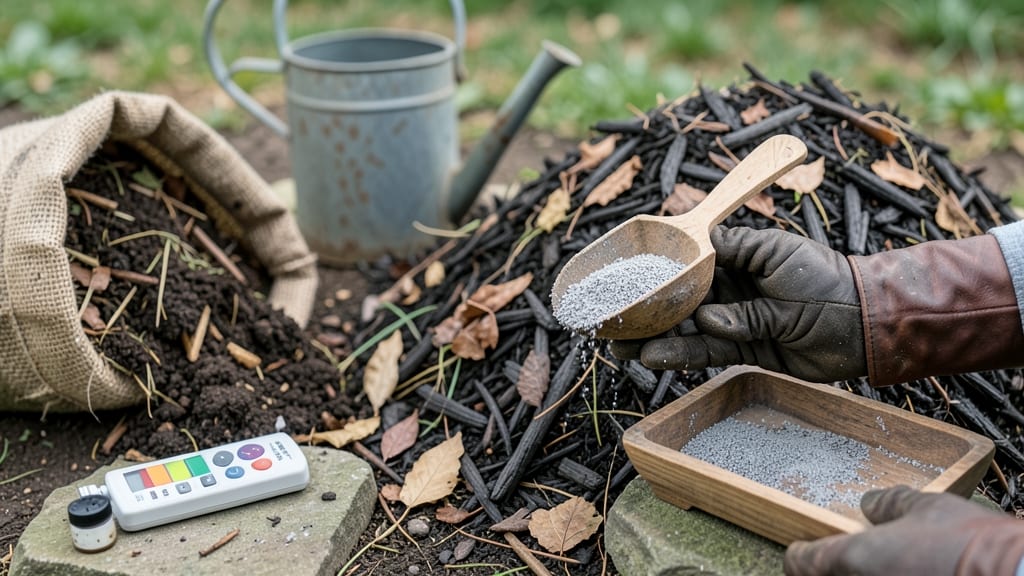
Firewood ash is good for a garden as a natural soil amendment that raises pH levels, particularly for acid-loving plants, but it requires careful application to prevent over-alkalizing delicate root systems. Always test your soil and use minimal amounts.
Wood ash works as a soil amendment because it contains essential minerals like potassium, calcium, and phosphorus, which help neutralize acidic soil conditions. 🌱 These nutrients improve plant growth for certain crops but can harm others—like azaleas or blueberries—that thrive in acidic environments.
The key is moderation: a light dusting (about 1-2 pounds per 100 square feet) in spring or fall is ideal, while avoiding direct contact with plant stems to prevent root damage.
For best results, mix the ash into the top inch of soil rather than applying it as a surface layer. This ensures even distribution and reduces the risk of clumping. Always store unused ash in a dry, sealed container to prevent moisture absorption, which can create a hazardous, corrosive sludge.
If you're unsure about your soil's pH, conduct a simple test before applying ash—this helps you avoid overcorrecting and potentially stunting plant growth.
💡 In This Article
- How Wood Ash Adjusts Soil pH and Nutrient Balance
- Safe Ways to Use Firewood Ash in Your Garden
How wood ash adjusts soil pH and nutrient balance
Wood ash primarily contains calcium carbonate (CaCO₃), which acts as a natural lime, raising soil pH levels by neutralizing acidic conditions.
When mixed into soil, this alkaline compound reacts with hydrogen ions (H⁺) in acidic soil, binding them into water (H₂O) and carbon dioxide (CO₂). 🌿 For example, if your soil pH is 5.0 (highly acidic), applying wood ash can gradually shift it toward 6.0-7.0, the ideal range for most vegetables like tomatoes or peppers.
The chemical process is similar to how agricultural lime works, but wood ash provides additional minerals like potassium and phosphorus in smaller amounts.
The nutrient boost from wood ash isn't just about pH—it also supplies potassium (K₂O), which enhances root growth and disease resistance, and phosphorus (P₂O₅), crucial for flowering and fruiting plants.
However, the mineral composition varies dramatically depending on the wood source: hardwood ash (like oak or maple) contains about 30-50% calcium carbonate, while softwood ash (like pine) has more potassium but less calcium. 🔥 This variation means hardwood ash is better for pH correction, while softwood ash may be preferable for potassium-loving plants like potatoes or corn.
Not all plants respond equally to wood ash. Acid-loving plants like blueberries, azaleas, and rhododendrons can suffer if their soil pH rises above 5.5, as this reduces iron and manganese availability, causing yellowing leaves (chlorosis).
Conversely, alkaline-tolerant plants like lavender, thyme, or asparagus thrive when soil pH increases to 7.0-8.0. The key is matching the ash application to your garden's specific needs—test your soil first to determine whether you need to raise or maintain its current pH.
Wood ash also improves soil structure by adding fine, gritty particles that enhance aeration and water drainage. The particles are roughly 0.1-0.5 millimeters in size, creating tiny air pockets that help roots breathe.
However, overapplication can create a crusty layer on the soil surface, blocking water and oxygen penetration. 💫 This is why experts recommend spreading ash thinly and mixing it into the top 1-2 inches of soil rather than leaving it on top.
One often-overlooked benefit is wood ash's ability to deter pests. The high pH and mineral content make the soil less hospitable to slugs, snails, and some fungal pathogens. For instance, sprinkling ash around hostas or lettuce can reduce slug damage by creating an unfavorable environment.
Yet, this same alkalinity can harm beneficial soil microbes like mycorrhizal fungi, which thrive in slightly acidic conditions (pH 6.0-7.0). Balance is everything—think of wood ash as a tool, not a cure-all.