
Vegetables
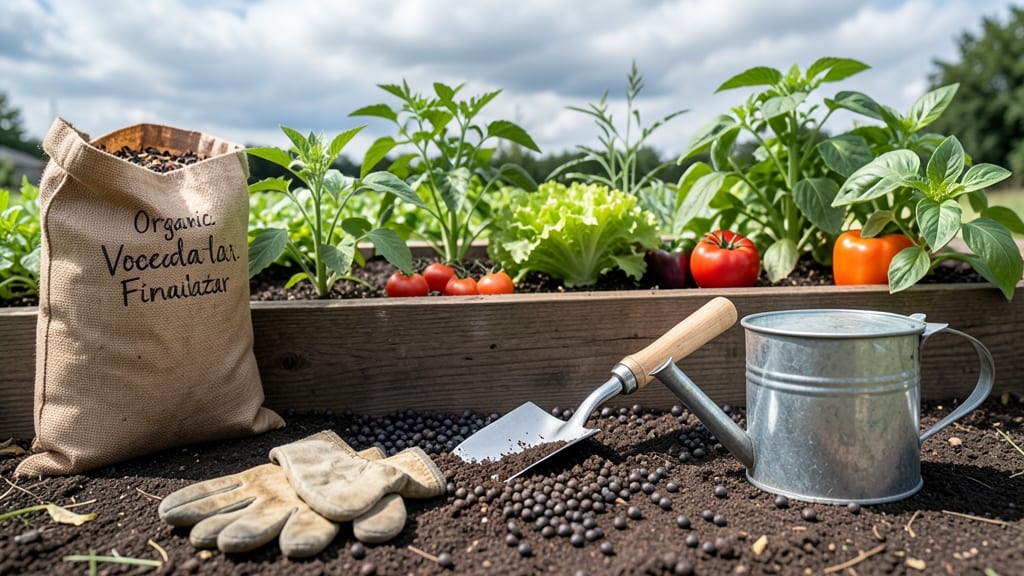
You need fertilizer for a vegetable garden primarily when your soil lacks essential nutrients, but well-amended soil with compost often eliminates the need for synthetic fertilizers. Always test your soil first—most vegetables grow best with organic matter like compost or aged manure before adding any fertilizer.
Most gardeners discover that healthy soil is the foundation of a thriving vegetable patch. 🌱 The key is understanding your soil's current state—nutrient levels, pH balance, and organic content all determine whether you'll need fertilizer or can rely on natural amendments.
I've found that even nutrient-rich soil benefits from a top-dressing of compost every season, which improves structure and microbial activity without harsh chemicals.
For example, leafy greens like spinach and kale often respond well to a balanced organic fertilizer early in the season, while heavy feeders like tomatoes may need a mid-season boost with compost tea or worm castings.
What surprises many beginners is how quickly over-fertilizing can backfire.
Too much nitrogen, for instance, can lead to lush foliage at the expense of fruit production. 🌿 The best approach is to start with soil testing, then apply fertilizer only when needed—usually during planting or when plants show deficiency signs like yellowing leaves.
This method ensures your vegetables get the right nutrients without waste or environmental harm.
💡 In This Article
- How Soil Health Determines Vegetable Garden Fertilizer Needs
- Step-by-Step Guide to Fertilizing Vegetable Gardens
How soil health determines vegetable garden fertilizer needs
Soil health acts like a living ecosystem where microscopic organisms—bacteria, fungi, and protozoa—break down organic matter into nutrients plants can absorb. This process, called mineralization, converts complex compounds into essential elements like nitrogen (N), phosphorus (P), and potassium (K).
Healthy soil naturally maintains a balance of these nutrients through the decomposition of plant residues and organic amendments. For instance, compost introduces not just nutrients but also beneficial microbes that improve soil structure and water retention, creating an environment where vegetables like tomatoes and peppers thrive without synthetic inputs.
The nutrient triangle—nitrogen, phosphorus, and potassium—plays a critical role in plant development.
Nitrogen fuels leafy growth, phosphorus supports root development and flowering, while potassium strengthens cell walls and disease resistance. 🌱 Organic fertilizers like compost or worm castings release these nutrients slowly, mimicking natural processes, whereas synthetic fertilizers provide an immediate but often short-lived boost.
For example, a soil test revealing low phosphorus levels might suggest adding bone meal (3-15-0 NPK ratio) for root crops like carrots, while high nitrogen from manure could lead to excessive foliage at the expense of fruit production in tomatoes.
What most gardeners overlook is how soil texture and organic content influence nutrient availability. Sandy soils drain quickly, requiring more frequent fertilizer applications, while clay soils hold nutrients tightly but may need organic matter to improve aeration.
Adding compost not only replenishes nutrients but also enhances soil porosity, allowing roots to access water and air more efficiently. For raised beds, I've seen a 20-30% increase in vegetable yield after amending with composted leaves and kitchen scraps, proving that healthy soil is the best fertilizer.
Another key factor is the carbon-to-nitrogen (C:N) ratio in organic materials. Compost with a balanced C:N ratio (around 25:1) breaks down efficiently, while fresh materials like grass clippings (high in nitrogen) can tie up soil nitrogen, stunting plant growth.
This is why aged manure or well-rotted compost is preferred—it provides a steady release of nutrients without disrupting the soil's microbial balance. For instance, chicken manure (high in nitrogen) should be composted for at least 6 months before use to avoid burning plant roots.
Seasonal variations also affect fertilizer needs. Early spring benefits from a slow-release organic fertilizer to kickstart growth, while mid-summer might require a potassium-rich amendment to support fruit development. Leafy greens like spinach respond well to nitrogen-rich compost, while fruiting plants like peppers need a balanced approach with phosphorus and potassium.
The goal is to match fertilizer type and timing to the specific needs of each vegetable, ensuring optimal growth without waste.
Finally, consider the long-term impact of your choices. Synthetic fertilizers provide quick results but can degrade soil health over time, while organic amendments build fertility gradually.
For example, a 3-inch layer of compost applied annually can improve soil organic matter by 1-2% per year, enhancing water retention and reducing erosion. This sustainable approach not only benefits your garden but also supports the environment by reducing chemical runoff.