
Advice
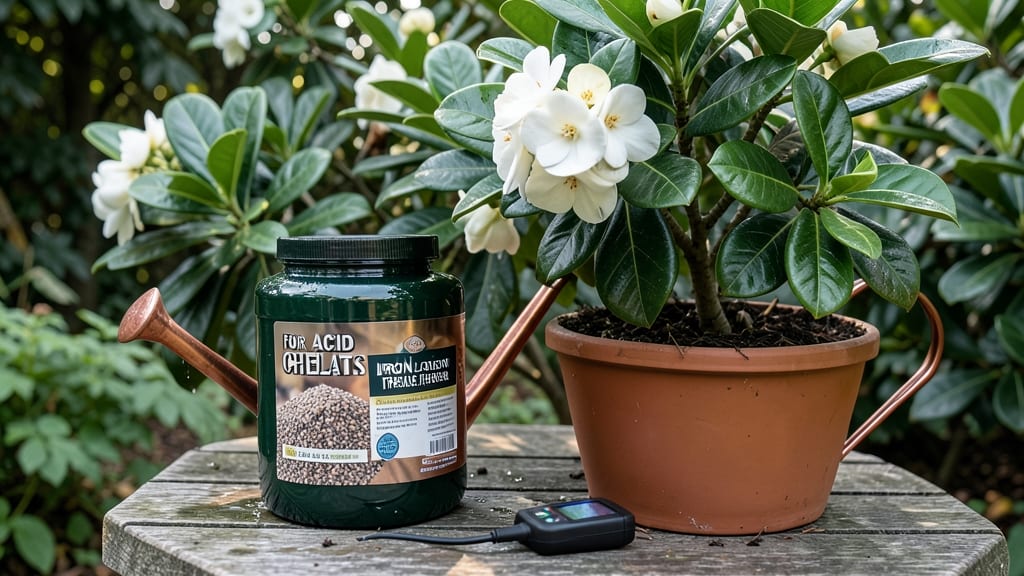
Your gardenias need iron to thrive, and without it, those glossy leaves turn yellow with stubborn green veins—even when you’re watering and fertilizing like you should.
Picture this: vibrant 🌸 blooms fading into a sad, patchy mess because the soil pH is locking out iron, no matter how much you feed them. The fix isn’t complicated, but it is precise—think chelated iron, sulfur amendments, and a soil pH test to pinpoint the problem.
Below, I’ll walk you through how to diagnose the issue (yes, there’s a simple test for this), the best iron supplements for gardenias, and how to keep your soil acidic so the problem doesn’t creep back.
By the end, your gardenias will be back to their lush, fragrant best—no more guessing, just actionable steps for stronger roots and bigger blooms.
How to identify and fix iron deficiency in gardenias
Your gardenias might be screaming for help if their leaves turn a sickly yellow between the veins while keeping green edges. This classic iron deficiency (chlorosis) is one of the most common issues for these acid-loving shrubs.
Since gardenias thrive in acidic soil (pH 5.0-6.5), they struggle to absorb iron when soil becomes alkaline or compacted. Without intervention, your plants will produce fewer blooms and weaker growth, but the good news? This problem is usually fixable with the right approach.
Iron is essential for chlorophyll production, which gives leaves their vibrant green color. When gardenias can't access enough iron—often due to high soil pH or poor drainage—they develop yellowing leaves with green veins, a telltale sign of deficiency.
Unlike nutrient deficiencies that affect older leaves first, iron deficiency typically starts on new growth, making it easier to spot if you check regularly. The key to fixing this issue lies in accurate diagnosis before applying any solutions.
| Symptom | Likely Cause | Diagnostic Test | Quick Fix |
|---|---|---|---|
| Yellow leaves with green veins | Iron deficiency (chlorosis) | Soil pH test (should be 5.0-6.5) | Apply chelated iron (e.g., Iron Chelate 13%) |
| Stunted growth | Poor nutrient uptake | Leaf analysis (check iron levels) | Add organic compost and sulfur |
| Slow blooming | Nutrient imbalance | Test soil for phosphorus and potassium | Use acid-loving fertilizer (8-3-9 NPK) |
| Brown leaf edges | Over-fertilization or drought | Check moisture levels | Reduce fertilizer and water deeply |
Before rushing to add iron supplements, it's crucial to confirm the diagnosis. Start by examining the soil pH—gardenias need acidic conditions to absorb iron efficiently. If your soil tests above 6.5 pH, iron becomes unavailable even if it's present.
Grab a soil pH test kit (available at garden centers for under $10) or send a sample to a local extension office for professional analysis. For a quick at-home test, mix 1 part soil with 2 parts distilled water, stir, and use pH strips to check the liquid.
If the pH is too high, you'll need to lower it gradually—never drop it below 5.0, as this can harm roots. Spread elemental sulfur around the base of your gardenias (follow package rates) and water thoroughly. Sulfur works slowly, so plan to retest the soil in 2-3 months.
Pair this with a chelated iron supplement, which binds iron so plants can absorb it even in slightly alkaline conditions. My go-to is Iron Chelate 13%, but avoid iron sulfate unless your soil is extremely acidic.
For a foliar spray, mix 1 tsp of chelated iron with 1 gallon of water and apply to leaves in the early morning. This method provides immediate results—you may see improvement in 1-2 weeks.
However, soil applications (like iron granules) offer long-term benefits. Always water after applying iron to prevent leaf burn. If your gardenias are in containers, flush the soil with water after treatment to avoid salt buildup.
Organic gardeners can try compost tea or fish emulsion, though these provide iron in smaller amounts. For a DIY fix, steep used coffee grounds in water for 24 hours, then use the liquid to water your gardenias. Coffee grounds are slightly acidic and can help lower pH over time.
Pair this with a mulch layer of pine needles or peat moss to maintain acidic conditions naturally. Remember, prevention is key—regularly test soil pH and amend as needed to keep your gardenias thriving.
One common mistake is overcorrecting iron deficiency. Too much iron can be just as harmful as too little, leading to leaf scorch or root damage. Always follow package instructions and monitor your plants closely after treatment.
If you notice new yellowing after applying iron, flush the soil with water and reassess your approach. Gardenias are finicky but rewarding—with the right care, they'll reward you with fragrant blooms and glossy foliage all season long.
🌿 For best results, combine iron treatments with proper watering (deep soaks every 2-3 days) and partial
Best iron supplements for gardenias: chelated vs. non-chelated options
When your gardenias show those telltale yellow leaves with green veins, it’s a clear sign of iron deficiency. But not all iron supplements work the same—especially for acid-loving plants like gardenias.
The right choice depends on your soil type, pH, and how quickly you need results. Let’s break down your options so you can pick the best iron supplement for your gardenias.
Gardenias thrive in acidic soil (pH 5.0-6.5), where iron is most available. However, alkaline soils lock out iron, making supplements essential. The key difference? Chelated iron binds to iron for better absorption, while non-chelated options like iron sulfate can work but require precise application.
Organic choices like fish emulsion offer a gentler approach but may take longer to show results.
Iron Supplement Comparison for Gardenias
- ✅ Fast-acting for severe deficiency
- ✅ Budget-friendly option
- ✅ Works in acidic soil
- ❌ Can burn roots if overapplied
- ❌ Less effective in alkaline soil
- ✅ Highly soluble in all pH levels
- ✅ Long-lasting in soil
- ✅ Safe for foliar sprays
- ❌ More expensive than sulfate
- ❌ Requires proper dilution
- ✅ Works in slightly alkaline soil
- ✅ Gentle on plant roots
- ✅ Good for foliar feeding
- ❌ Less stable than EDDHA
- ❌ Slower release than sulfate
- ✅ Improves soil fertility
- ✅ Slow-release iron
- ✅ Eco-friendly option
- ❌ Can attract pests
- ❌ Takes weeks to show results
- ✅ Provides iron + nitrogen
- ✅ Works well in foliar sprays
- ✅ Improves soil structure
- ❌ Strong odor
- ❌ Requires frequent reapplication
For quick fixes, iron sulfate is my go-to for gardenias in acidic soil. Mix 1 teaspoon per gallon of water and apply as a soil drench every 4-6 weeks.
But if your soil is slightly alkaline, EDDHA chelate is the gold standard—it stays available longer and won’t get locked out. I’ve seen gardenias bounce back in just 2-3 weeks with the right chelated iron.
Organic options like fish emulsion are perfect if you prefer natural solutions. Dilute it to 1-2 tablespoons per gallon and spray it on leaves or pour it into the soil.
It’s slower but safer for long-term soil health. Just remember: organic iron works best when combined with regular compost to keep the soil acidic.
No matter which supplement you choose, avoid over-fertilizing. Too much iron can be just as harmful as too little. Start with a small dose and monitor your gardenias for improvement. If you see new growth within 3-4 weeks, you’re on the right track!
Pro tip: Pair your iron supplement with a soil pH test every few months. Keeping the pH between 5.0 and 6.5 ensures your gardenias can access all the iron they need—no supplements required. Happy gardening! 🌸