
Tools
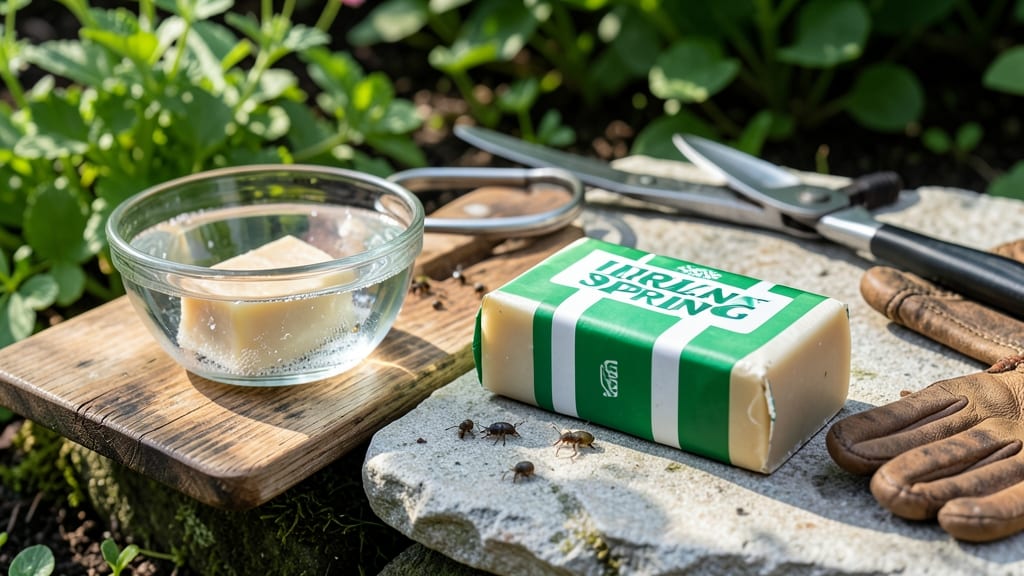
Irish Spring soap in the garden is safe when used in diluted form for controlling pests, preventing fungal growth, and sanitizing tools—but never apply it directly to plants or soil, as its high pH can damage foliage and disrupt beneficial soil microbes.
This classic bar soap's natural saponins and fatty acids make it a surprisingly effective garden ally when properly diluted. 🌿 The key lies in its ability to break down insect exoskeletons without harming plants when used at the right concentration—typically 1-2 tablespoons per gallon of water.
I've found it particularly useful against soft-bodied pests like aphids and spider mites, though it works best as a preventive measure rather than a cure-all. The soap's antimicrobial properties also help control powdery mildew when applied to foliage during early infection stages.
For best results, always mix your solution in a separate container and apply during early morning or late evening when temperatures are cooler. Never use it on edible plants within 24 hours of harvest, and consider testing on a small leaf area first to check for sensitivity.
The soap's alkaline nature means it won't linger in the soil like synthetic pesticides, making it a safer option for organic gardening when used responsibly.
💡 In This Article
- How Irish Spring Soap Works as a Natural Garden Pesticide
- DIY Irish Spring Soap Spray Recipes for Garden Use
How Irish Spring soap works as a natural garden pesticide
The effectiveness of Irish Spring soap as a garden pesticide stems from its chemical composition, particularly the saponins and fatty acids present in the soap. These compounds work by disrupting the protective waxy layer on insect exoskeletons, causing dehydration and ultimately killing soft-bodied pests like aphids, spider mites, and whiteflies.
The soap's alkaline nature (pH typically between 8-9) creates an environment that's inhospitable to these pests while being gentle enough when properly diluted.
When applied at a concentration of 1-2 tablespoons of grated Irish Spring soap per gallon of water, the solution creates microscopic bubbles that cling to insect bodies, effectively suffocating them.
This method is particularly effective against pests that feed on plant sap, as the soap doesn't just kill but also repels them from returning. The fatty acids in the soap also have mild fungicidal properties, making it useful against early-stage fungal infections like powdery mildew.
However, the key to its success lies in the dilution ratio—using undiluted soap would create a harsh, plant-damaging solution.
What makes Irish Spring soap unique compared to other bar soaps is its high glycerin content, which acts as a natural humectant. This means the soap solution remains effective longer when sprayed, providing residual protection for up to 2-3 days after application.
The glycerin also helps the solution adhere better to plant surfaces, increasing its contact time with pests. For best results, always mix the solution in a separate container and apply it using a spray bottle with a fine mist setting to ensure even coverage without clogging foliage.
The soap's mechanism works best as a preventive measure rather than a cure for established infestations. When applied during the early stages of pest activity, it can significantly reduce populations before they become unmanageable.
The solution should be applied to the undersides of leaves where many pests hide, and during cooler parts of the day to minimize plant stress.
Always test the diluted solution on a small area of the plant first, as some varieties—particularly those with delicate foliage like ferns or orchids—may show sensitivity to even diluted soap solutions.
One important consideration is that Irish Spring soap's effectiveness varies by pest type. It works exceptionally well against soft-bodied insects but is less effective against harder-shelled pests like beetles or caterpillars. The soap's mode of action—disrupting the waxy cuticle—simply doesn't penetrate these tougher exoskeletons.
This targeted effectiveness makes it an ideal choice for integrated pest management programs where you want to avoid broad-spectrum chemical pesticides that harm beneficial insects like ladybugs and lacewings.
For gardeners concerned about chemical residues, Irish Spring soap offers a valuable middle ground. Unlike synthetic pesticides that can leave harmful residues, the soap breaks down naturally in the environment. When used according to recommended dilution ratios, it won't persist in the soil or on plant surfaces long-term.
The soap's antimicrobial properties also help reduce the buildup of fungal spores on tools and surfaces, making it useful for cleaning garden implements between uses with different plant varieties.