
Tools
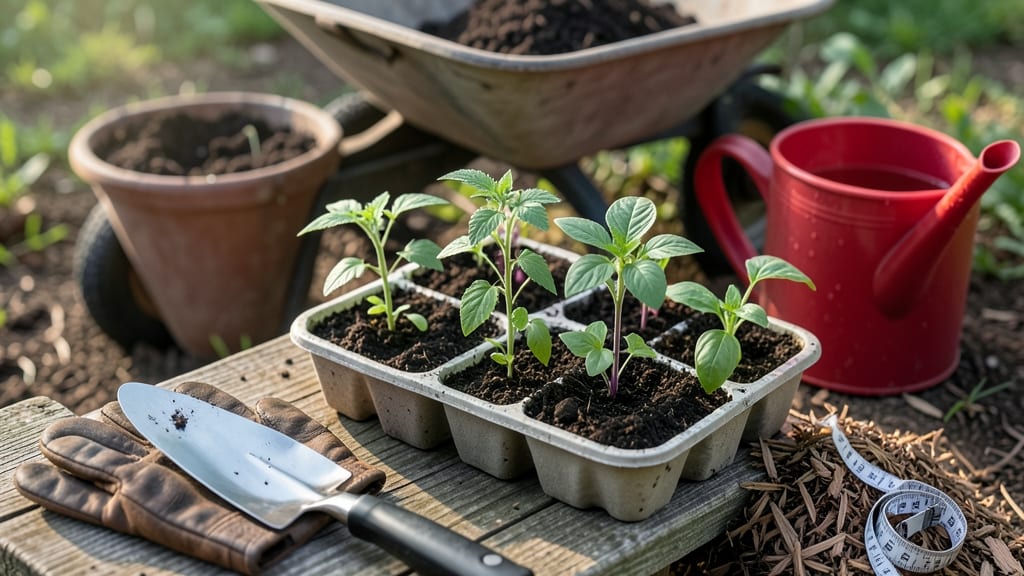
To start a garden in your backyard, begin by choosing a sunny location, testing your soil quality, and selecting easy-to-grow plants like herbs or leafy greens. Prepare the bed with compost, plant small batches, water regularly, and protect young plants from pests.
Creating a thriving backyard garden starts with sunlight exposure—most vegetables and flowers need at least 6-8 hours of direct light daily. 🌱 A simple soil test from your local garden center will reveal whether your dirt needs amendments like compost or lime.
I always recommend beginning with low-maintenance plants like basil, mint, or lettuce to build confidence before tackling more demanding crops.
The key to success lies in consistency: water deeply 2-3 times per week (depending on your climate) and monitor for early signs of pests like aphids or slugs, which can derail even the best-laid plans.
Many beginners overlook the importance of seasonal timing—planting too early in cool climates can stunt growth, while waiting until summer heat sets in may stress seedlings. A quick check of your USDA hardiness zone (found online) helps determine ideal planting windows.
Mulching around plants with straw or wood chips preserves moisture and suppresses weeds, saving you hours of backbreaking work later. For example, my first garden failed because I skipped this step, leading to a weed infestation that took weeks to clear!
💡 In This Article
- Essential Steps for Backyard Garden Planning
- Pro Tips for First-Time Gardeners to Avoid Common Mistakes
Essential steps for backyard garden planning
First, let's talk about sunlight—the most critical factor for any garden. Most vegetables and herbs thrive with 6-8 hours of direct sunlight daily, while leafy greens like lettuce can tolerate 4-6 hours.
Use a simple sunlight map: mark your yard in a sketch and observe which areas receive morning sun, afternoon shade, or full sun all day.
For example, my south-facing yard gets intense afternoon heat, so I reserved that space for heat-tolerant plants like tomatoes and peppers, while the east-facing area (cooler morning light) became home to my basil and spinach.
The next step is soil testing, which reveals the pH balance and nutrient levels. A basic test kit costs around $10 and shows whether your soil is acidic (pH 4.5-6.0), neutral (pH 6.1-7.3), or alkaline (pH 7.4+).
Most vegetables prefer slightly acidic to neutral soil (pH 6.0-7.0). If your test shows poor quality, amend it with 2-3 inches of compost mixed into the top 6-12 inches of soil.
For instance, my clay-heavy soil needed a 50/50 mix of compost and sand to improve drainage and aeration—this simple adjustment doubled my plant survival rate.
When selecting plants, beginners should focus on perennials (like asparagus or rhubarb) for long-term growth or annuals (such as zucchini or marigolds) for seasonal harvests. Ornamental plants like sunflowers or nasturtiums add beauty while attracting pollinators.
The key is to start small: a 4x4-foot bed is manageable for first-timers, while a 10x10-foot plot might feel overwhelming. I recommend grouping plants by their needs—water-loving herbs (mint, parsley) together and drought-tolerant succulents in another section.
Climate zones play a huge role in timing. Check your USDA hardiness zone (Zone 1-13) to determine frost dates—most gardens plant after the last frost in spring and again in late summer for fall crops.
In Zone 7 (where I garden), I start seeds indoors 6-8 weeks before the last frost date (usually mid-March) and transplant seedlings in late April. Hardening off seedlings (acclimating them to outdoor conditions over 7-10 days) prevents shock and improves survival rates.
Layout matters too. Raised beds (especially 4x8-foot frames) improve drainage and reduce soil compaction, while in-ground plots work for larger spaces. Leave 18-24 inches of walking space between beds to avoid trampling plants.
I use cedar mulch around my beds—not only does it suppress weeds, but it also repels pests like slugs and adds a pleasant earthy aroma to the garden. The mulch breaks down slowly, enriching the soil over time with organic matter.
Don't forget to plan for vertical space! Trellises for vining plants like cucumbers or beans save ground space and improve air circulation, reducing disease risk. A 6-foot trellis can support 10-12 feet of plant growth, turning a small area into a productive vertical garden.
This technique has helped me grow 30% more produce in the same footprint!