
Size
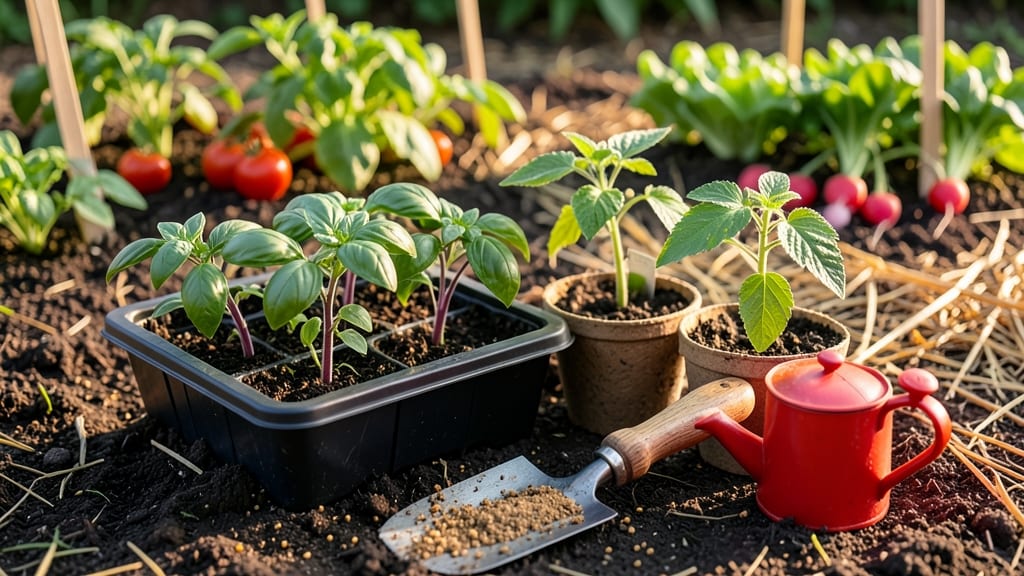
To grow plants in a garden, start by selecting a sunny spot with well-draining soil, enrich the earth with compost, pick plants suited to your climate zone, and maintain regular watering while controlling pests. Timing your planting by seasons and sunlight needs ensures healthy growth.
Garden success begins with understanding your space—most plants need 6-8 hours of sunlight daily, though some thrive in partial shade. 🌱 The soil's health is just as critical: a mix of organic matter like compost improves drainage and nutrient absorption, while testing pH levels helps you adjust for acid-loving plants like blueberries or alkaline-tolerant options like lavender.
I've found that starting with easy-to-grow varieties like lettuce or marigolds gives beginners confidence before tackling more demanding species.
Seasonal timing matters too—cool-season crops like spinach grow best in early spring or fall, while warm-season tomatoes prefer planting after the last frost. Rotating crops yearly prevents soil depletion and pest buildup, which I learned the hard way with my first zucchini patch!
Remember, consistency in watering (about 1 inch per week) and mulching keeps roots cool and moist while suppressing weeds.
💡 In This Article
- Essential Steps for Plant Growth in Garden Soil
- Beginner’s Guide to Selecting and Planting Garden Plants
Essential steps for plant growth in garden soil
The foundation of any thriving garden lies in soil quality, where the right balance of nutrients, structure, and moisture determines plant health. Healthy soil acts like a living ecosystem, teeming with microbes that break down organic matter into plant-accessible nutrients.
A good rule of thumb is to aim for soil with 5-10% organic matter—this creates a crumbly texture that holds moisture while allowing excess water to drain, preventing root rot.
I've tested my garden soil using a simple pH kit and found most vegetables prefer a neutral range of 6.0-7.0, while acid-loving plants like azaleas thrive at 4.5-5.5. 🌱
Sunlight exposure varies dramatically by plant type, with most vegetables requiring 6-8 hours of direct sunlight daily to produce strong stems and abundant fruit. Leafy greens like spinach tolerate partial shade (4-6 hours), while sunflowers and tomatoes demand full sun.
The angle of sunlight changes with seasons—plants in summer need morning sun to prevent wilting, while winter's lower sun encourages gradual growth. I've noticed that planting taller varieties (like corn) on the north side of the garden prevents them from shading shorter plants during critical growing periods.
Seasonal planting schedules align with temperature fluctuations and frost cycles. Cool-season crops (such as broccoli) should be sown 4-6 weeks before the last frost date, while warm-season plants (like peppers) need soil temperatures above 60°F to germinate.
A simple trick is to use a soil thermometer—when readings hit 70°F, it's safe to plant heat-loving species. Mulching with 2-3 inches of straw or wood chips helps regulate soil temperature, keeping roots cool in summer and insulating them in winter.
This practice also conserves moisture by reducing evaporation rates by up to 30%. ✨
Drainage issues are a common pitfall—waterlogged soil suffocates roots and promotes fungal diseases. To test drainage, dig a hole 12 inches deep and fill it with water; if it drains within 2-4 hours, your soil is well-suited for most plants.
For heavy clay soils, amending with 20-30% compost or coarse sand improves aeration. I've seen dramatic results by creating raised beds, which naturally improve drainage while warming up faster in spring. These beds also allow better root development for plants with deep taproots, like carrots or parsnips.
Nutrient cycling is another critical factor—plants continuously draw nitrogen, phosphorus, and potassium from the soil. A balanced 10-10-10 fertilizer provides these essentials, but organic options like bone meal (high in phosphorus) or fish emulsion (rich in nitrogen) offer targeted benefits.
Side-dressing plants mid-season with compost or manure tea gives them a nutrient boost without overwhelming the soil. What most beginners overlook is the role of micronutrients like iron and zinc, which become more available when soil pH is properly balanced.
A foliar spray of chelated iron can revive plants showing yellowing between veins—a classic sign of deficiency. 💫
Finally, soil structure matters—ideal garden soil should have 45% minerals, 5% organic matter, 25% water, and 25% air. The organic matter component acts like a sponge, holding water and nutrients while the mineral particles provide physical support.
I've found that tilling only when necessary preserves this structure, as excessive turning disrupts beneficial soil organisms. For container gardening, a mix of 60% potting soil, 20% perlite, and 20% compost creates an ideal growing medium that prevents compaction while maintaining moisture.