
Size
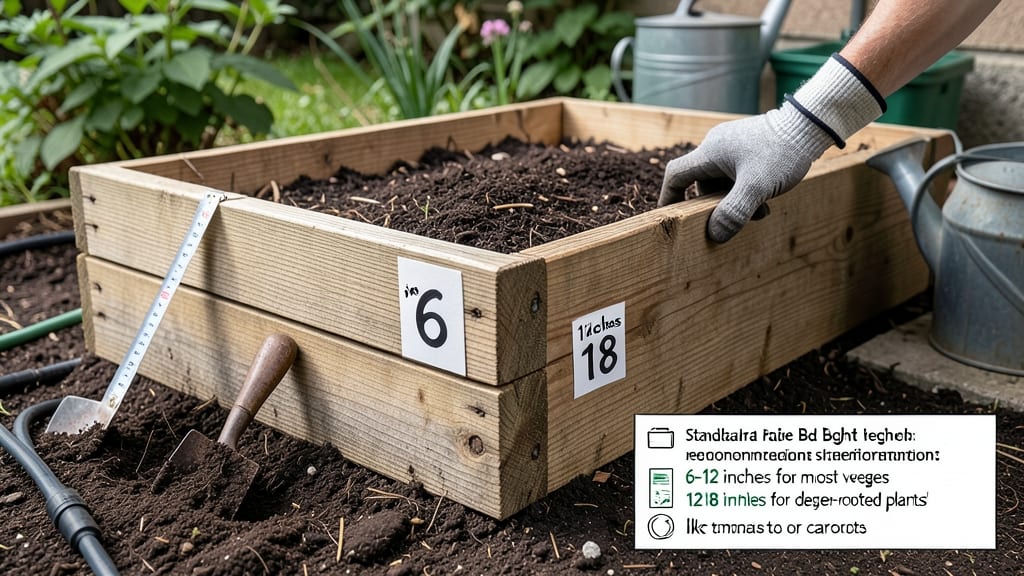
To determine how tall a raised garden bed should be, aim for 10 to 12 inches for most vegetables and herbs, balancing root space with drainage and ease of maintenance. Deeper beds (18–24 inches) accommodate root crops like carrots or potatoes, while shallower beds (6–8 inches) suit shallow-rooted plants like lettuce or strawberries.
A raised garden bed's height directly impacts plant health and your gardening experience. 🌱 The ideal height depends on your crops—deep-rooted vegetables like tomatoes or carrots thrive in taller beds, while herbs and greens do well in shallower setups.
I've found that 12-inch beds strike the best balance for most home gardens, offering enough space for roots while keeping costs manageable. The extra height also improves drainage and reduces soil compaction, which is especially helpful in heavy clay soils.
When planning your bed, consider your materials too—wooden beds lose height over time due to rot, while metal or composite options maintain their dimensions longer. For accessibility, taller beds reduce bending, but they also require more soil and potentially higher initial costs.
Start with your most demanding crops in mind, then adjust the height accordingly.
💡 In This Article
- Root Depth Requirements for Different Plants
- Building the Perfect Raised Garden Bed: Height and Material Considerations
Root depth requirements for different plants
Plants develop root systems tailored to their needs, and bed height directly impacts their growth. Deep-rooted vegetables like carrots, potatoes, and asparagus need 18–24 inches of soil to develop fully.
For instance, a mature carrot can grow roots up to 12 inches long, while potatoes require 10–12 inches of loose soil to form tubers properly. Shallow-rooted plants, such as lettuce, spinach, and strawberries, thrive in beds just 6–8 inches deep, as their roots rarely exceed 6 inches in length.
The science behind this involves oxygen and nutrient availability. Deeper beds improve soil aeration, allowing roots to access more oxygen, which is critical for nutrient absorption. For example, tomatoes—with roots extending 18–24 inches—benefit from taller beds, as their root zones need ample space to spread.
Meanwhile, herbs like basil or cilantro, which have roots no deeper than 4–6 inches, can struggle in overly deep beds, where excess moisture may lead to rot. 🌱
Water retention also plays a role. Taller beds drain faster, preventing waterlogging that can suffocate roots. In contrast, shallower beds retain moisture longer, which is ideal for leafy greens that prefer consistently damp soil.
For instance, a 6-inch bed for lettuce keeps the root zone moist without risking overwatering. The key is matching bed height to your plants' natural rooting habits and your local climate's moisture levels.
Consider your garden's layout too. If you're growing a mix of crops, a 12-inch bed offers flexibility—deep enough for tomatoes or peppers while accommodating herbs and greens in the shallower edges.
This layered approach maximizes space efficiency. For example, you could plant carrots in the center (where soil is deepest) and lettuce along the sides (where roots won't compete for space).
Soil type matters as well. In heavy clay soils, deeper beds improve drainage by allowing water to percolate through the extra depth, while sandy soils may benefit from shallower beds to retain moisture.
For instance, a 10-inch bed in clay might prevent waterlogging, whereas the same height in sand could dry out too quickly for moisture-loving plants like cucumbers. 💧
Pro tip: If you're unsure about your plants' root depths, check seed packets or gardening guides. Most provide estimates, and many nurseries offer insights into mature root sizes. For example, a seed packet for beets might specify roots reaching 10–12 inches, guiding your bed height choices.