
Size
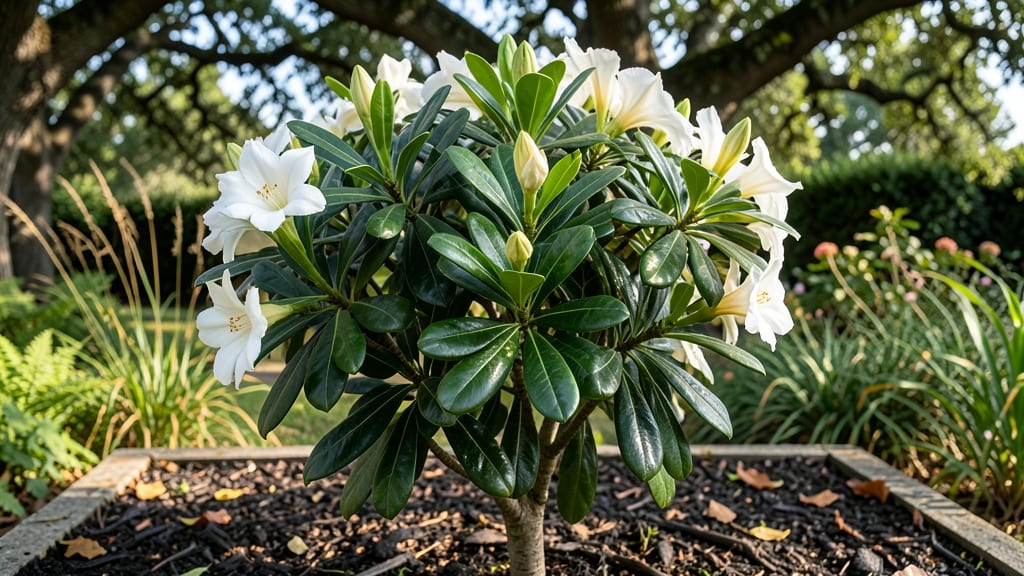
Gardenias grow between 3 and 6 feet tall at maturity, depending on the variety and growing conditions — a range that makes them perfect for both foundation plantings and container gardens.
If you’re dreaming of fragrant gardenias but unsure whether they’ll fit your garden’s height requirements, you’re not alone. These tropical beauties come in surprising sizes, from compact shrubs like Gardenia jasminoides ‘Kleim’s Hardy’ to towering 6-foot varieties like Gardenia augusta.
The right placement and pruning can even keep them smaller or encourage them to grow taller, so size is far more flexible than most gardeners realize.
Below, I’ll break down the height ranges for the most popular gardenia varieties, the factors that influence their growth (like sunlight, soil pH, and pruning), and how to shape them to fit your space — whether you want a bushy 2-foot accent plant or a tall 6-foot statement shrub.
You’ll also discover when and how to prune for optimal blooms, how to troubleshoot slow growth, and which varieties stay compact if you’re working with limited space. By the end, you’ll know exactly how to get the gardenia size you want — without sacrificing those intoxicating flowers.

Gardenia height by variety: from dwarf to tree-size plants
When planning your garden’s layout, knowing how tall gardenias get helps you choose the perfect variety for your space. Gardenias range from dwarf shrubs under 3 feet to tree-like varieties reaching 12 feet, depending on the species and growing conditions.
Whether you’re designing a fragrant hedge or a dramatic focal point, selecting the right gardenia height ensures your vision comes to life.
Most gardenias belong to the Gardenia jasminoides species, prized for their creamy white flowers and intoxicating scent. However, their mature sizes vary dramatically.
For example, the ‘Kleim’s Hardy’ gardenia stays compact at 3–4 feet tall, making it ideal for containers or small gardens, while ‘Radicans’ gardenia can grow into a 10–12-foot tree with proper care. Understanding these differences helps you avoid planting a towering specimen where a dwarf variety would fit better.
Below is a detailed breakdown of popular gardenia varieties, their mature heights, and the ideal growing conditions to maximize their growth potential. This guide also includes USDA zone compatibility and sunlight needs to help you choose the best fit for your climate and garden style.
🌸
The ‘Kleim’s Hardy’ gardenia is a top choice for gardeners in USDA zones 6–9, thanks to its cold tolerance and manageable 3–4-foot height. This variety thrives in partial shade, making it perfect for shaded patios or under trees.
Its compact size also makes it ideal for container gardening, allowing you to move it to enjoy its fragrance on decks or balconies.
For those in warmer climates (zones 10–11), the ‘Radicans’ gardenia offers a dramatic statement with its 10–12-foot height. This variety can become a small tree, providing year-round interest with its glossy leaves and scented blooms.
Plant it as a focal point in your garden or near seating areas to enjoy its intoxicating aroma. Just ensure it gets full sun to partial shade to reach its full potential.
If you’re aiming for a medium-height gardenia that’s versatile for hedges or borders, ‘Veitchii’ is an excellent pick. Growing 6–8 feet tall, it’s well-suited for USDA zones 10–11 and thrives in partial shade.
Its dense growth habit makes it ideal for creating privacy screens or defining property lines. Prune it lightly in late winter to maintain its shape and encourage bushier growth.
For gardeners in zones 9–11 who want a fragrant
How to control gardenia height: pruning techniques for bushier or taller growth
Pruning your gardenia isn’t just about keeping it neat—it’s the secret to controlling its height and encouraging lush blooms. Whether you want a compact bush or a taller statement plant, timing and technique matter.
I’ve learned that pruning at the wrong time can actually stunt growth or reduce flowering, so let’s dive into the best methods to shape your gardenia without sacrificing its beauty.
Before you grab your shears, know that gardenias respond best to light pruning—they’re not as forgiving as some shrubs. The goal is to shape without stressing the plant.
For bushier growth, focus on pruning just above leaf nodes, while for taller growth, you’ll want to trim selectively to encourage upward energy. Let’s break down the steps to get your gardenia to the perfect height for your space.
- 1 Choose the right time: Prune after flowering in late spring or early summer to avoid cutting off next year’s blooms. Never prune in fall or winter, as this can damage new growth.
- 2 Gather your tools: Use clean, sharp pruners (sterilized with rubbing alcohol) and gloves to protect from sap. Avoid dull tools, which can tear stems and invite disease.
- 3 For bushier growth: Trim just above a leaf node (where leaves meet the stem) to encourage new side branches. Cut at a 45-degree angle to prevent water pooling.
- 4 For taller growth: Remove lower branches to redirect energy upward. Focus on selective pruning—never cut more than 1/3 of the plant at once to avoid shock.
- 5 Deadhead spent blooms: Snip off wilted flowers regularly to encourage new blooms and maintain a tidy appearance. This also prevents the plant from wasting energy on seed production.
- 6 Avoid these mistakes: Never prune new growth in spring (this can kill blooms) or over-prune (which stresses the plant). Also, don’t prune in wet weather, as this can spread disease.
One of the most common mistakes I see is pruning gardenias in fall or winter. This timing can delay spring blooming or even kill tender new growth.
Instead, wait until after the first flush of flowers in late spring to give your plant time to recover and prepare for next year’s blooms.
If you’re growing a dwarf variety, like ‘Kleim’s Hardy’, you’ll want to prune lightly to maintain its 2–3 foot height, while larger varieties like ‘Radicans’ can handle more aggressive shaping to reach 6 feet or taller.
After pruning, give your gardenia some extra care to help it recover. Water deeply but infrequently to encourage strong root growth, and apply a balanced fertilizer (like 10-10-10) to support new growth.
Avoid heavy fertilizing right after pruning, as this can burn tender new shoots. Instead, wait 2–3 weeks to let the plant adjust before feeding.
If your gardenia starts looking leggy or sparse after pruning, it might be a sign of over-pruning or poor growing conditions.
In this case, focus on light maintenance pruning in the following seasons and ensure it’s getting enough sunlight (4–6 hours of morning sun) and well-draining, acidic soil (pH 5.0–6.0). With the right care, your gardenia will bounce back and thrive at your desired height.
Remember, gardenias are slow growers, so patience is key. If you’re aiming for a specific height, like 4 feet, it might take 2–3 years of gentle pruning to achieve that look.
The key is consistency—prune annually at the right time, and your gardenia will reward you with fragrant blooms and perfect proportions. Happy pruning!