
Fertilization
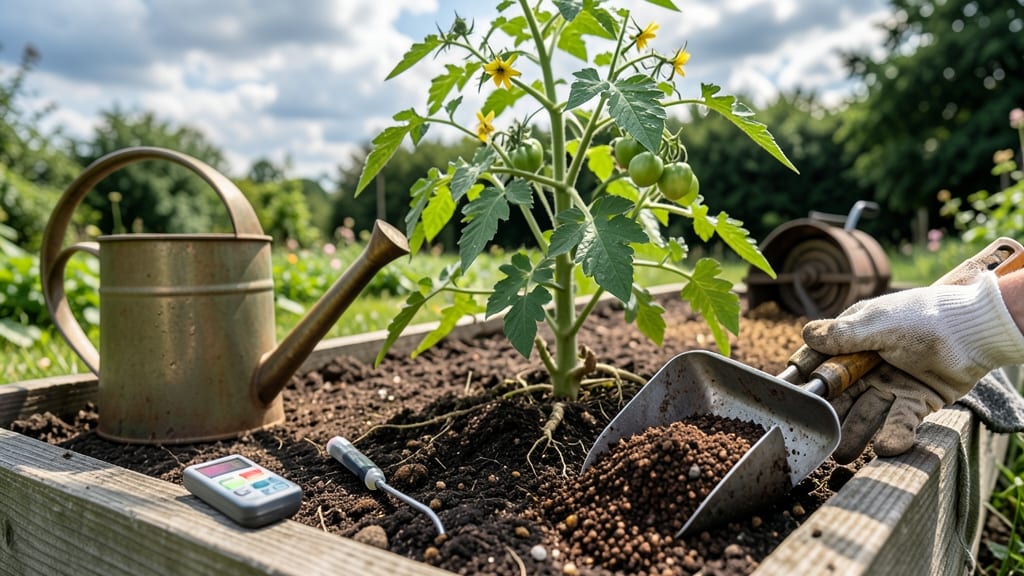
You should fertilize your garden every 4 to 6 weeks during the active growing season to keep your 🌱 thriving without overdoing it.
Over-fertilizing can burn roots and waste money, while under-fertilizing leaves plants hungry and stunted. The key is matching your schedule to plant types—leafy greens need more frequent feeding than flowering plants—and adjusting for seasonal changes.
Whether you’re growing vegetables, flowers, or lawns, the right timing makes all the difference. Below, I’ll break down the best feeding schedule for each plant category, plus how to spot when your garden is begging for nutrients—or when it’s had enough.
Ready to feed your plants the right way? You’ll learn how to read their signals, choose the best fertilizer, and keep your garden lush without the guesswork.

Fertilizing frequency by plant type: vegetables vs. flowers vs. fruits
Not all plants crave fertilizer the same way—what works for leafy greens might burn delicate flowers, while fruit-bearing plants need a completely different nutrient profile. Understanding these differences saves you time, money, and the heartache of wasted plants.
Let’s break down the science behind fertilizing vegetables, flowers, and fruits so you can tailor your schedule like a pro.
Vegetables, especially leafy greens and heavy producers like tomatoes, thrive on nitrogen-rich fertilizers to fuel rapid growth. Flowers, on the other hand, need phosphorus to bloom beautifully, while fruits depend on potassium for sweetness and disease resistance.
Ignoring these needs can lead to stunted growth, poor yields, or even plant death. The key? A soil test to know your baseline before making decisions.
Soil tests reveal your garden’s current nutrient levels, helping you avoid over- or under-fertilizing. For example, if your soil is already high in nitrogen, you’ll want to skip the heavy feed for vegetables and opt for a balanced formula instead. Let’s dive into the ideal fertilization schedules for each plant type.
Vegetables like tomatoes and peppers are heavy feeders and benefit from frequent, nitrogen-rich fertilizers every 2-3 weeks. Use a balanced 10-10-10 fertilizer at planting, then switch to a 20-10-10 formula to encourage leafy growth.
For leafy greens like lettuce and spinach, a light feeding every 3 weeks prevents bitter flavors and bolting.
Flowers, including roses and petunias, need phosphorus to produce vibrant blooms. A 5-10-5 fertilizer applied every 4-6 weeks keeps them flowering all season. Avoid over-fertilizing in late summer, as this can lead to weak stems and fewer blooms.
Instead, use a low-nitrogen formula to encourage root development for next year.
Fruit-bearing plants, such as berries and citrus trees, rely on potassium for disease resistance and sweetness.
Apply a 5-5-10 fertilizer in early spring and again in mid-summer to support fruit development. Wood ash, a natural potassium source, can also be sprinkled around the base of plants in fall to prepare for winter.
Herbs like basil and mint don’t need heavy feeding but benefit from a light, balanced fertilizer every 4-5 weeks. Over-fertilizing can lead to bitter flavors and excessive leaf growth at the expense of flavorful foliage. Instead, focus on compost-rich soil and moderate watering to keep herbs thriving.
Always adjust your fertilization schedule based on soil test results and plant responses. If your tomatoes are growing leaves but no fruit, they may need more phosphorus. If your roses are wilting despite regular watering
Seasonal fertilization schedule: when to feed for peak growth
Timing your garden's fertilization schedule is just as crucial as choosing the right nutrients. Plants grow at different rates through the seasons, and feeding them at the wrong time can waste resources or even harm their health.
For temperate climates, the growing season typically spans from spring to fall, with adjustments needed for tropical regions where growth is year-round.
In spring, focus on kickstarting growth with a balanced fertilizer at planting time. Summer demands more frequent feeding, while fall should taper off to prepare plants for dormancy. Tropical gardens, however, may require a year-round schedule with lighter applications during rainy seasons to prevent nutrient runoff.
| Season | Timing | Frequency | Fertilizer Type | Notes |
|---|---|---|---|---|
| Spring | Pre-planting & early growth | Every 4-6 weeks | Balanced (10-10-10) | Start at planting |
| Summer | Mid-season growth | Every 3-4 weeks | High-nitrogen (for veggies) or phosphorus (for flowers) | Increase for heavy feeders |
| Fall | Late growth & harvest | Every 6-8 weeks | Balanced or potassium-rich | Reduce before frost |
| Winter (Temperate) | Dormant season | None | N/A | Avoid feeding |
| Year-Round (Tropical) | Monthly | Every 4-6 weeks | Slow-release organic | Adjust for monsoon season |
For spring planting, apply a balanced fertilizer like 10-10-10 at half-strength when transplanting seedlings or sowing seeds. This gives roots a gentle boost without overwhelming tender new growth. In summer, switch to a high-nitrogen fertilizer for leafy greens or phosphorus-rich options for flowering plants like tomatoes and roses.
As fall approaches, reduce feeding frequency but maintain a potassium-rich fertilizer to strengthen roots and improve cold hardiness. In tropical climates, where seasons are less defined, use a slow-release organic fertilizer every 4-6 weeks to maintain steady nutrient levels without overloading the soil.
Always water your plants deeply after fertilizing to help nutrients reach the roots. Avoid feeding during extreme heat or drought conditions, as plants will struggle to absorb nutrients efficiently. Instead, focus on watering and mulching to protect roots.
Monitor your garden's response to fertilization by observing leaf color, growth rate, and overall plant vigor. Adjust your schedule based on what you see—more growth may mean it's time for another feeding, while burnt edges signal you've overdone it.
With this seasonal approach, your garden will thrive year after year! 🌱