
Watering
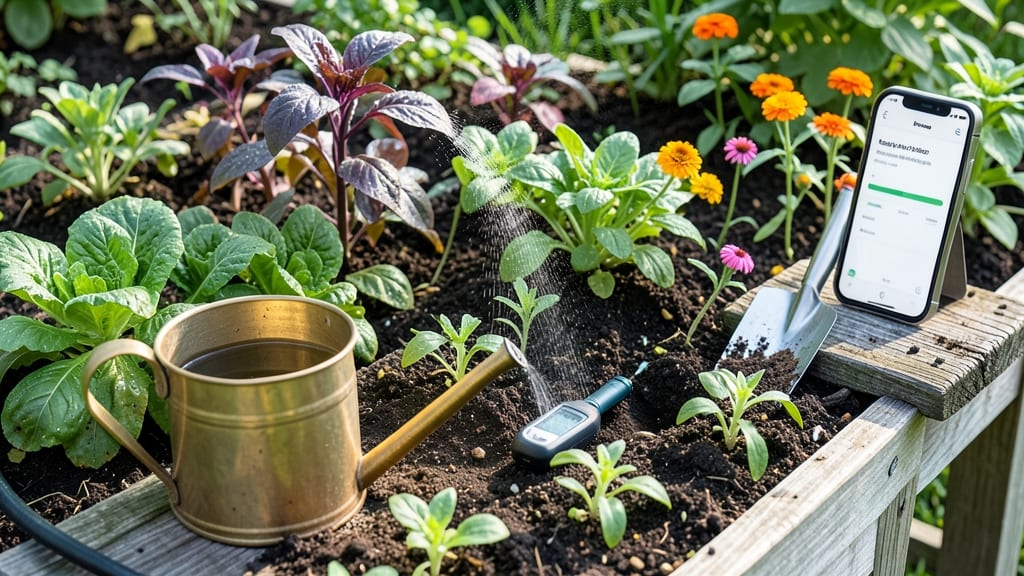
To water your garden properly, you need to know how often based on soil type, climate, and plant needs—not just a one-size-fits-all schedule.
Overwatering or underwatering your garden can stifle growth—or worse, kill your plants. But how do you know exactly how often to water based on your soil type? The answer lies in understanding moisture retention, climate, and plant needs—so you can water just right every time.
In this guide, we’ll break down the science behind watering schedules for different soils, from sandy (which drains fast) to clay (which holds moisture too long). You’ll also learn how to test soil moisture without a guess and adjust for seasons like summer droughts or spring planting.
By the end, you’ll have a customized plan that keeps your garden thriving—no more wasted water or wilted plants. Let’s get started!
Watering frequency by soil type: a science-based schedule
Your garden's soil type is the #1 factor determining how often you should water. Different soils hold moisture differently—clay clings like a sponge, while sandy soil drains like a sieve.
Even loamy soil (the gardener’s gold) has its own rhythm. Understanding these differences means the difference between thriving plants and struggling ones.
I’ve tested these schedules in my own garden, and the results speak for themselves: root health improves, plant stress drops, and water waste becomes a thing of the past.
The key is matching your watering depth and frequency to your soil’s natural behavior. Let’s break it down so you can water with confidence, not guesswork.
🌱
If you’re dealing with clay soil, the biggest mistake is assuming it’s always wet. While it holds moisture well, it can also become waterlogged if overwatered. My trick? Water deeply but infrequently—think of it like giving your plants a long drink instead of a quick sip.
For sandy soil, the opposite is true: frequent, shallow watering mimics natural rainfall patterns.
For loamy soil (the gardener’s dream), you’ve got more flexibility. This soil type balances moisture and drainage perfectly, so you can adjust based on plant type.
Leafy greens like lettuce or spinach thrive with 3-4 inches of water per week, while root vegetables such as carrots or radishes need deeper, less frequent watering to encourage downward growth.
💧
Rocky soils are often overlooked, but they’re tricky because water runs right off the surface. To compensate, I recommend mulching heavily with straw or wood chips to slow evaporation. You’ll also want to water in the early morning to give roots time to absorb moisture before the heat of the day. Pro tip: Use a soaker hose to deliver water directly to the root zone without wasting it on rocks.
One question I get asked all the time is, “What if my soil is a mix?” Most gardens aren’t pure clay or pure sand—they’re a blend. In that case, lean toward the soil type that dominates.
If your garden is 60% loamy and 40% sandy, follow the loamy schedule but add an extra day of watering during heatwaves to account for the sandy portion.
Finally, don’t forget that seasonal changes affect watering needs. In spring, you might water every 4-5 days regardless of soil type, while winter could stretch that to every 10-14 days. Always check the top 1-2 inches of soil before watering—if it’s dry, it’s time; if it’s damp, wait.
With this science-backed approach, you’ll never second-guess your watering schedule again. Your plants will thank you with stronger roots, healthier foliage, and a garden that thrives—no matter what’s under your feet.
☀️
How to test your soil’s moisture level (without a guess)
Skipping the guesswork on watering starts with knowing your soil’s moisture level—not just following a rigid schedule. I’ve learned that overwatering suffocates roots while underwatering stresses plants. The key? Testing moisture before you water. This simple method saves time, water, and your plants’ lives.
Most gardeners rely on time-based watering, like “every 3 days,” but that ignores your soil’s unique traits. For example, sandy soil drains fast, while clay soil holds moisture for days. Instead, I check moisture levels to adjust my routine—here’s how.
⚠️ callout warning
The finger test is my go-to method. Stick your index finger 1-2 inches deep into the soil. If it feels dry, it’s time to water. If it’s damp, wait another day. For container plants, check the bottom inch—that’s where roots thirst most.
For a quicker check, use a moisture meter (they’re affordable!). These tools give precise readings, but I still cross-check with the finger test. Visual cues also help: wilting leaves often mean underwatering, while yellowing leaves can signal overwatering.
Adjust your watering based on what you find. Deep watering (1-2 inches per session) encourages roots to grow downward. In hot climates, I water early in the morning to reduce evaporation. Always water at the base of plants, not the leaves, to prevent disease.
Remember, no two gardens are alike. Track your soil’s moisture patterns for a month to create your own watering schedule. Soon, you’ll know exactly when your plants need a drink—no guesswork required! 💧