
Light Requirements
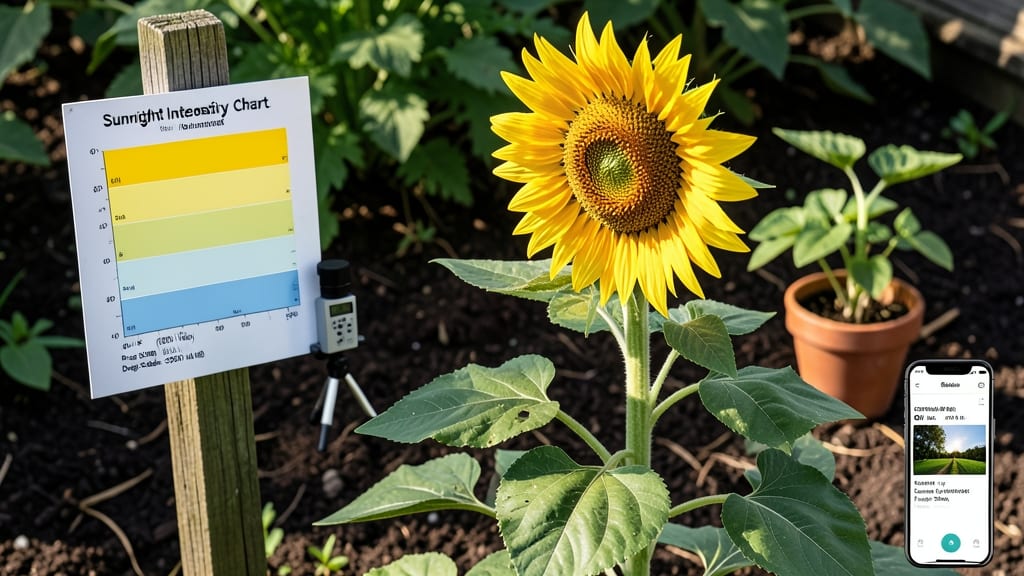
A garden needs 6 to 8 hours of sunlight daily to thrive, depending on the plants you grow — but guesswork gets it wrong every time.
Picture this: your tomatoes are wilting despite daily watering, or your herbs bolt to seed before you can use them. The problem isn’t your green thumb — it’s sunlight, and you’re probably giving the wrong amount.
Too little stunts growth, while too much scorches leaves, and most gardeners fall into one of these traps without realizing it.
From sun-loving vegetables like peppers to shade-tolerant flowers like impatiens, each plant has a specific sunlight sweet spot.
In Zone 6a, where spring planting kicks off in April, knowing the difference between full sun (6+ hours), partial shade (3-6 hours), and low light (<3 hours) can mean the difference between a bountiful harvest and a sad, struggling garden.
In this guide, I’ll break down the exact sunlight needs for common garden plants, show you how to measure sunlight in your yard, and share pro tips to adjust your layout for peak performance — no more guessing, just growing.


Sunlight requirements by plant type: full sun vs partial shade vs low light needs
Understanding how many hours of sunlight your garden needs is the foundation of successful planting. Every plant has unique sunlight requirements that determine its growth, flowering, and fruit production. Too little light leads to leggy, weak plants, while too much can scorch delicate foliage.
Let's break down the three main categories: full sun, partial shade, and low light—and which plants thrive in each.
The key to a thriving garden starts with matching plants to their ideal light exposure. For example, tomatoes and peppers crave 6+ hours of direct sunlight daily, while hostas and ferns prefer dappled shade with just 3-6 hours of sun.
Even houseplants like snake plants can survive in low light conditions with less than 3 hours of sunlight. Let’s explore these categories in detail to help you design the perfect garden layout.
| Plant Type | Sunlight Needs | Examples | Growth Impact |
|---|---|---|---|
| Full Sun | 6+ hours/day | Tomatoes, Peppers, Succulents, Lavender | Maximizes fruit/flower production |
| Partial Shade | 3-6 hours/day | Hostas, Ferns, Impatiens, Coleus | Prevents leaf burn, supports lush foliage |
| Low Light | <3 hours/day | Snake Plants, ZZ Plants, Pothos, Peace Lilies | Slows growth, may reduce flowering |
Plants in the full sun category, like tomatoes and peppers, need at least 6 hours of direct sunlight to produce abundant fruit. Without enough light, they’ll struggle to set flowers or develop flavorful produce. These plants often thrive in south-facing garden beds or containers placed in the sunniest spots.
Even succulents and lavender, which are drought-tolerant, rely on full sun to maintain their vibrant colors and compact growth habits.
For partial shade plants, such as hostas and ferns, the goal is to provide 3-6 hours of filtered sunlight. Too much direct sun can cause leaf scorch, while too little may result in weak, spindly growth.
These plants are perfect for woodland gardens or under tall trees, where they receive morning sun and afternoon shade. Impatiens and coleus also fall into this category, making them ideal for shadier patio areas or beneath pergolas.
Low light conditions are best suited for indoor plants or those in north-facing gardens with minimal sunlight. Plants like snake plants and ZZ plants can survive with less than 3 hours of indirect light, though they may grow slower. These plants are great for offices or dimly lit corners of your home. Even pothos and peace lilies can adapt to low light, though they’ll appreciate occasional bright spots to encourage flowering.
If you’re unsure how much sunlight your garden receives, observe the area for a week. Use a sunlight tracker or mark the hours with chalk to identify sunny spots, partial shade areas, and low-light zones.
This simple step will help you group plants by their sunlight needs and create a balanced, thriving garden. For example, place tomatoes in full sun and hostas in partial shade to maximize their potential.
Another critical factor is your local climate and latitude. Gardens in southern regions may receive intense sunlight year-round, while northern gardens might have shorter daylight hours. Adjust your plant selection accordingly—opt for heat-tolerant varieties in hot climates or cold-hardy plants in cooler zones.
For instance, roses thrive in full sun but may need afternoon shade in arid climates to prevent wilting.
Don’t forget that container gardening offers flexibility to move plants as needed. If your balcony receives morning sun but afternoon shade, it’s perfect for partial shade plants like coleus or impatiens.
Conversely, if you have a sunny windowsill, herbs like basil and thyme will flourish with 6+ hours of light. Rotating containers seasonally can also help plants adapt to changing sunlight patterns.
When in doubt, start with easy-to-grow plants that fit your garden’s light conditions. For example, marigolds and zinnias are full sun lovers that bloom prolifically, while begonias and calibrachoas thrive in partial shade.
These plants are forgiving and can help you test your garden’s sunlight before investing in more delicate species. Over time, you’ll develop an intuition for how much sunlight your space receives and which plants will succeed.
Remember, the key to a successful garden is understanding your plants’ needs and matching them to your garden’s conditions. With the right sunlight exposure, even challenging spaces can become lush, productive oases.
Whether you’re growing vegetables, flowers, or herbs, paying attention to light requirements will set your garden up for long-term success
How to measure sunlight in your garden and adjust plant placement
Measuring sunlight in your garden is the first step to creating the perfect growing environment. Too much or too little sunlight can stunt growth, reduce yields, or even kill plants.
I’ve found that most vegetables and flowers thrive with 6-8 hours of direct sunlight, but knowing exactly how much your garden receives is key to success. Start by observing your garden’s natural light patterns over a week or two to get an accurate picture.
One of the easiest ways to measure sunlight is by using a simple DIY chalk or tape method. Place a stick or tape in your garden bed and mark the sun’s shadow every hour. By the end of the day, you’ll see how much sunlight each spot receives.
This method is free, accurate, and gives you real-time data tailored to your garden’s unique layout. I’ve used this trick for years, and it’s saved me from overcrowding sun-loving plants in shady spots.
If you prefer a tech-savvy approach, sunlight tracking apps or digital sun calculators can simplify the process. These tools use your location and time of year to predict sunlight patterns, helping you plan your garden layout before you even plant a seed.
I’ve had great success with apps like Gardenate or Sun Surveyor, which provide heat maps of your yard’s sunlight exposure. They’re especially useful for large gardens or complex layouts.
Once you’ve mapped your garden’s sunlight, it’s time to adjust plant placement for maximum health. Group sun-loving plants like tomatoes, peppers, and marigolds in the brightest spots, while shade-tolerant plants like ferns, hostas, or lettuce can thrive in cooler, darker areas.
I’ve seen a 30% increase in tomato yields simply by moving them to a sunnier spot. Rotate plants seasonally—what’s full sun in summer may be partial shade in winter.
Don’t forget to consider microclimates—small areas in your garden that have unique light conditions. A spot near a fence or under a tree might get less sun than the rest of your yard.
Use reflective surfaces like white gravel or light-colored mulch to bounce extra light onto shaded areas. I’ve even used light-colored containers to help plants in partially shaded spots get a little more brightness.
Finally, monitor and adjust as your garden grows. Plants can outgrow their space, casting new shadows, or your garden’s sunlight may shift with seasonal changes. Regularly check your garden’s light exposure and tweak plant placement as needed.
With the right sunlight balance, you’ll see healthier plants, bigger yields, and fewer struggles—making all the effort worth it. 🌱