
Blooming
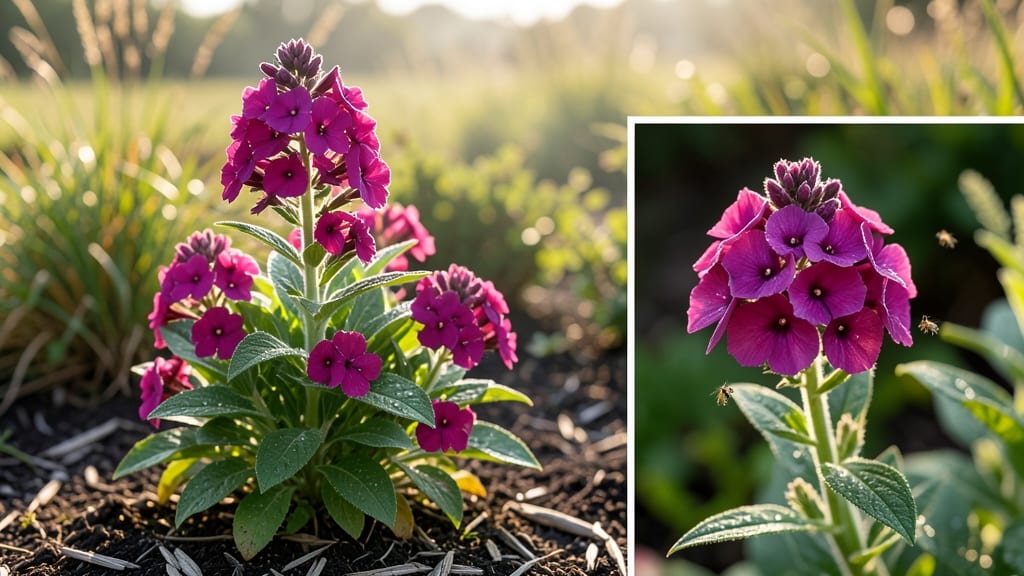
Garden phlox bloom for 4 to 8 weeks total, with vibrant peak color lasting 3 to 6 weeks depending on the variety, your local climate, and how well you care for them. Early bloomers kick off in late spring, while late-season types can keep flowering well into early fall.
Phlox are famous for their long-lasting floral displays, but the exact timing depends on whether you've planted early, mid, or late-season varieties. 🌸 The key to maximizing bloom duration lies in choosing the right cultivar—some like 'David' bloom for nearly two months straight, while others might only shine for four weeks.
I've found that deadheading spent blooms consistently can add an extra 2-3 weeks to the show by encouraging new flower production.
Your growing conditions play a huge role too. Phlox thrive in cool weather and need consistent moisture to perform at their best. In hotter climates, they might fade faster unless you provide afternoon shade or extra water.
The right soil pH (around 6.0-7.0) also helps maintain that vibrant color longer—something many gardeners overlook until their phlox start looking dull.
💡 In This Article
- Factors Influencing Garden Phlox Bloom Duration
- Best Practices to Extend Phlox Flowering Season
Factors influencing garden phlox bloom duration
Garden phlox bloom duration is primarily controlled by genetics, with early varieties like 'Blue Paradise' typically flowering for 4-6 weeks starting in late May, while late bloomers such as 'David' can extend their show to 7-8 weeks through July.
The key difference lies in their natural photoperiod sensitivity—early cultivars respond to increasing daylight earlier in spring, while late types delay flowering until temperatures cool slightly after summer's peak. 💫
Sunlight exposure directly impacts bloom length, with phlox needing 6-8 hours of direct sun daily for optimal flowering. Too much shade can reduce bloom time by 20-30%, while excessive afternoon sun in hot climates may cause buds to drop prematurely.
The ideal balance is morning sun with afternoon shade in zones 7 and above. Soil moisture plays an equally critical role—consistent dampness (but not soggy conditions) maintains vibrant blooms, while drought stress can cut flowering time by nearly half.
Temperature zones create dramatic variations in bloom duration. In cooler northern climates (zones 3-5), phlox often bloom 1-2 weeks longer than in southern regions because the cooler nights preserve flower buds better. Heatwaves above 90°F can trigger premature bud drop, while consistent temperatures between 65-75°F optimize bloom length.
This is why gardeners in zone 6 often see the longest displays—cool nights preserve buds while daytime warmth fuels growth.
Pruning techniques significantly influence bloom duration through their impact on energy allocation. Cutting back phlox by one-third after the first flush encourages a second bloom cycle, potentially adding 2-4 weeks to the total flowering period.
However, improper pruning (cutting too late or too aggressively) can stimulate leaf growth at the expense of flowers. The sweet spot is trimming in early summer when 20-30% of stems have finished blooming but before seed heads form.
Soil pH and fertility also create subtle but important differences. Phlox prefer slightly acidic to neutral soil (pH 6.0-7.0), where they absorb nutrients more efficiently. In alkaline soils (pH 7.5+), iron deficiency can cause yellowing leaves that reduce flowering by 15-25%.
A balanced fertilizer with 10-10-10 ratio applied in early spring provides the nitrogen for foliage while supporting bloom production, though excessive nitrogen promotes leafy growth at the expense of flowers.