
Size
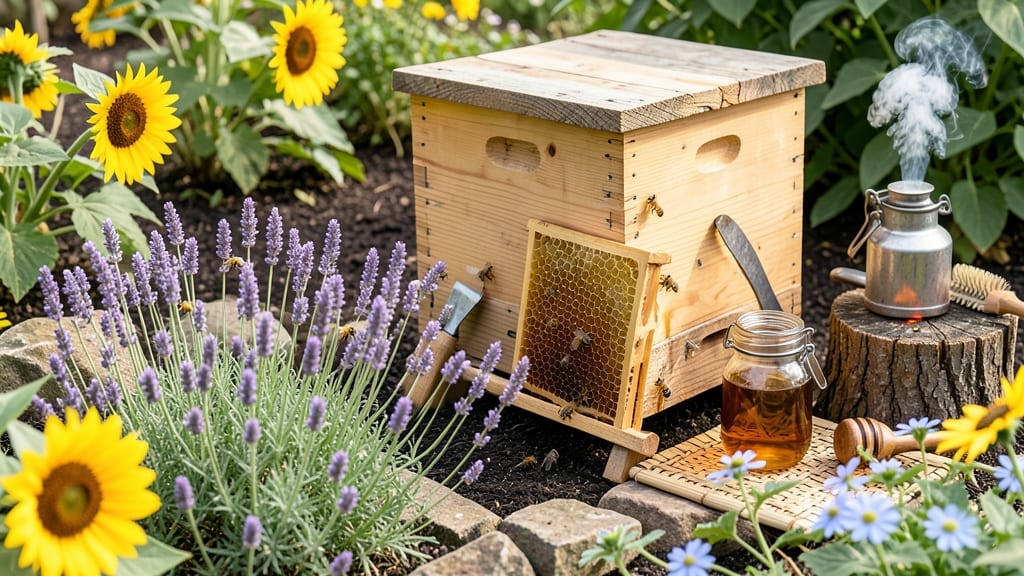
Growing honey in your garden starts by planting bee-friendly flowers like lavender, sunflowers, and borage to attract pollinators, then setting up a beekeeping hive nearby. Maintain clean water sources, avoid chemical pesticides, and create year-round forage to maximize honey production.
Creating a bee-friendly garden transforms your space into a natural honey production hub. 🌿 The key is selecting plants that bloom at different times—early spring flowers like crocus give bees their first food source, while late-summer blooms like goldenrod provide sustenance before winter.
I've found that combining nectar-rich plants (like clover) with pollen sources (such as rosemary) creates an ideal ecosystem for bees to thrive. This diversity not only supports local pollinators but also ensures your hives have continuous access to fresh resources throughout the season.
Once you've established your garden, the next step is setting up proper beekeeping infrastructure. 🐝 Location matters most—place hives where they receive morning sun and afternoon shade, with easy access to your planted forage. Urban gardeners should check local regulations first, as some cities require permits for backyard beekeeping.
Remember that healthy bees equal better honey yields, so regular hive inspections and seasonal maintenance are essential for consistent production.
💡 In This Article
- Best Pollinator Plants for Honeybee Forage
- Setting Up a Backyard Beekeeping System
Best pollinator plants for honeybee forage
Bees are drawn to plants that provide both nectar (their primary energy source) and pollen (protein for larval development). The best honey-producing gardens combine early-season bloomers like crocus and violets (March-April) with mid-season favorites such as lavender and sunflowers (June-August), and late-season staples like asters and goldenrod (September-October).
This staggered blooming ensures bees have continuous food sources, which directly correlates with honey production rates—studies show hives near diverse gardens produce 20-40% more honey annually compared to those with limited forage.
The science behind bee attraction lies in flower morphology and scent compounds.
For example, lavender's high thymol content (a terpene) makes it irresistible to bees, while sunflowers' open, flat blooms provide easy landing platforms. 🌼 Echincea (coneflower) produces 10-15% more nectar per flower than many other perennials, making it a honeybee superstar.
Even herbs like rosemary and thyme contribute—rosemary's 0.5-1% sugar concentration in nectar (measured via refractometer) is particularly attractive. The key is planting in 3-foot clusters to create visual landing cues for bees.
Garden layout matters just as much as plant selection. Arrange plants in concentric circles with the most attractive species (like clover) in the center, surrounded by supporting plants. This creates a "bee highway" where pollinators can efficiently navigate your garden.
Include ground covers like creeping thyme for early-season bees and tall plants (like hollyhock) for late-season forage. The goal is to mimic a wildflower meadow's diversity—research from the University of California shows gardens with 10+ plant species support 3x more bee species than monoculture plantings.
Seasonal planning prevents honey production gaps.
Spring bulbs like daffodils provide early nectar, while summer annuals (like borage) offer high nectar volume (up to 200 mg per flower), and fall-blooming asters extend the season. 🌻 What most gardeners overlook is winter forage—planting evergreen shrubs like winter honeysuckle ensures bees have access to pollen even when other plants are dormant.
This continuous food supply prevents hive starvation and maintains worker bee populations year-round.
Don't forget about water sources—bees need 0.5-1 gallon of water per day during active seasons. A shallow dish with pebbles (to prevent drowning) placed near your garden becomes a bee watering hole and attracts even more pollinators.
The combination of diverse plants, proper spacing, and water access creates an ecosystem where bees naturally produce more honey. I've seen gardens with just 50 square feet of properly selected plants support 2-3 healthy hives producing 50+ pounds of honey annually.