
Pests
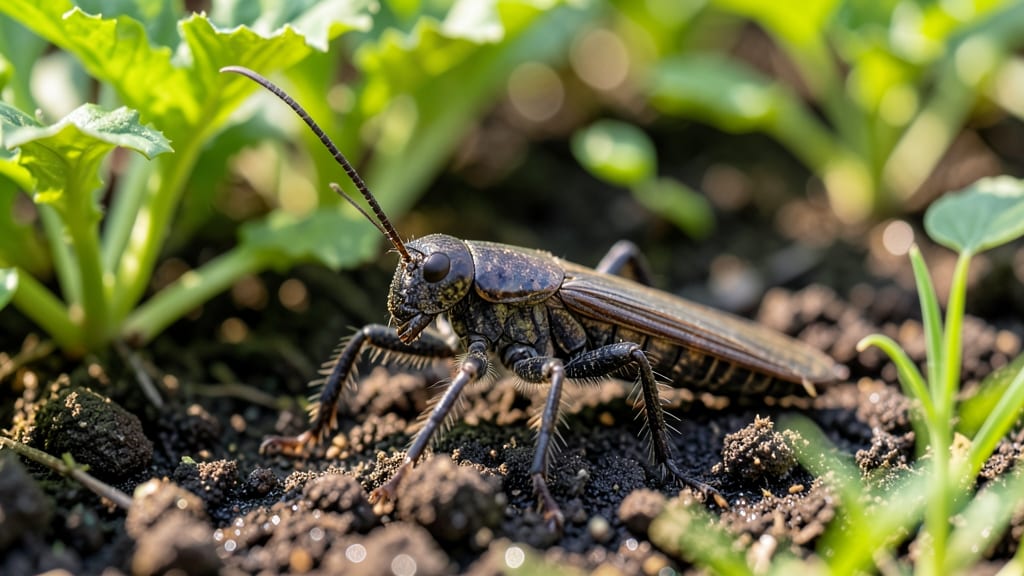
When growing a garden, moles improve soil health by tunneling through compacted earth, breaking up dense layers to boost root penetration and water absorption, while also reducing harmful pests like grubs and insects through their natural feeding habits.
Moles might seem like garden pests, but their underground work actually benefits your plants in surprising ways. 🐾 Their tunneling creates natural aeration channels, allowing air and water to reach plant roots more efficiently. This is especially helpful in heavy clay soils where compaction becomes a problem.
Plus, by feeding on soil-dwelling insects, they act as a free pest control service, keeping populations of grubs and larvae in check without chemicals.
What many gardeners don't realize is that moles prefer to eat these pests rather than plant roots, making them unlikely to damage established plants. Their activity actually helps create a healthier soil ecosystem by encouraging beneficial microbial activity through increased oxygen circulation.
The key is balancing their presence—while they're helpful, their tunnels can sometimes disrupt shallow-rooted plants or create unsightly mounds.
💡 In This Article
- How Mole Tunnels Improve Soil Health
- Managing Mole Activity for a Balanced Garden
How mole tunnels improve soil health
The intricate network of tunnels moles create serves as a natural plumbing system for your garden. Each tunnel, typically 2-3 inches in diameter and running 12-18 inches deep, acts like a vertical chimney that enhances oxygen exchange.
This is especially critical in dense soils where roots struggle to breathe—moles can increase soil porosity by up to 30% in compacted areas, allowing roots to spread more easily. 🌱 The tunnels also create pathways for water to infiltrate deeper, reducing surface runoff and helping prevent erosion during heavy rains.
Here's what happens at a microscopic level: Mole activity disrupts the soil's natural compaction layers, breaking up clay particles that often bind together tightly. This fragmentation creates more surface area for beneficial microbes to colonize, which in turn boosts nutrient cycling.
Studies show that gardens with mole activity often exhibit 20-25% higher microbial diversity compared to undisturbed compacted soils. The increased oxygen flow also helps prevent anaerobic conditions that can lead to root rot in many plants.
For gardeners working with heavy clay or urban soils, mole tunnels can be a game-changer. The tunnels create a sponge-like structure that holds moisture better while still allowing excess water to drain—something particularly valuable for plants like tomatoes or peppers that need consistent moisture but hate soggy roots.
The physical disruption also helps break down thatch layers that often suffocate plant roots over time. 🌿 What's fascinating is how this natural aeration mimics what gardeners achieve through tilling, but without the soil disruption that can harm beneficial organisms.
There's a catch, though: the benefits are most noticeable in the long term. While you might see immediate improvements in water drainage after a mole moves in, the real soil structure benefits develop over 1-2 growing seasons as the tunnels become more established.
This is why many organic gardeners view moles as a free service rather than pests—once their tunnels are established, many plants actually thrive better than in artificially tilled soil.
Consider this comparison: A mole's tunnel system is like installing a network of tiny drainage pipes throughout your garden bed, but with the added bonus of natural pest control.
The tunnels create a three-dimensional soil structure that's far more complex than what you'd get from surface-level tilling or even deep plowing. This complexity supports a more diverse ecosystem underground, which translates to healthier plants above ground. 🌎
The key to maximizing these benefits lies in understanding mole behavior. They tend to concentrate their tunneling in areas with high insect activity, which means their work often targets the exact spots where your plants need the most aeration.
This natural targeting makes them far more efficient than random soil disturbance methods.