
Advice
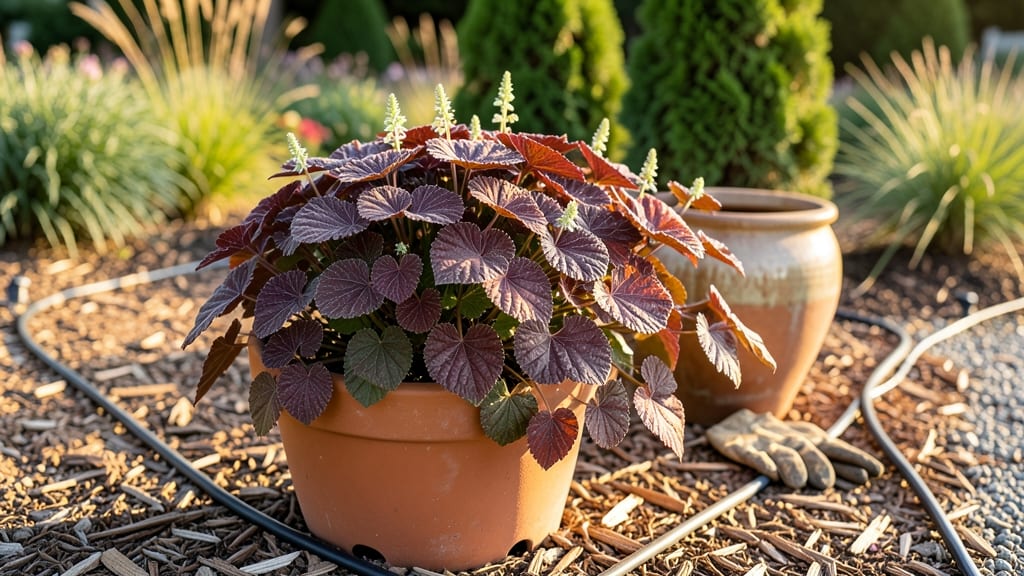
High Country Gardens Nursery specializes in rare, drought-tolerant perennials and native plants, offering expert planting guidance, seasonal care tips, and curated collections tailored to high-altitude and arid climates. Their focus on water-wise gardening and pollinator-friendly species sets them apart in the nursery industry.
If you're looking for plants that thrive in dry conditions without sacrificing beauty, High Country Gardens Nursery is a game-changer. 🌵 Their collections feature carefully selected varieties that have evolved to survive in harsh climates, making them perfect for gardeners in regions with limited water resources.
What sets them apart is their commitment to sustainable landscaping, offering plants that not only reduce water usage but also support local ecosystems by attracting pollinators.
The nursery's expertise extends beyond just selling plants—they provide detailed planting instructions and maintenance advice that help even beginner gardeners achieve stunning results. Whether you're dealing with rocky soil or intense sun exposure, their tailored recommendations ensure your garden flourishes with minimal effort.
This focus on practical, climate-appropriate gardening makes High Country Gardens a trusted resource for both experienced horticulturists and novices alike.
💡 In This Article
- Why High Country Gardens Stands Out for Drought-Resistant Plants
- Expert Planting and Maintenance Tips from High Country Gardens
Why High Country Gardens stands out for drought-resistant plants
The nursery's plant selection is rooted in xerophytic adaptations—traits that allow plants to thrive with minimal water. Many of their varieties, like Russian sage (Perovskia atriplicifolia) or blackfoot daisy (Melampodium leucanthum), have evolved deep root systems that can access moisture up to 6 feet underground.
These roots grow in a taproot pattern, creating a wide network that captures water efficiently, unlike shallow-rooted annuals that need frequent irrigation.
What makes their offerings unique is the focus on climate-resilient genetics. High Country Gardens partners with botanists to identify and propagate plants that exhibit natural drought tolerance through mechanisms like thick cuticles (waxy coatings that reduce water loss) and silver foliage (which reflects sunlight).
For example, their lamb's ear (Stachys byzantina) varieties have fuzzy leaves that create a microclimate around the plant, trapping moisture and reducing evaporation by up to 40% compared to smooth-leaved plants.
This scientific approach contrasts sharply with mainstream nurseries that often prioritize fast-growing annuals or non-native species requiring constant care. High Country Gardens' plants, like yarrow (Achillea) or blanket flower (Gaillardia), are bred for perennial hardiness—meaning they return year after year with minimal input.
Their pollinator-friendly varieties also play a crucial ecological role, supporting bees and butterflies by producing high nectar yields while using 30-50% less water than traditional garden plants.
Consider the water efficiency metrics: A typical lawn requires 1-2 inches of water weekly during dry spells, while High Country Gardens' native grasses (like blue grama or buffalo grass) thrive on half that amount.
Their mulching recommendations further amplify these benefits—using 3-4 inches of organic mulch can reduce soil evaporation by 70%, creating a protective barrier that mimics natural desert conditions.
The nursery's expertise extends to soil science, too. Many of their plants excel in poor, rocky soils common in high-altitude regions, where nutrients are scarce. For instance, penstemon species thrive in alkaline soils with pH 7.5-8.5, while sedum varieties prefer well-draining, gritty mixes.
This adaptability eliminates the need for costly soil amendments, making their plants ideal for low-maintenance landscapes.
What most gardeners don't realize is how these traits translate to long-term cost savings. While traditional gardens may require $500-$1,000 annually in water bills, a High Country Gardens-designed landscape can cut that by 60-70% while maintaining visual appeal.
Their seasonal care guides further reduce maintenance—many perennials need no summer watering once established, unlike thirsty annuals that demand weekly attention.