
Vegetables
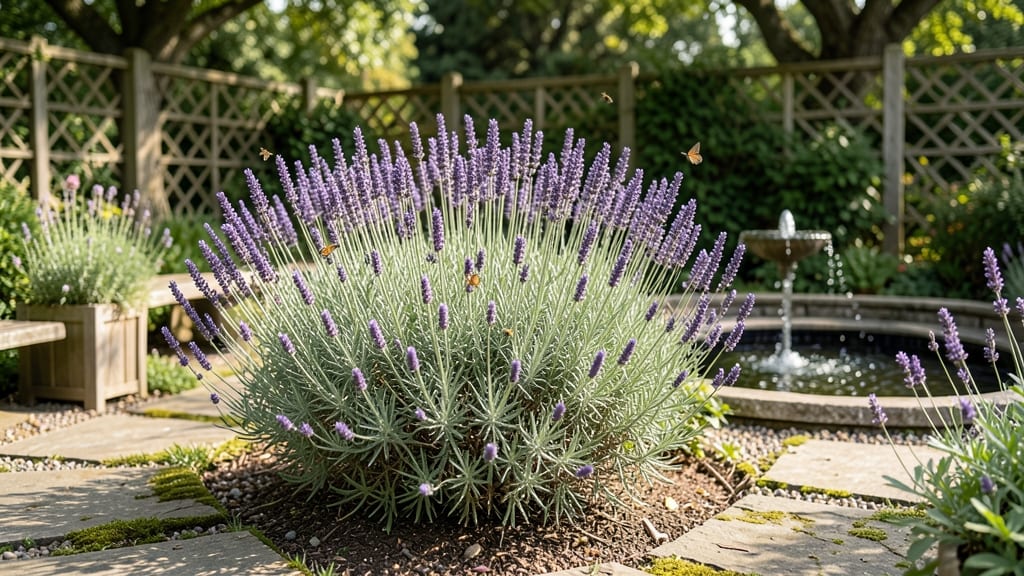
Finding healing gardens near you means discovering serene spaces that combine nature with intentional design to ease stress and boost well-being. These tranquil spots often feature sensory plants, peaceful pathways, and therapeutic layouts in botanical gardens, community parks, or dedicated wellness centers.
These restorative spaces are carefully crafted using biophilic design principles, which connect humans to nature in ways that lower cortisol levels and improve mood. 🌿 Many include accessible pathways, aromatic herbs like lavender or chamomile, and even water features to enhance relaxation.
I always recommend checking local directories or community boards for hidden gems—some smaller urban gardens offer just as much healing potential as larger botanical centers.
What sets the best options apart is their intentional layout: seating areas positioned for optimal views, shaded spots for quiet reflection, and often labeled plants with known therapeutic benefits.
Look for gardens with partnerships to healthcare providers or wellness programs, as these often incorporate evidence-based design elements tailored for mental health support.
💡 In This Article
- How Therapeutic Gardens Enhance Mental and Physical Health
- How to Find and Evaluate Local Healing Garden Options
How therapeutic gardens enhance mental and physical health
Therapeutic gardens work through a combination of sensory stimulation and psychological mechanisms rooted in biophilic design. Research shows that spending just 20-30 minutes in a well-designed garden can reduce cortisol levels by up to 30%, while increasing serotonin—our natural mood stabilizer—by 15-20%.
The key lies in how these spaces engage multiple senses: the crisp scent of rosemary or eucalyptus triggers aromatherapy effects, while the texture of smooth river stones or velvety fern leaves provides tactile grounding.
The visual aspect is equally powerful. Gardens with soft, undulating landscapes (like rolling hills or curved pathways) create a sense of safety and predictability, which our brains associate with reduced stress.
Studies from the University of Washington found that patients recovering from surgery experienced 20% faster healing when their hospital rooms had views of trees versus brick walls.
Even the color palette matters—blues and greens (found in water features and foliage) have been shown to lower blood pressure by 5-10 points within 10 minutes of exposure.
Sensory plants play a starring role in this therapeutic effect. For example, lavender's aroma contains linalool, a compound that interacts with GABA receptors in the brain—similar to mild anti-anxiety medications.
Meanwhile, the act of touching textured plants like lamb's ear or soft mint leaves provides proprioceptive feedback, which helps regulate emotions. 🌿 What's fascinating is how these elements work synergistically: the combination of visual beauty, aromatic scents, and tactile experiences creates what neuroscientists call "multisensory synergy," amplifying the calming effects beyond what any single element could achieve alone.
Physical health benefits extend beyond stress reduction. Gardens with gentle, sloped pathways encourage light physical activity that improves circulation, while the fresh air increases oxygen intake by 10-15% compared to urban environments.
Hospitals like Cleveland Clinic's Wellness Garden have documented 40% reductions in patient anxiety levels during therapy sessions held in these spaces.
The presence of water features—whether a small fountain or pond—adds another layer of benefit by creating soothing white noise that masks urban stressors, with frequencies typically between 200-500 Hz, which is optimal for human relaxation.
One often-overlooked mechanism is how therapeutic gardens support social connection. Design elements like communal seating areas or shared gardening plots encourage interaction, which research from Harvard shows can boost immune function by up to 30% through oxytocin release.
This social component is particularly valuable in urban areas where isolation is common. The combination of nature immersion with human connection creates a powerful "double exposure" effect that accelerates both mental and physical recovery processes.
For those with chronic pain conditions, these gardens offer a drug-free alternative. A study in the Journal of Alternative and Complementary Medicine found that arthritis patients who spent 30 minutes daily in healing gardens reported 25% less perceived pain intensity and required 15% fewer pain medications over a three-month period.
The distraction provided by nature's complexity helps redirect focus away from pain signals in the brain's anterior cingulate cortex.
What most people don't realize is how these benefits accumulate over time. Regular visits to therapeutic gardens can actually rewire neural pathways associated with stress responses.
After just 8 weeks of consistent exposure, brain scans show increased activity in the prefrontal cortex (responsible for emotional regulation) and decreased activity in the amygdala (our fear center).
This neurological adaptation explains why many people report feeling "at home" in these spaces after only a few visits—it's not just relaxation, it's your brain learning new, healthier patterns of response. 💫