
Tools
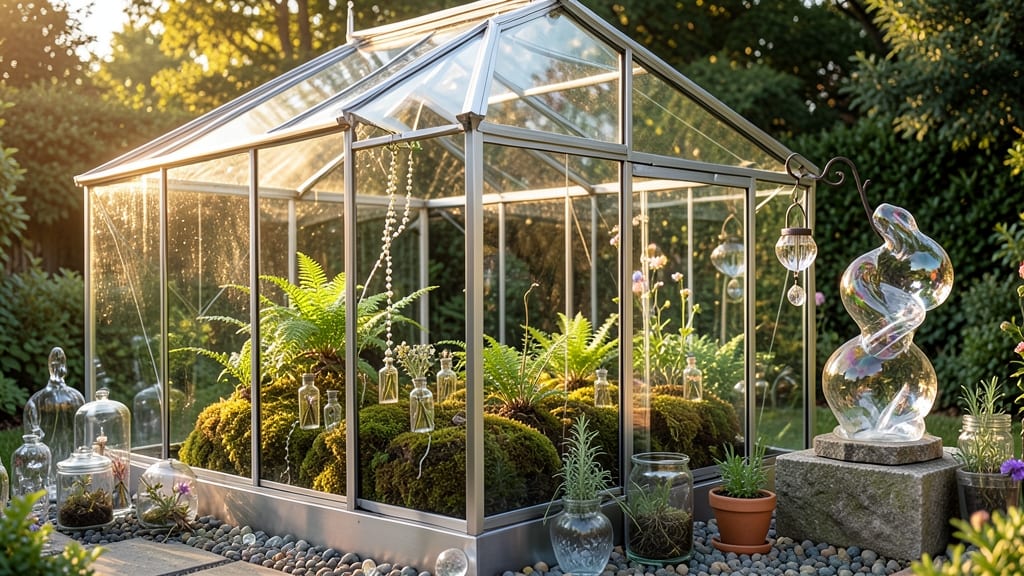
Incorporating glass into garden design enhances both beauty and utility, whether through repurposed bottles as planters or crushed glass as mulch, but demands proper precautions to prevent injuries and environmental risks. Always select tempered or recycled glass and secure it firmly.
Glass transforms outdoor spaces with its reflective properties and artistic potential while serving practical purposes like moisture retention in mulch. 🌿 The key is balancing creativity with safety—broken glass, for example, can act as a natural weed barrier but must be buried deep to avoid sharp edges.
I've seen gardeners use old wine bottles as vertical planters or create mosaic pathways, but always recommend sealing edges with silicone to prevent weather damage.
Beyond aesthetics, glass helps regulate soil temperature and reduces evaporation, making it a smart choice for drought-prone gardens. The trick is starting with thick, UV-resistant materials—thin glass shatters easily under sunlight.
For pet owners, I suggest elevated glass decor or buried pieces to eliminate tripping hazards while still enjoying the visual impact.
💡 In This Article
- Safety Precautions for Garden Glass Decor
- Creative and Functional Glass Garden Projects
Safety precautions for garden glass decor
Glass in garden spaces introduces unique hazards that stem from its physical properties. The primary risk comes from sharp edges—even tempered glass can develop micro-fractures over time from temperature fluctuations or physical stress. These fractures weaken the material, making it 3-5 times more brittle than when new.
Wildlife also poses risks: birds may mistake reflective glass for water sources, leading to collisions, while small animals can get injured on broken pieces left exposed.
UV radiation accelerates glass degradation, causing discoloration and weakening the structure over 1-3 years depending on sunlight exposure. Thin glass (1/8-inch thick or less) is particularly vulnerable, often yellowing and becoming brittle within months.
To mitigate this, always use UV-resistant tempered glass or coat pieces with a clear outdoor sealant. For buried applications like mulch, bury fragments at least 2-3 inches deep to prevent sharp edges from protruding.
Child and pet safety requires proactive measures beyond basic precautions. Install glass decor at least 5 feet above ground level or behind protective barriers like wire mesh.
For ground-level projects, use flexible, shatterproof acrylic as an alternative—it mimics glass's appearance while being 10 times less likely to cause injuries upon impact. Always supervise children near glass projects, as their curiosity often leads to accidental breakage.
Weatherproofing extends the lifespan of glass decor significantly. Heavy rain can cause water to seep into cracks, leading to internal pressure that may cause shattering. Apply a silicone-based waterproof sealant along all edges and joints, especially for containers.
For mosaic projects, use epoxy resin instead of standard adhesive—it bonds glass pieces 50% stronger and resists moisture better. Regularly inspect glass for stress cracks, which appear as spiderweb patterns when viewed against light.
Disposal requires equal caution. Broken glass should never be composted or left in garden beds—even small fragments can persist for decades in soil. Instead, collect pieces in a thick cardboard box lined with newspaper and dispose of them in designated recycling bins.
For large glass installations, consider professional removal services to ensure proper handling and disposal in compliance with local hazardous waste regulations.
Consider these key factors when choosing glass materials for your garden:
- Thickness: Use 1/4-inch or thicker glass for containers to prevent warping from temperature changes
- Type: Tempered glass handles thermal shock 4 times better than annealed glass
- Color: Darker glass absorbs 20-30% more heat, which can benefit heat-sensitive plants
- Sealing: Always use outdoor-grade silicone that remains flexible in -40°F to 180°F ranges