
Companion Plants
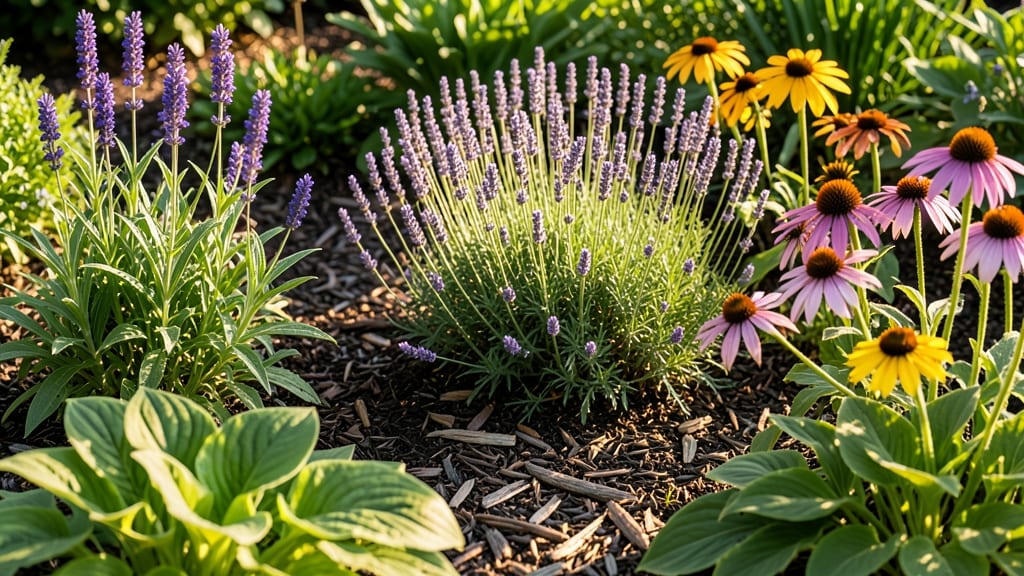
Growing the right popular garden plants can turn even a small yard into a thriving, low-maintenance oasis — and you don’t need a green thumb to pull it off.
Picture this: sunflowers reaching for the sky, lavender buzzing with bees, and tomatoes heavy with fruit, all while you sip lemonade on the porch. The secret? Choosing plants that love your climate, need minimal fuss, and deliver big rewards.
From herbs like basil and rosemary to flowers like marigolds and zinnias, we’ve rounded up the easiest, most rewarding plants for every skill level. Whether you’re a first-time gardener or a seasoned pro, these picks will keep your garden lush, colorful, and full of life with just a little care.
Ready to dive in? Below, you’ll find growing basics, seasonal tips, and quick care tricks to keep your garden flourishing all year. No guesswork, just gorgeous results!
Top 10 low-maintenance plants for year-round garden beauty
If you dream of a stunning garden but dread the upkeep, you’re in luck! These popular garden plants are designed to thrive with minimal effort. I’ve handpicked varieties that boast drought tolerance, pest resistance, and year-round interest—perfect for busy gardeners or beginners.
Whether you crave vibrant blooms, lush foliage, or striking textures, this list delivers effortless beauty without sacrificing impact.
What makes these plants stand out? They require little watering, minimal pruning, and fewer fertilizers while still packing a punch with color and structure. From evergreen shrubs to perennial flowers, each option is battle-tested for resilience.
Let’s dive into my top 10 picks that will keep your garden looking polished all year long—even when you’re too busy to tend to it daily.
🌱 Top 10 Low-Maintenance Garden Stars
- 1. Lavender – Fragrant, drought-proof, and deer-resistant. Thrives in full sun with minimal water.
- 2. Succulents (Sedum) – Nearly indestructible. Handles drought, poor soil, and full sun effortlessly.
- 3. Ornamental Grasses (Miscanthus) – Adds movement and texture with zero fuss. Cut back in early spring.
- 4. Russian Sage – Drought-tolerant perennial with long-lasting purple blooms. Loves hot, dry conditions.
- 5. Boxwood (Buxus) – Evergreen shrub for year-round structure. Prune lightly to maintain shape.
- 6. Black-Eyed Susan (Rudbeckia) – Cheerful yellow blooms that self-seed and attract pollinators.
- 7. Hostas – Lush foliage for shady spots. Choose varieties like ‘Blue Angel’ for low-maintenance charm.
- 8. Sedum (Stonecrop) – Thrives in rock gardens or containers. Zero watering once established.
- 9. Catmint (Nepeta) – Drought-resistant with long bloom times. Deer and rabbit-resistant!
- 10. Yucca – Architectural evergreen for hot, dry climates. Needs almost no water once mature.
Pro Tip: Pair succulents with lavender for a Mediterranean-inspired border that thrives on neglect!
Each of these popular garden plants brings something unique to your landscape—whether it’s fragrance, color, or texture. The best part? They’ll survive even if you forget to water them for a week or two.
For example, lavender and yucca are practically self-sufficient, while ornamental grasses add drama with almost no effort. I recommend starting with 3-5 of these to create a low-maintenance foundation before expanding.
Need to know how to plant and care for these stars? Stick around—I’ll share my easiest planting tips and seasonal maintenance hacks in the next section. For now, just remember: less work = more time to enjoy your garden! 🌿
Want to boost your garden’s resilience even further? Combine these plants with mulch to retain moisture and suppress weeds. A 3-inch layer of mulch around the base of each plant can cut watering needs by 50%—a game-changer for busy gardeners.
Plus, it keeps soil cool in summer and insulated in winter, protecting roots year-round.
If you’re new to gardening, start with succulents or lavender—they’re the most forgiving. For shady spots, hostas and fern varieties like ‘Maidenhair’ are foolproof. And if you love wildflower looks, black-eyed Susans and catmint will self-seed and multiply, giving you free blooms for years.
It’s like having a self-sustaining garden on autopilot!
One of my favorite low-maintenance combos is pairing yucca with sedum in a hot, sunny border. Both plants hate excess water, so they’re perfect for xeriscaping—a gardening style that saves water while looking stunning.
This duo requires almost no upkeep and thrives in rock gardens or container plantings. Try it in a south-facing spot for maximum impact.
For year-round color, mix evergreen shrubs like boxwood with seasonal bloomers such as Russian sage or catmint. The boxwood provides structure in winter, while the perennials burst into bloom in spring and summer.
This layered approach ensures your garden never looks bare, even in the off-season. It’s a no-fail strategy for low-maintenance beauty!
Ready to transform your space without the hassle? Grab a shovel, pick your top 3 plants from the list, and get planting! Your future self will thank you for choosing hardy, drought-tolerant varieties that require less time and more results. Happy gardening! ✂️
How to choose the best popular garden plants for your climate zone
Selecting the right popular garden plants for your USDA hardiness zone can make the difference between a thriving garden and a struggling one. Your local climate determines which plants will flourish with minimal effort, so understanding your zone’s sunlight exposure and soil conditions is key.
For example, Zone 5-7 gardeners might prioritize perennials like lavender, while Zone 8-10 can grow tropical plants like bougainvillea year-round.
Start by checking your USDA zone map—this tells you the average minimum winter temperatures your area experiences. Next, observe your garden’s sunlight patterns: full sun (6+ hours), partial shade (3-6 hours), or full shade (<3 hours).
Pairing plants with matching light requirements ensures they’ll grow strong and healthy. For instance, sunflowers need full sun, while hostas thrive in shade.
Soil type is another critical factor. Sandy soil drains quickly and suits drought-tolerant plants like succulents, while clay soil retains moisture, ideal for water-loving plants like asters. A simple soil test kit (available at garden centers) can reveal your soil’s pH and nutrient levels, helping you choose plants that match its composition.
Consider seasonal blooms to keep your garden vibrant year-round. Spring-blooming bulbs like daffodils (Zones 3-8) pair well with summer perennials like coneflowers (Zones 3-9) and fall favorites like chrysanthemums (Zones 5-9). Layering plants with staggered bloom times ensures continuous color, even when some varieties fade.
Don’t overlook local nurseries—they often stock native plants that are already adapted to your climate. These require less water, fewer pesticides, and thrive with minimal intervention. For example, black-eyed Susans (Zones 3-9) are drought-tolerant and attract pollinators, making them a low-maintenance superstar for many regions.
Finally, group plants with similar watering needs together to simplify care. Drought-resistant plants like sedum should go in dry beds, while thirsty plants like impatiens need consistent moisture.
A well-planned layout reduces stress on your plants—and your water bill! With these tips, you’ll create a climate-perfect garden that’s both beautiful and easy to maintain.