
Tools
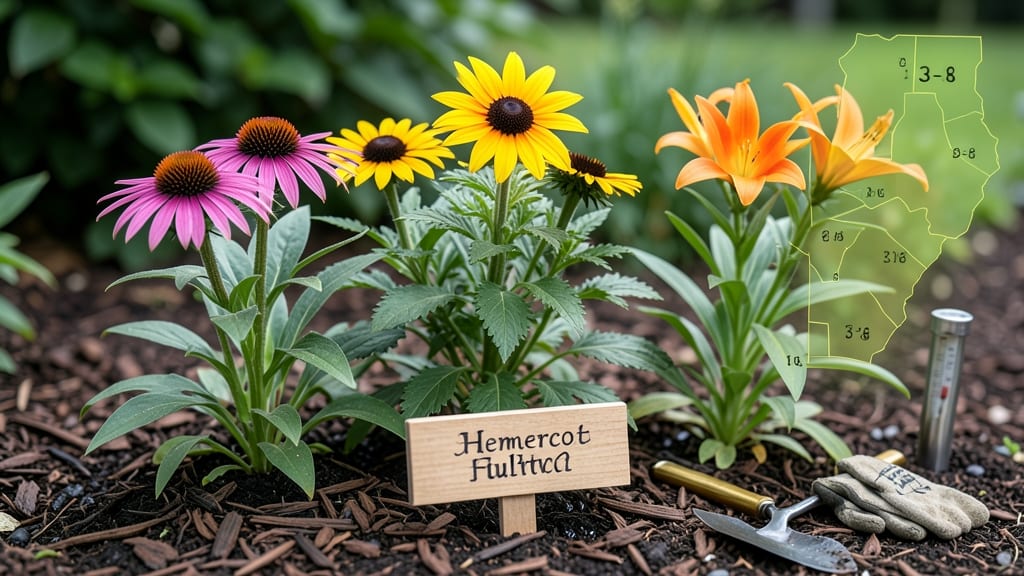
Gardening zones 3 through 8 cover a wide range from freezing northern climates to temperate southern regions, where zone 3 endures -40°F winters while zone 8 rarely drops below 10°F. These hardiness zones dictate which plants can survive, from rugged perennials in zone 3 to heat-sensitive tropicals in zone 8, with local microclimates potentially shifting suitability by 1-5 zones.
These zones reflect average annual minimum temperatures, which directly impact plant survival rates. 🌱 For example, zone 3's extreme cold limits you to hardy evergreens like spruce or cold-tolerant shrubs, while zone 8 allows for citrus trees and bougainvillea.
The USDA's zone maps provide the baseline, but real-world conditions—like urban heat islands or sheltered garden spots—can create microclimates that expand or restrict what you can grow.
I always recommend checking local weather data and observing your yard's specific conditions before selecting plants, as even a small elevation change can shift your effective zone by a full number.
Understanding these variations helps you make smarter plant choices. For instance, a south-facing wall might create a zone 6 microclimate even if you're officially in zone 5, allowing you to grow plants rated for slightly warmer conditions.
The key is observing where frost lingers longest in your yard and planning your garden layout accordingly. This approach maximizes your growing potential while avoiding costly mistakes with frost-sensitive plants.
💡 In This Article
- How USDA Plant Hardiness Zones 3 to 8 Define Frost Limits
- Adjusting Plant Selection for Microclimates in Zones 3-8
How USDA plant hardiness zones 3 to 8 define frost limits
The USDA Plant Hardiness Zone Map divides North America into 13 zones based on the average annual minimum winter temperature. Zone 3, covering areas like northern Minnesota and Maine, endures winters where temperatures can plunge to -40°F or lower.
This extreme cold limits plant options to only the most resilient species, such as coniferous trees (Picea glauca) or cold-hardy shrubs (Symphoricarpos albus), which can survive prolonged freezing.
Zone 8, found in southern Florida and coastal California, rarely drops below 10°F, allowing for frost-sensitive plants like citrus (Citrus × aurantium) or bougainvillea (Bougainvillea spp.) to thrive year-round.
These zones are determined by analyzing historical temperature data over a 30-year period, which helps gardeners predict which plants will survive winter conditions.
For example, zone 5 (average minimum of -15°F to -20°F) includes cities like Chicago and Denver, where gardeners can grow apple trees (Malus domestica) or daylilies (Hemerocallis spp.).
The USDA updates these maps periodically to reflect climate shifts, such as warming trends that have gradually pushed some regions into higher zones over the past few decades. 🌡️ Understanding these thresholds is critical because even a slight temperature difference can mean the difference between a plant surviving or succumbing to frost damage.
The number of frost-free days in each zone also plays a significant role in plant selection. Zone 3 typically has 90-120 frost-free days per year, limiting the growing season for annuals and vegetables, while zone 8 often enjoys 240-300 frost-free days, allowing for year-round gardening in some areas.
This variation explains why zone 3 gardeners focus on cold-hardy perennials and biennials, while zone 8 gardeners can experiment with tropical plants and long-season crops like eggplant (Solanum melongena) or okra (Abelmoschus esculentus).
The correlation between frost-free days and plant hardiness is why some gardeners in transitional zones (like zone 6) use row covers or cold frames to extend the growing season.
What most people don't realize is how these zones interact with local topography and weather patterns. For instance, a valley might experience colder temperatures than a nearby hillside due to cold air settling in low-lying areas.
This is why gardeners in zones 4-6 often notice frost pockets—small areas where temperatures drop significantly lower than the surrounding region. Similarly, urban areas can create heat islands where pavement and buildings retain heat, effectively raising the local zone by 1-2 degrees.
These microclimates can shift plant suitability, making it essential to observe your specific yard conditions rather than relying solely on the USDA map.
To put this into perspective, consider the difference between planting a peony (Paeonia lactiflora) in zone 3 versus zone 8. Peonies are hardy to zone 3, meaning they can survive -30°F temperatures, but they may struggle in zone 8's heat and humidity without proper care.
Conversely, a hibiscus (Hibiscus rosa-sinensis), which thrives in zone 8, would perish in zone 3's winters. The key takeaway is that while the USDA zones provide a useful baseline, real-world conditions—like soil type, wind exposure, and nearby water bodies—can further refine which plants will succeed in your garden. 🌿
For gardeners in transitional zones (like zone 7), where temperatures can fluctuate wildly between winters, understanding the average annual minimum temperature is just part of the story.
It's also important to consider low-temperature extremes—a single night of -25°F in zone 6 could devastate a garden that relies on zone 7 plants.
This is why many gardeners in these areas opt for a mix of cold-hardy and slightly less hardy species, using mulch, windbreaks, and strategic planting to mitigate risks.