
Planting
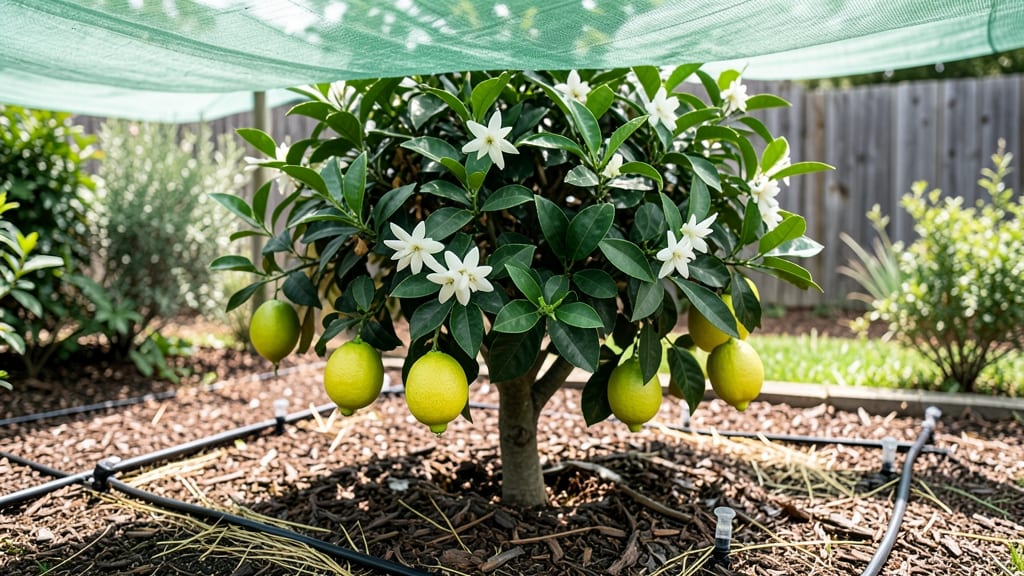
Gardening in Zone 9A thrives with heat-tolerant plants like citrus, bougainvillea, and okra, while avoiding frost-sensitive species. Plant warm-season crops after March 15, and cool-season varieties in fall or winter for optimal growth.
Zone 9A's warm winters and hot summers create ideal conditions for sun-loving plants that can handle temperatures above 80°F for much of the year. 🌞 The key is selecting varieties that match this climate—think drought-resistant succulents, vibrant tropical flowers, and vegetables like sweet potatoes that flourish in heat.
I've found that even within this zone, microclimates matter: coastal areas stay milder than inland spots, so adjust plant choices accordingly. For instance, while citrus thrives in most of Zone 9A, inland gardens might need extra protection during rare cold snaps.
Timing is everything in this region. Warm-season plants like tomatoes and peppers should go in the ground as soon as soil temperatures hit 65°F—typically right after March 15—while cool-season crops like lettuce and spinach perform best when planted in late summer or early fall.
The longer growing season means you can even squeeze in a winter harvest with frost-tender greens, though they'll need some shade during peak summer heat.
💡 In This Article
- Understanding Zone 9A Climate and Plant Hardiness
- Zone 9A Planting Calendar: When to Sow, Transplant, and Harvest
Understanding zone 9A climate and plant hardiness
Zone 9A's climate is defined by its mild winters and long, intense growing seasons, where average low temperatures range between 25–30°F—just cold enough to damage frost-sensitive plants like tomatoes or peppers if exposed for extended periods.
The USDA hardiness zone system categorizes this region based on these winter minimums, but what truly sets Zone 9A apart is its 120–140 frost-free days annually. This extended warm period allows tropical and subtropical plants, like bougainvillea and hibiscus, to thrive year-round without protection. 🌿
The heat is equally critical—summer temperatures often exceed 90°F for months, which means plants must handle both intense sun and drought conditions. For example, citrus trees like Meyer lemons flourish here because they're adapted to Mediterranean climates with hot, dry summers and mild winters.
Meanwhile, vegetables like okra and sweet potatoes not only tolerate but actually prefer these conditions, growing more vigorously in heat than in cooler regions. The key is selecting varieties bred for heat tolerance, such as 'Cherokee Purple' tomatoes or 'Black Beauty' eggplants, which can withstand 100°F+ temperatures without wilting.
Microclimates add another layer of complexity. Coastal areas in Zone 9A, like parts of Southern California, experience milder winters due to ocean breezes, while inland valleys can drop closer to 25°F and face more extreme heat.
This is why a citrus tree might thrive in a coastal garden but struggle inland without winter protection. Even within a single yard, shaded spots stay cooler by 10–15°F than sun-exposed areas, making location choices critical for heat-sensitive plants like basil or lettuce. 🌊
Soil composition also plays a role in plant hardiness. Zone 9A's sandy or clay-heavy soils drain quickly or retain too much moisture, respectively, affecting root health. Amending soil with organic matter improves water retention and aeration, helping plants like bougainvillea or rosemary—both drought-tolerant but sensitive to waterlogged roots—thrive.
For instance, adding 3–4 inches of compost annually can transform poor soil into a nutrient-rich growing medium that supports both heat lovers and moderate-climate plants.
What most gardeners overlook is how humidity levels fluctuate in Zone 9A. Coastal regions have higher humidity (60–80%), while inland areas can drop below 30% in summer, creating ideal conditions for fungal diseases like powdery mildew.
This is why choosing disease-resistant varieties, such as 'Heatmaster' tomatoes or 'Improved Yellow' okra, becomes essential. Proper spacing and airflow between plants also reduce humidity-related stress, allowing your garden to stay healthy even during peak growing seasons. 🌡️
Understanding these climate nuances helps explain why some plants excel while others fail. For example, while frost-sensitive plants like impatiens won't survive Zone 9A winters, cold-hardy perennials like lavender or rosemary not only survive but thrive, offering year-round color and fragrance.
The secret lies in matching plant needs to your specific microclimate—whether that means planting citrus in sheltered spots or choosing heat-tolerant herbs for sunny areas. This precision turns Zone 9A's challenges into opportunities for a lush, productive garden. 🌱