
Advice
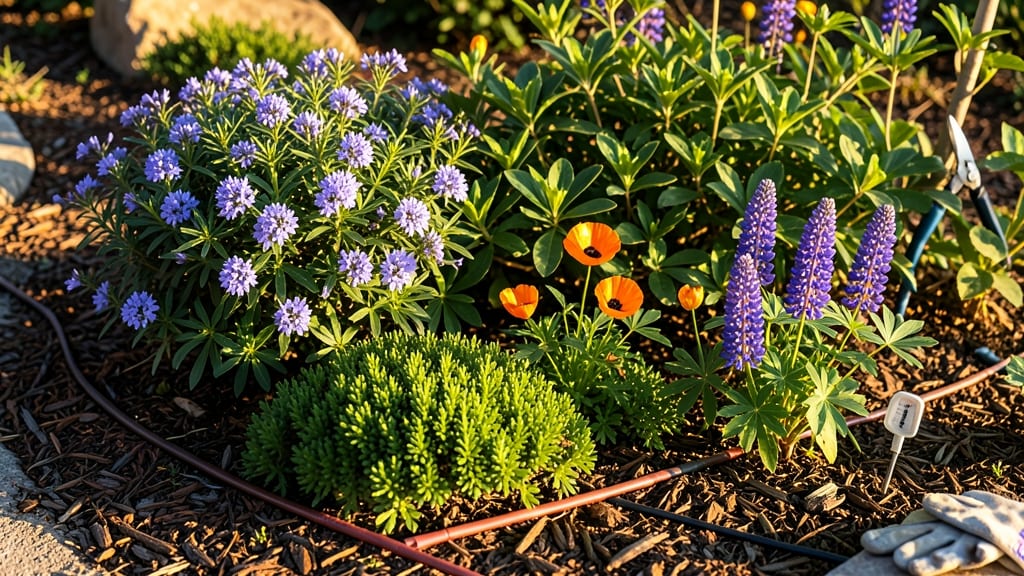
Gardening in Northern California succeeds best with native drought-tolerant plants like California poppies, manzanita, and ceanothus, while adapting to regional microclimates—coastal fog zones, sun-drenched valleys, and high-elevation areas—where soil prep and watering schedules make all the difference for thriving gardens.
Northern California's diverse geography means what works in Marin County may fail in Fresno, and vice versa.
The key is matching plants to their natural habitats—like succulents for dry inland areas or shade-loving ferns for foggy coastal gardens. 🌿 I've seen firsthand how a simple soil test revealing high clay content can transform a struggling garden into a thriving one with the right amendments.
Timing matters too: watering deeply in early morning saves more plants than evening sessions, which encourage fungal growth.
For beginners, starting with California native plants is my top recommendation—they've evolved to handle our unpredictable weather patterns. These species also support local wildlife while requiring far less maintenance than thirsty imports.
The real magic happens when you combine native perennials with seasonal annuals for continuous color, creating a garden that's both beautiful and resilient.
💡 In This Article
- Northern California Microclimates and Plant Zones Explained
- Top Drought-Resistant Plants for Northern California Gardens
Northern California microclimates and plant zones explained
Northern California's gardening success hinges on understanding its USDA hardiness zones 7b through 10a, where coastal areas like San Francisco (zone 9b-10a) enjoy milder winters, while inland valleys such as Sacramento (zone 9a) experience more dramatic temperature swings.
The coastal fog belt—stretching from Sonoma to Monterey—creates a unique microclimate where humidity stays high year-round, allowing plants like coast live oak and coyote brush to thrive in partial shade with minimal irrigation.
Meanwhile, the Central Valley's 100°F+ summers demand heat-tolerant species like desert willow or palm trees that can handle 300+ days of sunshine.
Elevation plays a critical role too: the Sierra foothills (zones 7b-8a) see 10-15°F colder nights than nearby valleys, requiring frost-hardy perennials like toyons or California buckwheat that can withstand 20-25°F dips.
What's fascinating is how fog drip—where coastal fog condenses on leaves—can provide up to 20% of a plant's water needs in summer, reducing irrigation needs by 30-50%. This natural phenomenon explains why coastal gardens often flourish with 50% less water than inland counterparts.
For gardeners, this means layered planting strategies are essential. Start with drought-resistant ground covers like creeping sage or yarrow to suppress weeds and retain moisture, then add medium-height shrubs like manzanita for structure, and top with tall grasses such as purple needlegrass to catch fog and wind.
The root depth of these plants varies dramatically—California poppies have shallow roots (6-12 inches) while toyon roots extend 15+ feet, making them ideal for stabilizing slopes.
Timing your planting is equally crucial. In coastal zones, you can sow seeds year-round due to mild winters, but inland areas require fall planting to establish roots before summer heat.
The first frost date varies wildly: San Francisco rarely drops below 32°F, while Chico can see 20°F nights by November. This is why frost-sensitive plants like bougainvillea thrive in zone 10a but need winter protection in zone 8a.
Soil composition adds another layer of complexity. Coastal areas often have sandy loam with high organic matter, while the Central Valley's soil is clay-heavy with poor drainage. Amending with composted manure (for nitrogen) and perlite (for aeration) can transform these conditions.
What most gardeners overlook is how mycorrhizal fungi—natural soil microbes—boost native plant survival rates by up to 70% through improved nutrient uptake.
Here's a quick reference for regional planting zones and their characteristics:
- Coastal (9b-10a): Mild winters (35-45°F avg), high humidity, 20-40 inches annual rainfall
- Central Valley (9a-10a): Hot summers (100°F+), 8-12 inches annual rainfall, low humidity
- Sierra Foothills (7b-8a): Cold winters (20-25°F frost), 30-50 inches annual snow, short growing season
Understanding these patterns lets you match plants to their ideal conditions, creating gardens that require less water, fewer pesticides, and more wildlife support. The result? A landscape that's both beautiful and self-sustaining—just like the ecosystems that inspired it. 🌿