
Tools
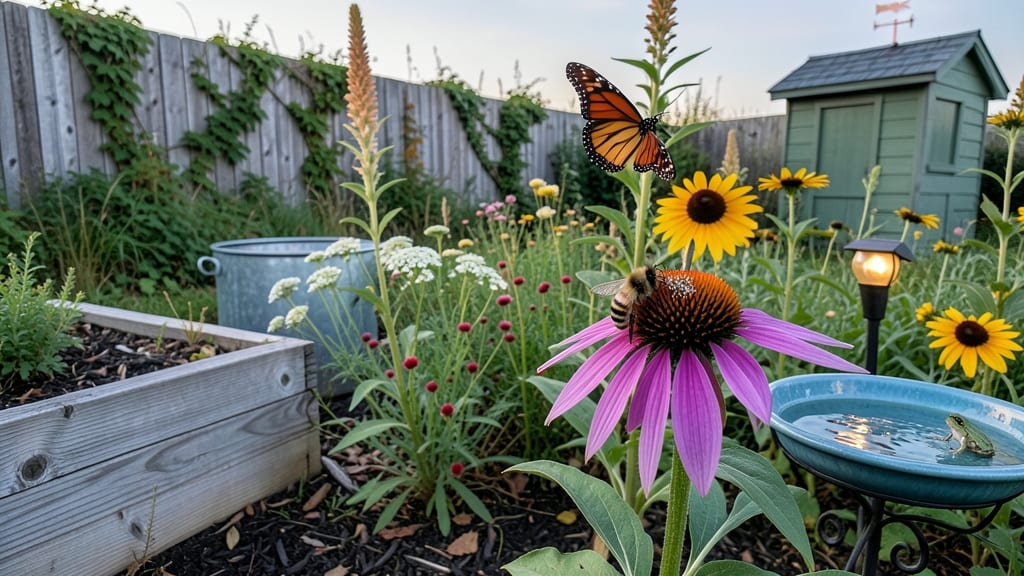
Gardening and the environment create a powerful partnership that boosts biodiversity through pollinator-friendly habitats and wildlife corridors while cutting carbon emissions via soil carbon storage and reduced reliance on industrial agriculture.
When you plant native flowers and shrubs, you're essentially building tiny ecosystems that support bees, butterflies, and birds—critical players in maintaining healthy food webs. 🌿 These gardens act as stepping stones for wildlife, helping them navigate fragmented urban landscapes.
Beyond just aesthetics, every square foot of garden space contributes to cleaner air and water by filtering pollutants while supporting microbial life in the soil that breaks down toxins.
This connection between gardening and environmental health extends to climate change mitigation. Healthy soils act like natural carbon sinks, absorbing CO₂ through plant roots and organic matter.
By choosing drought-resistant plants and reducing lawn areas—often water-guzzling and chemically dependent—you're directly lowering your water usage and the fossil fuels needed for maintenance. The cumulative effect of millions of small gardens worldwide could dramatically shift our collective carbon footprint.
💡 In This Article
- How Home Gardens Support Biodiversity Ecosystems
- Carbon Sequestration and Soil Health in Sustainable Gardening
How home gardens support biodiversity ecosystems
Home gardens act as micro-habitats that directly combat biodiversity loss by providing essential resources for pollinators and wildlife. Native flowering plants like milkweed and coneflowers offer nectar to bees and butterflies, while berry-producing shrubs feed birds during migration.
Studies show that gardens with just 10-15 species of plants can support 30% more pollinators than monoculture lawns. The key mechanism is creating "pollinator highways"—connected green spaces that allow insects to travel safely between wild areas.
Soil health plays an equally critical role in sustaining these ecosystems. Healthy soil teems with microbes and fungi that decompose organic matter, releasing nutrients while storing carbon.
A single acre of garden soil can sequester 1-2 tons of CO₂ annually—equivalent to removing 400 gallons of gasoline emissions from the atmosphere. Native plants with deep root systems also prevent erosion, maintaining the structural integrity of ecosystems that support amphibians and small mammals.
What makes this impact even more powerful is how gardens reduce habitat fragmentation—the primary threat to wildlife in urban areas. By planting diverse, layered gardens with trees, shrubs, and ground covers, you create vertical habitats that mimic natural ecosystems.
For example, a 50-square-foot garden with varying heights can support 5-10 species of birds, compared to just 1-2 species in a uniform lawn. This vertical diversity is crucial for species that nest at different heights.
The benefits extend beyond wildlife to include pest control. A biodiverse garden naturally attracts beneficial predators like ladybugs and lacewings that prey on garden pests, reducing the need for chemical pesticides by up to 70%.
This creates a self-regulating ecosystem where each species plays a role in maintaining balance—something monoculture farming simply cannot replicate. 🌱
Consider this real-world example: In Portland, Oregon, home gardens with native plants have been shown to increase local bee populations by 40% within just three years. The secret lies in planting species that flower at different times throughout the growing season, ensuring a continuous food source.
Even small urban gardens contribute when connected through community initiatives like "bee highways" that stretch across neighborhoods.
For maximum impact, focus on these three strategies: diversity (mix native perennials, annuals, and shrubs), layering (combine trees, shrubs, and ground covers), and continuous blooming (select plants with staggered bloom times). These simple techniques transform your garden from a decorative space into a functional ecosystem that actively supports biodiversity.