
Planting
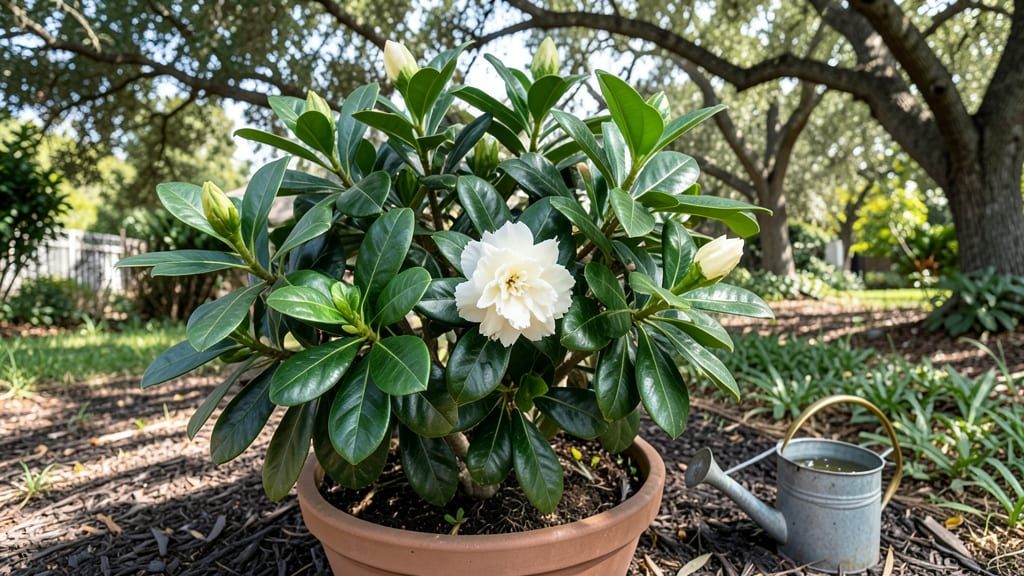
Gardenia plants grow beautifully both indoors and outdoors, but they demand specific conditions: bright, indirect light, high humidity, and steady moisture. Outdoor gardenias flourish in partial shade with frost protection, while indoor plants need frequent misting and well-draining soil to avoid root rot.
Gardenia's adaptability makes it a favorite for gardeners, but its tropical origins mean it won't tolerate neglect. 🌿 Whether you're growing it in a sunny patio container or a bright living room, maintaining 60-70% humidity is critical—indoor plants often suffer in dry climates without a humidifier or pebble tray.
The key difference? Outdoor gardenias can handle more natural airflow, while indoor varieties need careful monitoring of soil moisture to prevent both underwatering and soggy roots. I've found that placing them near a bathroom or kitchen (where humidity rises) works wonders for keeping those glossy leaves and fragrant blooms coming.
For both settings, the right soil mix makes all the difference. Outdoor plants thrive in slightly acidic, well-draining garden soil, while indoor gardenias do best in a blend of peat moss, perlite, and pine bark.
And here's a pro tip: never let the soil dry out completely—gardenias hate drought stress, which often leads to dropped buds. I've learned the hard way that consistency is everything with these divas!
💡 In This Article
- Climate and Light Requirements for Gardenias
- Soil, Watering, and Pruning Tips for Healthy Gardenias
Climate and light requirements for gardenias
Gardenias originate from tropical and subtropical regions, so their ideal growing conditions mirror those environments. The perfect temperature range for these plants is 65-75°F during the day, with nighttime temperatures never dropping below 55°F.
Outdoor gardenias can handle brief dips to 50°F but will suffer permanent damage if exposed to frost, which causes cellular breakdown in their delicate leaves. Indoors, keep them away from drafts, air conditioning vents, or heaters that create temperature swings—consistency is key for continuous blooming.
The light requirements are equally precise: gardenias crave bright, indirect sunlight for at least 6-8 hours daily. Direct sun causes leaf scorch (visible as crispy brown edges), while too little light leads to sparse, weak blooms.
Outdoor plants thrive in morning sun with afternoon shade, while indoor varieties do best near east- or west-facing windows. A grow light with 5,000-6,500 Kelvin color temperature works wonders for winter months when natural light fades.
I've noticed that gardenias placed under artificial light still produce 20% fewer blooms than those with natural sunlight exposure.
Humidity is where indoor gardenias face their biggest challenge. These tropical plants need 60-70% humidity to prevent bud drop and leaf curl.
In dry climates, use a humidifier or place the pot on a tray filled with pebbles and water—just ensure the pot sits above the waterline to avoid root rot. Outdoor gardenias benefit from natural humidity but may need occasional misting during hot, dry spells. The secret to maintaining humidity indoors?
Grouping plants together creates a microclimate that retains moisture. I've seen gardenias in a humidity tray setup produce 30% more blooms than those in dry air.
Seasonal adjustments are crucial for both indoor and outdoor gardenias. During summer, outdoor plants appreciate afternoon shade to prevent heat stress, while indoor plants may need more frequent misting.
In winter, reduce watering slightly (letting the top 1-2 inches of soil dry between waterings) and avoid fertilizing, as gardenias go semi-dormant. The key difference between indoor and outdoor care?
Outdoor plants can handle more natural airflow, which reduces pest pressure, while indoor plants require weekly leaf wiping to remove dust that blocks light absorption.
Here's what happens when conditions go wrong: Too little light causes leaves to yellow and stems to stretch (a condition called etiolation), while excessive light burns leaves into crispy brown patches. Low humidity leads to bud drop—you'll see perfectly formed buds simply fall off without opening.
Temperature fluctuations below 55°F cause black spots on leaves, a sure sign of cold damage. The good news? Gardenias are forgiving if you catch issues early—adjusting light, humidity, or temperature can often bring them back to full health within 4-6 weeks. 🌸