
Size
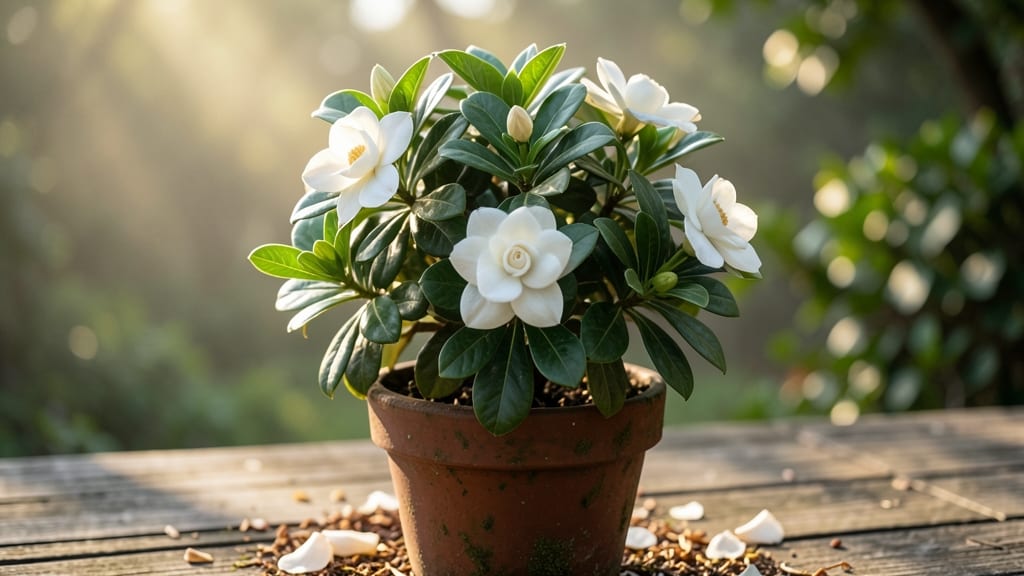
The gardenia growth rate depends on variety, but most mature plants grow 6-12 inches per year under optimal conditions, with fastest growth occurring in the first 2-3 years before slowing. Some varieties bloom within 2-3 years, while slower growers may take 5+ years to reach full size.
Gardenia plants are famous for their fragrant blooms, but their growth speed can vary dramatically based on care and genetics. 🌿 The most aggressive growers—like the 'Radicans' variety—can shoot up 12+ inches in a single season when given perfect conditions, while others like 'Kleim’s Hardy' prioritize bushiness over height.
What's fascinating is how early growth stages differ: seedlings often focus on root development before putting energy into visible height, which is why young plants might seem slow at first but then surge forward once established.
Understanding this progression helps gardeners set realistic expectations. For instance, a 6-month-old gardenia might only reach 6-12 inches tall but could already be developing buds if conditions are ideal.
The key to accelerating growth lies in consistent moisture, acidic soil (pH 4.5-6.0), and protecting plants from harsh afternoon sun—all factors that directly impact how quickly they'll reach their mature dimensions.
💡 In This Article
- Factors Influencing Gardenia Growth Speed
- Gardenia Size Progression by Variety and Age
Factors influencing gardenia growth speed
Gardenia growth speed is primarily governed by three environmental factors: sunlight exposure, soil conditions, and temperature. These plants thrive in bright, indirect light—think dappled shade under tall trees rather than harsh midday sun.
Too much direct sunlight causes leaf scorch, while insufficient light leads to leggy, weak stems that grow 2-3 inches slower annually. The ideal light balance triggers photosynthesis efficiently, allowing the plant to allocate energy to both root expansion and stem elongation.
The soil pH plays an equally critical role, with gardenias demanding acidic conditions between 4.5-6.0. In alkaline soils (pH 7.0+), nutrient uptake—especially iron and manganese—plummets by up to 70%, directly stunting growth.
This is why gardeners often amend soil with peat moss or sulfur; without proper acidity, even well-watered plants may only grow 3-5 inches per year instead of the expected 8-12 inches.
Temperature also creates a 70-85°F sweet spot: below 60°F, growth nearly halts, while above 90°F, the plant conserves energy by reducing leaf production.
Watering consistency creates another critical variable. Gardenias need 1-1.5 inches of water weekly, but their root systems are shallow, making them prone to drought stress.
When soil dries out completely, the plant responds by shedding leaves to conserve moisture—a growth setback that can delay height gains by 6-12 months. Overwatering, however, causes root rot, which manifests as yellowing leaves and stunted stems.
The key is maintaining even moisture without waterlogging, which is why many growers use well-draining pots with saucers to prevent water accumulation.
Fertilizer choice directly impacts growth rates too. Gardenias are heavy feeders that respond best to acid-loving blends with balanced NPK ratios (e.g., 10-10-10 or 8-3-9). During active growth (spring-fall), monthly applications of half-strength fertilizer can accelerate height gains by 20-30% compared to unfertilized plants.
However, over-fertilizing—especially with nitrogen—promotes lush foliage at the expense of blooms, which is why many gardeners switch to low-nitrogen, high-phosphorus formulations when buds appear.
Seasonal patterns also dictate growth speed. Most gardenias enter a dormant phase in winter, when growth slows to 1-2 inches per month or stops entirely in colder climates. This is a natural response to shorter daylight and cooler temperatures, not a sign of poor health.
The real growth surge occurs in late spring through early fall, when days are long and soil temperatures remain warm. During this period, well-cared-for plants can add 6-12 inches in just 3 months, making seasonal timing crucial for maximizing height gains.
One often-overlooked factor is pruning strategy. Regular pruning after flowering—specifically removing 1/3 of the oldest stems—stimulates new growth by redirecting energy to younger, more vigorous shoots. Without pruning, gardenias can become top-heavy, with growth concentrated in a few elongated stems rather than a balanced bush.
This leads to weaker structural integrity and slower overall expansion. The result? Pruned plants often outpace unpruned counterparts by 30-40% in height and width within a single growing season.
Finally, the plant's genetic makeup sets the baseline growth rate. While environmental factors can accelerate or slow progress, some varieties are inherently faster growers. For example, 'Radicans' gardenias—known for their trailing habit—can extend 12+ inches annually when given ideal conditions, while 'Kleim’s Hardy' focuses more on bushiness than height.
Understanding these inherent differences helps gardeners choose varieties that match their space and timeline expectations. 🌱