
Flowers
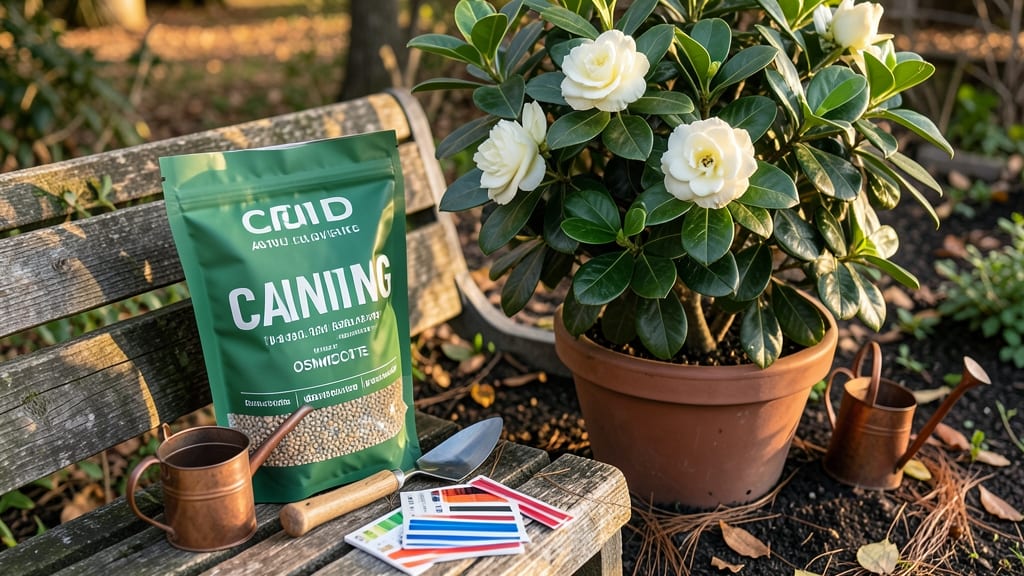
To get your gardenia 🌸 to bloom with fragrant, creamy-white flowers, you need a fertilizer that matches its acidic soil needs—think high phosphorus and a pH-friendly formula.
Picture this: You’ve watered, pruned, and waited, but your gardenia still throws out sparse buds instead of a showstopping display. The missing piece? A fertilizer tailored to its acid-loving roots, which crave the right balance of nutrients to fuel those iconic blooms.
Most gardeners overlook the pH-specific needs of gardenias, assuming a generic feed will do. But the truth is, the wrong fertilizer can stunt growth or even kill your plant.
Below, I’ll break down the best organic and synthetic options, how to apply them without burning roots, and DIY tricks to boost blooms naturally.
By the end, you’ll know exactly when to feed, what to avoid, and how to turn your gardenia into a fragrant, flowering powerhouse—without the guesswork.

Best acid-loving fertilizers for gardenia flowers (and how they work)
Your gardenia thrives in acidic soil (pH 5.0-6.5), and the right acid-loving fertilizer is the key to those iconic, fragrant blooms. Without proper nutrients—especially phosphorus and iron—your plant may produce fewer flowers or develop yellow leaves.
The best fertilizers for gardenias mimic their natural tropical habitat, providing slow-release nutrients while maintaining soil acidity.
Organic and synthetic fertilizers both work, but they differ in how they deliver nutrients. Organic fertilizers like cottonseed meal or compost tea break down slowly, feeding roots over time, while synthetic fertilizers (like acid-loving blends) provide immediate nutrients.
Both must include sulfur or elemental sulfur to lower pH and keep the soil in the ideal range for gardenias.
Key nutrients to look for in gardenia fertilizers include:
- Phosphorus (P): Promotes flowering and root growth
- Iron (Fe): Prevents chlorosis (yellowing leaves)
- Sulfur (S): Maintains acidic soil pH
- Magnesium (Mg): Supports leaf health and photosynthesis
The right fertilizer not only feeds your gardenia but also ensures nutrients are absorbed efficiently. For example, a high-phosphorus fertilizer like 6-6-6 or 8-3-9 (NPK ratio) encourages blooms, while chelated iron prevents yellowing between veins—a common sign of iron deficiency.
Now, let’s compare the top organic vs. synthetic fertilizers for gardenias, including their benefits, application methods, and how they affect soil pH.
For organic gardeners, cottonseed meal is a top choice because it releases nutrients slowly while lowering soil pH naturally. I’ve used it for years in my gardenia beds, and it consistently produces larger blooms by the end of summer.
Mix 1 cup per plant into the top 2-3 inches of soil in early spring, then again in early summer.
Synthetic fertilizers, like azalea mixes, are ideal for quick results. These blends often include sulfur-coated urea, which dissolves slowly and feeds your gardenia over 8-12 weeks. I recommend applying 1 tablespoon
Step-by-step guide: how to apply gardenia fertilizer for maximum blooms
Your gardenia craves the right nutrients at the right time to burst into those fragrant blooms you love. Unlike other plants, gardenias thrive on acid-loving fertilizers with balanced phosphorus and micronutrients.
But timing and method matter—too much or too little can stress your plant. Let’s break down the exact steps to feed your gardenia for maximum blooms without burning its roots.
First, always fertilize in the morning hours when temperatures are cool. This prevents root burn and fungal growth from evening moisture. Use a slow-release fertilizer or organic options like cottonseed meal or fish emulsion to mimic its natural acidic soil.
Avoid synthetic fertilizers with high nitrogen—they’ll produce lush leaves but fewer blooms.
🌿 Step-by-Step Fertilizer Application for Gardenias
-
Step 1: Choose the Right Fertilizer
Select a balanced acid-loving formula like 6-6-6 or 8-3-9 NPK. Organic options: cottonseed meal, peanut meal, or composted pine needles.
-
Step 2: Test Soil pH (Spring)
Gardenias need pH 5.0–6.5. Use a soil pH test kit in early spring. If pH is too high, amend with sulfur or peat moss.
-
Step 3: Apply Fertilizer (Spring/Summer)
Sprinkle 1 tbsp per plant in early spring (March–April). Reduce to ½ tbsp in summer (June–July). Water deeply after application.
-
Step 4: Foliar Feed (Optional)
For extra micronutrients, mix 1 tsp Epsom salt in 1 gallon of water and spray leaves monthly. Avoid during hot afternoons to prevent leaf scorch.
-
Step 5: Skip Fertilizer (Fall/Winter)
Stop feeding in September. Gardenias enter dormancy—focus on mulching with pine bark to protect roots.
-
Step 6: Monitor for Signs
Yellow leaves? Reduce fertilizer. Brown tips? Increase humidity. No blooms? Boost phosphorus with a bloom-specific fertilizer.
Timing is everything with gardenias. Feed them heavily in spring (March–May) to kickstart growth and lightly in summer (June–July) to sustain blooms. Skip fall and winter entirely—they’re dormant and don’t need extra nutrients. Pro tip: Water first before applying fertilizer to prevent root burn, especially with granular products.
For potted gardenias, cut fertilizer amounts in half since roots are more confined. Always follow the label instructions for synthetic fertilizers, but remember: organic options like compost tea or worm castings release nutrients slowly, reducing burn risks.
If your gardenia is container-grown, flush the soil with water every 3–4 months to prevent salt buildup from fertilizers.
Watch your gardenia transform as you master this routine! With the right acid-loving fertilizer and careful timing, you’ll enjoy double the blooms and those intoxicating fragrances all season long. Happy gardening! 🌸