
Advice
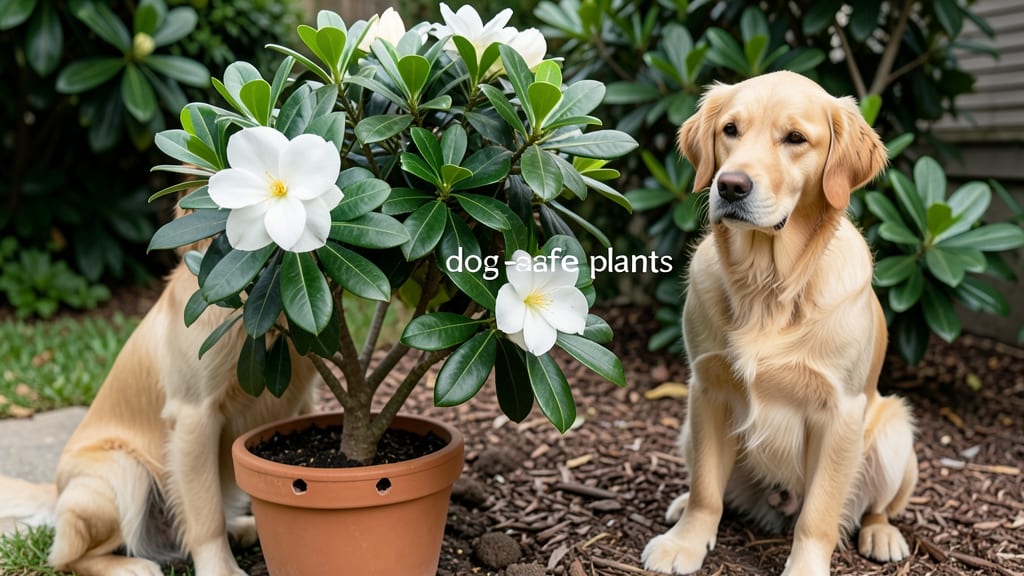
Are gardenia flowers safe for dogs? No—they're toxic and can cause vomiting, diarrhea, or lethargy in pets due to saponins and cyanogenic glycosides. Avoid all parts of the plant, and contact a vet immediately if your dog ingests any.
Gardenia flowers contain natural compounds that pose serious risks to dogs, even in small amounts. 🐾 The saponins in gardenias irritate the digestive system, while cyanogenic glycosides can disrupt cellular function, leading to weakness or even respiratory distress in severe cases.
Unlike some plants that cause mild stomach upset, gardenias can trigger more dangerous symptoms like drooling, tremors, or collapse—especially in smaller breeds or puppies.
If you love the look of gardenias but want a pet-friendly alternative, consider sunflowers, roses, or pansies instead. These blooms offer similar beauty without the toxicity risk. Just be sure to research any new plants before bringing them home—some popular flowers, like lilies or tulips, are also hazardous to dogs.
💡 In This Article
- Toxic Compounds in Gardenias and Their Effects on Dogs
- Dog-Friendly Flower Alternatives for Pet Owners
Toxic compounds in gardenias and their effects on dogs
Gardenia flowers contain saponins, a group of naturally occurring glycosides that create soapy lather when mixed with water. These compounds irritate a dog's digestive tract, causing inflammation and disrupting nutrient absorption.
The flowers also harbor cyanogenic glycosides, which release toxic cyanide when metabolized—this can interfere with oxygen transport in the bloodstream, leading to weakness or even collapse in severe cases.
Even a small nibble on a gardenia leaf or flower can trigger symptoms within 30 minutes to 2 hours, depending on the dog's size.
The severity of poisoning depends on the amount ingested and the dog's weight. A 10-pound Chihuahua might show signs after eating just one leaf, while a 50-pound Labrador could tolerate slightly more before symptoms appear. Common reactions include excessive drooling, vomiting, diarrhea (sometimes with blood), lethargy, and abdominal pain.
In rare but critical cases, cyanide toxicity can cause difficulty breathing or seizures—this is why immediate vet care is essential if you suspect ingestion.
What makes gardenias particularly dangerous is their fragrant appeal. Dogs are naturally curious about strong scents, and the sweet floral aroma can lure them closer to the plant. Unlike bitter-tasting plants that dogs often avoid, gardenias have a mild, pleasant smell that masks their toxicity.
This is why pet owners should remove gardenias from indoor spaces or secure outdoor gardens with fences or barriers to prevent access.
Another hidden risk comes from gardenia-based products**. Some commercial dog treats or flea collars contain gardenia extracts for fragrance, and even small amounts can be harmful. Always check ingredient labels—if "gardenia" or "jasmine" (a related flower) appears, avoid the product.
The ASPCA lists gardenias as toxic, and their effects can mimic those of other irritating plants like oleander or foxglove, which are also deadly.
If your dog shows signs of poisoning, don’t wait for symptoms to worsen. Induce vomiting only if instructed by a vet—some cases require activated charcoal or IV fluids to flush toxins from the system.
Keep a sample of the plant (if possible) to help with diagnosis, as symptoms can overlap with other conditions like pancreatitis or food allergies.
Understanding these compounds helps pet owners make informed choices. While gardenias add beauty to gardens, their risks far outweigh their aesthetic appeal when dogs are part of the household. 🐕