
Tools
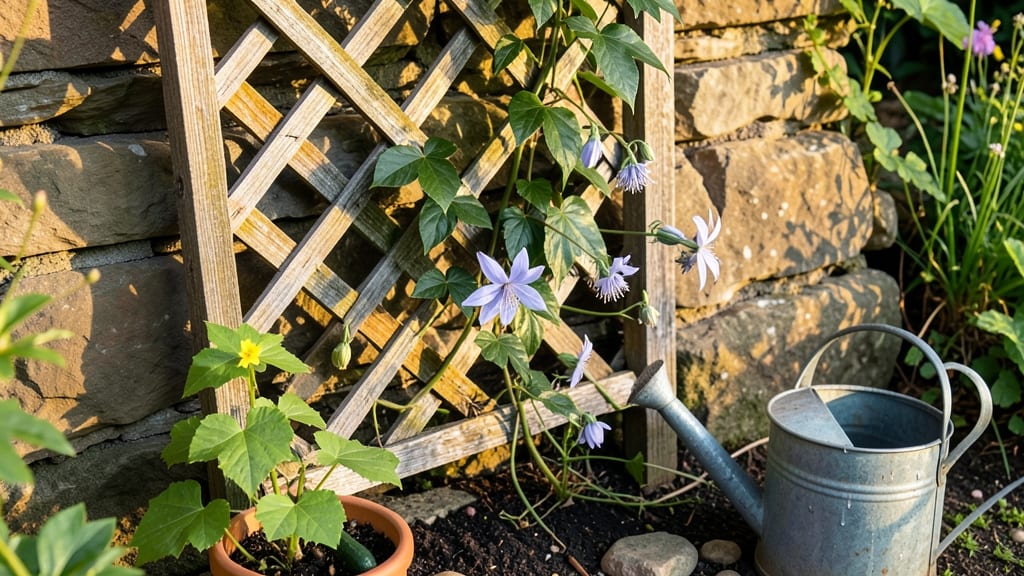
Looking for garden trellises for sale? These vertical supports are available in sturdy materials like metal, wood, and PVC, designed to hold everything from climbing roses to heavy vines. Your best choice depends on what you're growing, how much weight it'll bear, and whether you want low-maintenance or rustic aesthetics.
When you're shopping for garden trellis for sale, think about your specific needs—like whether you need something lightweight for delicate flowers or heavy-duty for squash vines. 🌿 Metal trellises, for example, are great for long-term use because they resist rot and rust, while wooden options add natural charm but may need sealing.
PVC is a budget-friendly middle ground that works well for most vegetables. I always recommend checking the weight capacity before buying, especially if you're growing fast-growing plants like cucumbers or beans.
Another key factor is installation—some trellises snap together in minutes, while others require staking or screwing into the ground. If you're renting or have a small space, consider foldable options that store easily. For long-term gardeners, investing in a high-quality trellis now can save you from replacing flimsy supports later.
💡 In This Article
- Top 5 Durable Garden Trellis Materials Compared
- Where to Buy Garden Trellises Online: Best Retailers and Tips
Top 5 durable garden trellis materials compared
Metal trellises stand out for their unmatched durability and weight capacity, easily supporting 20-30 pounds of climbing plants like pole beans or heavy roses. The most common types use galvanized steel or powder-coated aluminum, which resist rust and corrosion—critical for coastal gardens or areas with high humidity.
You'll notice how metal's rigid structure maintains perfect vertical alignment even under heavy loads, unlike flexible materials that may sag over time. 🔥
Wooden trellises offer a rustic aesthetic while providing solid support, but their performance depends heavily on the wood type. Cedar and redwood naturally resist rot, while pine requires sealing every 1-2 years to prevent warping.
For heavy climbers like cucumbers or squash, opt for 2x4-inch posts spaced 3 feet apart—this creates a stable lattice for vines to twine. The downside? Wood absorbs moisture, making it prone to mold if not treated properly, especially in rainy climates.
PVC trellises strike a balance between affordability and functionality, with lightweight yet sturdy designs ideal for vegetables like peas or morning glories. Their hollow tubes make them easy to assemble and store, while built-in connectors prevent wobbling.
However, PVC's weight limit (~10 pounds) makes it unsuitable for heavy vines. The material's smooth surface also means plants may need extra ties to climb effectively, unlike textured metal or wood that offers natural grip points.
Bamboo trellises bring a natural, tropical look to gardens while offering surprising strength—each stalk can support 15-20 pounds when properly secured. The hollow centers reduce weight while maintaining rigidity, and their biodegradable nature makes them eco-friendly.
For best results, use 3-4 inch diameter stalks arranged in a lattice pattern, then tie them tightly at the base with galvanized wire to prevent spreading. The trade-off? Bamboo requires annual replacement in humid climies due to moisture absorption.
For long-term durability, consider composite materials like recycled plastic trellises, which mimic wood's appearance while resisting rot and insects. These often feature modular designs that snap together without tools, making them perfect for renters or those who move frequently.
The 5-10 year lifespan of quality composites makes them a smart investment for perennial gardens, though they typically cost 20-30% more than basic PVC options.
When choosing, match your trellis to your plants' growth habits. Fast-climbing cucumbers need 8-10 foot structures, while delicate flowers like clematis thrive on 5-6 foot arched designs.
Always check for UV protection in plastics and galvanized hardware in metal options to extend lifespan—these small details make all the difference in preventing mid-season failures. ✨