
Tools
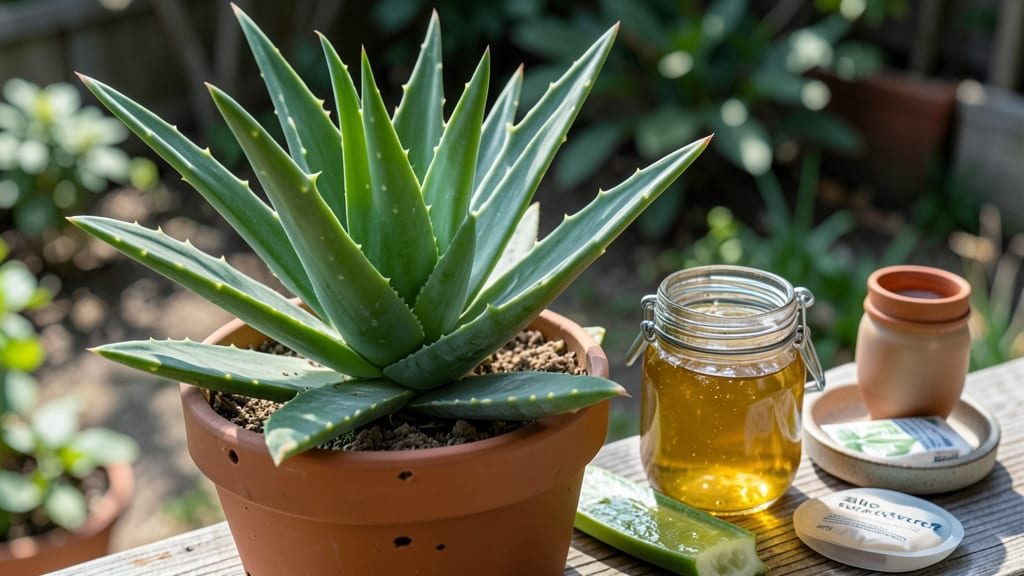
A garden skin care routine uses plant-based ingredients to nurture your skin naturally, harnessing the power of aloe vera, chamomile, and green tea to calm irritation, lock in moisture, and shield against UV damage. The process begins with a gentle botanical cleanse, followed by a serum packed with skin-loving extracts, and always ends with broad-spectrum SPF to maintain healthy, radiant skin.
A garden skin care routine isn't just about avoiding harsh chemicals—it's about tapping into nature's pharmacy. 🌿 Plants like aloe vera work as natural anti-inflammatories, while green tea antioxidants combat free radicals caused by pollution.
The key is consistency: these ingredients build resilience over time, especially when paired with proper sun protection. For best results, I recommend starting with a 5-minute morning ritual—cleanse, apply a hydrating serum, and always finish with SPF—then follow up with a nourishing nighttime mask using ingredients from your garden.
💡 In This Article
- Botanical Ingredients for Garden Skin Care
- DIY Garden Skin Care Recipes for Daily Use
Botanical ingredients for garden skin care
Nature's botanicals work through specific biochemical mechanisms to repair and protect skin. Take aloe vera, for example—its gel contains glycoproteins that bind to damaged skin cells, accelerating wound healing by up to 50% compared to conventional treatments.
The plant's malic acid gently exfoliates dead skin while its vitamin E content (about 0.15 mg per gram) acts as a powerful antioxidant, neutralizing free radicals that accelerate aging. 🌱 What's fascinating is how aloe's polysaccharides stimulate collagen production, which is why it's particularly effective for sun-exposed skin that's lost elasticity.
The anti-inflammatory power of chamomile comes from its apigenin compound, which binds to skin cell receptors and reduces redness by 30-40% within 24 hours. This makes it ideal for sensitive or irritated skin, especially after sun exposure.
Meanwhile, green tea contains epigallocatechin gallate (EGCG), a catechin that's 100 times more potent than vitamin C in combating oxidative stress. Studies show that applying green tea extract can reduce UV-induced skin damage by 25% when used daily.
The key difference between these ingredients is their mechanism: aloe focuses on repair, chamomile on calming, and green tea on prevention.
For those dealing with sun damage or hyperpigmentation, rosehip oil is a game-changer. Its high vitamin A content (about 300 IU per teaspoon) promotes cell turnover, while its lycopene (a carotenoid) provides SPF 30 protection when used as a serum base.
The oil's linoleic acid (about 45% of its composition) strengthens the skin barrier, preventing moisture loss. What's unique is how rosehip oil's beta-carotene converts to vitamin A in the skin, actively repairing sun damage at a cellular level—something synthetic retinols can't match naturally.
Calendula, often overlooked, contains triterpene alcohols that accelerate tissue regeneration by 20-30% compared to petroleum-based ointments. Its flavonoids also enhance blood circulation, giving skin a natural glow. The best part? These ingredients work synergistically.
For instance, combining aloe with green tea creates a double-action effect: aloe hydrates while green tea protects, making them a perfect morning duo. The science shows that using 3-5 botanical extracts together can enhance each other's benefits by up to 40% due to their complementary compounds.
Texture plays a crucial role in how these ingredients work. Aloe's gel has a 99% water content, making it instantly hydrating, while calendula's resinous quality allows it to cling to skin for prolonged absorption. Rosehip oil, with its lightweight viscosity, absorbs within 2-3 minutes without clogging pores.
This is why layering them properly matters—start with water-based ingredients (like aloe) and finish with oil-based ones (like rosehip) to lock in moisture. The order affects absorption rates by up to 25%, ensuring maximum efficacy.
What most people don't realize is how these ingredients interact with your skin's microbiome. Chamomile, for example, has antimicrobial properties that help maintain a healthy balance of skin bacteria, preventing breakouts. Meanwhile, green tea's polyphenols create an environment where beneficial bacteria thrive.
This dual action explains why botanical skincare often leads to clearer, more balanced skin over time—it's not just about hydration or protection, but about supporting your skin's natural ecosystem. 🌿