
Tools
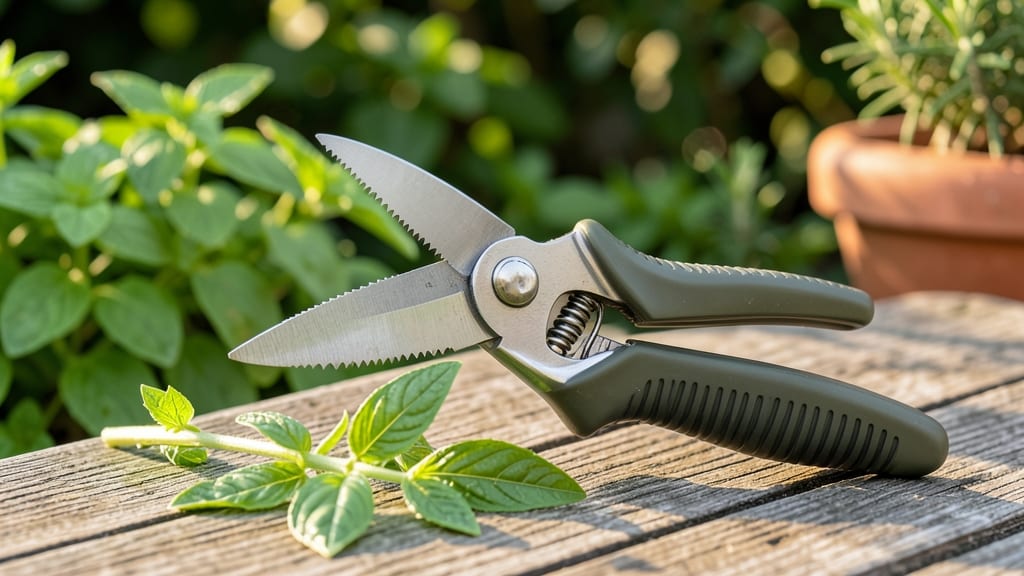
Garden scissors are most commonly called pruners, shears, or secateurs, with each type designed for specific cutting tasks like trimming plants, harvesting herbs, or shaping shrubs. Pruners handle small branches, shears trim foliage, and bypass secateurs offer precision for delicate cuts.
When people ask what garden scissors are called, they're often surprised by the variety of terms and specialized tools available. 🌿 These cutting tools aren't just one-size-fits-all—they're designed for specific gardening needs, from pruning roses to harvesting vegetables.
The key difference lies in their blade mechanics: bypass pruners make clean cuts that heal faster, while anvil shears crush stems, which can damage larger plants.
I've found that secateurs with bypass blades are my go-to for delicate work like deadheading flowers, as they leave a smoother cut that reduces disease risk.
Your choice depends entirely on what you're cutting. For example, hedge shears with long blades are perfect for shaping boxwoods, while precision pruners with ergonomic grips make trimming small branches effortless.
The material matters too—stainless steel blades resist rust better than carbon steel, which requires more maintenance but holds a sharper edge for tougher cuts. I always recommend investing in quality tools because they last longer and make gardening tasks more enjoyable.
💡 In This Article
- Differences Between Pruners, Shears, and Secateurs
- Choosing the Right Garden Scissors for Your Plants
Differences between pruners, shears, and secateurs
The most fundamental difference between these tools lies in their blade mechanisms. Bypass pruners have two curved blades that slide past each other like scissors, creating clean cuts that heal plants faster.
This design is ideal for live plants because it minimizes tissue damage and reduces disease risk by preventing crushed stems. 🌱 Anvil shears, on the other hand, have one sharp blade that cuts against a flat surface, which works well for dead wood but can damage live tissue by crushing it.
Cutting capacity varies dramatically between types. Pruners typically handle branches up to ½ inch in diameter, while heavy-duty pruners can manage ¾ inch. Secateurs (the British term for pruners) often have adjustable blades for precision work, making them perfect for delicate tasks like deadheading roses or harvesting herbs.
Shears, especially hedge shears, can handle much larger volumes—some professional models cut through branches up to 2 inches thick with their long blades.
Handle ergonomics play a crucial role in comfort and control. Most pruners feature spring-loaded handles that reduce hand fatigue during long gardening sessions, while shears often have longer handles for leverage when trimming hedges.
The blade material also affects performance: stainless steel blades resist rust but may dull faster on tough stems, while carbon steel holds an edge longer but requires regular oiling to prevent corrosion. I've noticed that secateurs with ratcheting mechanisms distribute cutting force more evenly, preventing branch slip during tough cuts.
Plant health is directly impacted by cut quality. Bypass blades create cleaner cuts that seal faster, reducing sap loss and disease entry points. This is why professional arborists prefer bypass pruners for live plants. Anvil shears, while effective for dead wood, can leave jagged edges that invite fungal infections.
The blade angle also matters—most bypass pruners have a 45-degree cutting angle that creates a smoother surface for healing compared to straight cuts.
Consider the sensory experience when using these tools. Bypass pruners make a crisp, satisfying snip that indicates a clean cut, while anvil shears produce a duller thud. The vibration feedback through the handles gives immediate feedback about cutting resistance.
For precision work like topiary, I've found that ergonomic secateurs with finger loops allow for more controlled movements, reducing accidental damage to plant stems.
The right tool prevents common gardening frustrations. Using an anvil shear on live branches can crush delicate stems, while bypass pruners struggle with thick hedges. Matching your tool to the task saves time and protects your plants.
For example, hedge shears with 12-inch blades are perfect for shaping boxwoods, while compact pruners work better for container gardens. The key is understanding how each design interacts with plant physiology.