
Tools
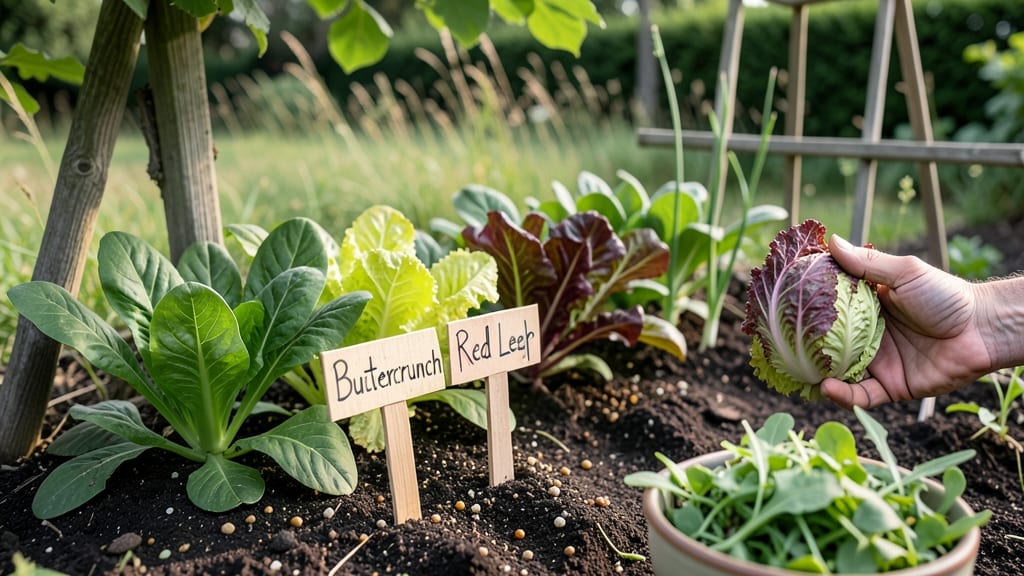
Garden lettuce types include crisphead (iceberg), loose-leaf (buttercrunch), romaine (cos), leaf (green leaf), and stem varieties like celery leaf, each offering distinct textures, flavors, and growth habits ideal for home gardens.
When choosing garden lettuce varieties, you're not just picking greens—you're selecting for texture, flavor intensity, and harvest timing that suit your garden's conditions. 🌱 Crisphead types like iceberg form tight heads and thrive in cooler weather, while loose-leaf varieties such as buttercrunch grow continuously, perfect for cut-and-come-again harvesting.
Romaine's upright stems make it ideal for salads, whereas leaf lettuces like green leaf offer a milder taste and faster growth, often ready in just 30-40 days. Stem varieties like celery leaf add a unique peppery kick and can handle warmer climates better than most.
For home gardeners, the right choice depends on your space and goals. Buttercrunch and romaine are excellent for continuous harvests, while iceberg delivers that satisfying crunch. I've found that planting a mix—especially in containers—lets you enjoy different flavors all season long.
Just remember: loose-leaf types handle heat better and often resist bolting longer than head varieties.
💡 In This Article
- Key Differences Between Lettuce Varieties
- Best Lettuce Types for Home Garden Success
Key differences between lettuce varieties
Lettuce varieties aren't just different in appearance—they're fundamentally distinct in how they grow and what they offer.
The most obvious difference lies in their growth patterns: head-forming varieties like crisphead (iceberg) develop tight, compact structures through a process called apical dominance, where the central growing point suppresses side shoot growth.
Meanwhile, loose-leaf types like buttercrunch grow continuously from multiple stems, creating a more open, sprawling plant that regenerates after harvesting outer leaves. This structural difference directly impacts flavor development—head varieties concentrate sugars as they mature, while loose-leaf types maintain a milder, more consistent taste profile.
The flavor spectrum varies dramatically too. Buttercrunch lettuce, for example, has a sweet, buttery taste with a crisp texture that's 80% water content—perfect for sandwiches. In contrast, romaine delivers a peppery bite thanks to its higher concentration of glucosinolates (natural compounds that give cruciferous veggies their sharpness).
Leaf lettuces like green leaf fall in the middle with a delicate, slightly bitter edge, while stem varieties such as celery leaf pack even more intensity with a celery-like aroma. 🌿 These chemical differences aren't just about taste—they also affect how each variety interacts with pests and diseases, with peppery types often being more resistant to aphids.
Harvest timing creates another critical distinction. Head varieties typically take 70-90 days to mature, while loose-leaf types can be ready in just 30-40 days. The reason? Head-forming lettuces allocate more energy to developing their dense structures, whereas loose-leaf types prioritize rapid leaf production.
This timing difference is why gardeners often plant successive crops—starting with fast-growing leaf lettuces, then transitioning to head varieties as temperatures drop.
The nutritional payoff is also interesting: mature head lettuces contain slightly more vitamin K (up to 120% DV per serving) than younger loose-leaf types, though the latter often have higher vitamin C levels due to their faster growth cycle.
Heat tolerance represents one of the most practical differences for home gardeners. Loose-leaf varieties like oakleaf can withstand temperatures up to 85°F before bolting (going to seed), while crisphead types bolt at just 75°F.
This physiological difference stems from their genetic adaptations—loose-leaf lettuces evolved in warmer climates where they needed to reproduce quickly, while head varieties developed in cooler regions where gradual maturation was advantageous.
For gardeners in hotter zones, this means choosing varieties with bolting resistance genes or using shade cloth to extend the growing season.
Even the way each variety stores nutrients differs. Head lettuces maintain their crispness and vitamin content for 5-7 days in the fridge, while loose-leaf types last only 3-4 days before wilting. The reason?
Head varieties have evolved to store water more efficiently in their compact structures, while loose-leaf types prioritize rapid nutrient uptake for quick growth.
This storage difference explains why many gardeners prefer growing loose-leaf varieties—they can be harvested gradually, ensuring a steady supply of fresh greens without the need for long-term storage.
One often-overlooked factor is how each variety responds to handling. Crisphead lettuces bruise easily due to their dense cell structure, while loose-leaf types are more resilient. This mechanical difference is why iceberg is typically sold pre-washed and packaged—its delicate cells can't withstand rough handling.
For home gardeners, this means being gentle when harvesting head varieties and considering loose-leaf types for more forgiving growing conditions. 🌱