
How To
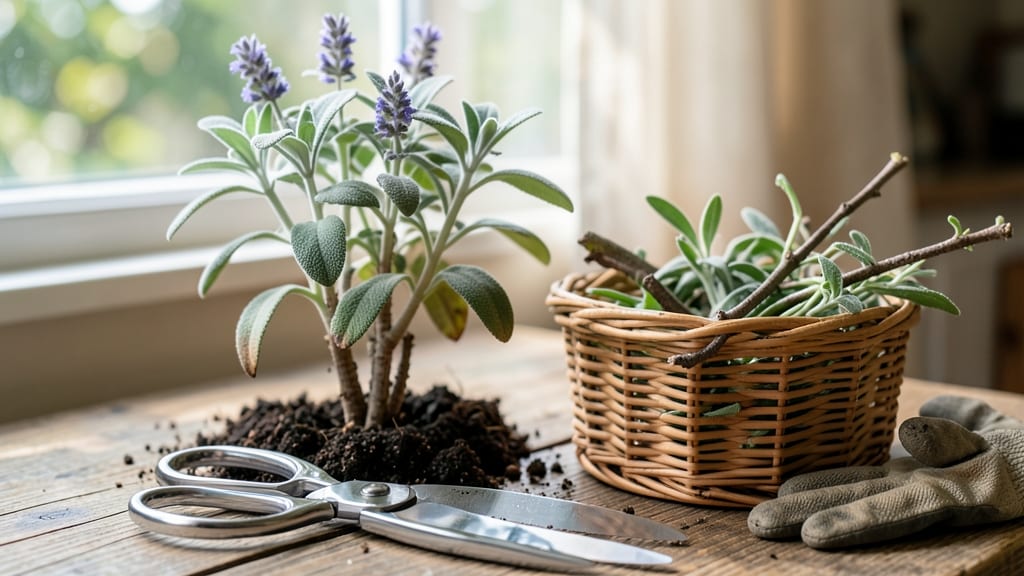
To harvest garden sage at its peak flavor, time your cuts just before flowering when the leaves are fully developed and fragrant 🌿 — a 30-second snip can mean the difference between potent seasoning and bland sprigs.
Picture this: you’ve nurtured your sage all season, and now it’s standing tall in your garden, ready to reward you with its signature earthy aroma. But harvest too late, and those vibrant green leaves turn bitter.
Too early, and you’re left with sparse, underdeveloped foliage. The trick? Knowing exactly when—and how—to cut ensures you get the most flavor without harming the plant.
Beyond timing, the way you harvest matters just as much. Whether you’re snipping fresh sprigs for a summer pasta or drying bundles for winter soups, the right technique keeps your sage bushy and productive.
Below, I’ll walk you through the best methods for cutting, storing, and even reviving over-harvested plants so you never run out of that rich, piney scent.
From avoiding woody stems to maximizing regrowth, you’ll discover the secrets to a year-round supply of garden-fresh sage. Ready to turn your harvest into a flavor-packed success? Let’s dive in.

Best time to harvest sage for maximum flavor and plant health
Timing is everything when harvesting garden sage—cut too early, and the leaves lack potency; wait too long, and the flavor fades or the plant weakens. The ideal harvest window spans late spring through early summer, just as the plant enters its peak growth phase but before flowering.
This ensures the strongest aromatic oils and prevents stressing your perennial.
In most climates, USDA Zone 6a and warmer, aim to harvest between June and September. However, if you live in cooler regions or experience early frosts, start harvesting as soon as the plant reaches 6-12 inches tall and shows signs of maturity.
The key is to act before the first buds appear, as flowering redirects the plant’s energy away from leaf production and flavor development.
Here’s the critical rule: Harvest sage when leaves are fully developed—typically 120-180 days after planting—but avoid cutting more than one-third of the plant at once. Over-harvesting can stunt regrowth and leave your sage vulnerable to pests or disease.
Think of it like trimming a bush: you want to encourage bushier, denser foliage for future harvests.
If you’re in a warmer climate (Zones 9-11), sage may grow year-round, but flavor peaks in spring and fall. In these regions, you can harvest every 4-6 weeks without stressing the plant, as long as you avoid cutting back more than one-third of the foliage at a time.
For cooler climates (Zones 3-6), focus on early summer harvests and protect your sage with mulch or row covers if frost threatens.
One of the easiest ways to tell if your sage is ready to harvest is to crush a leaf between your fingers. If it releases a strong, piney aroma, it’s prime for picking.
Another telltale sign is the size of the leaves: mature sage leaves should be 1-2 inches long and broad enough to cover the stem. If they’re still small or sparse, give your plant a few more weeks to grow.
For maximum yield, prioritize harvesting in the morning after dew has dried. This ensures the leaves are hydrated and at their peak flavor. Avoid harvesting after rain or in the late afternoon, as moisture can dilute the essential oils and make drying more difficult.
Pro tip: Use clean, sharp pruning shears or your fingers to snip stems just above a leaf node—this encourages new growth from that point.
Don’t forget to leave the lower third of the plant untouched during harvests. This prevents woody growth at the base and keeps your sage bushy. If you notice yellowing leaves or leggy stems, it’s a sign you’ve over-harvested.
In this case, pause harvesting for 4-6 weeks to let the plant recover. Healthy sage should bounce back with new growth within 2-3 weeks if given proper care.
For year-round harvests in temperate zones, extend the season by harvesting younger leaves in late summer or early fall. These won’t be as potent as spring growth, but they’re still usable for cooking or drying. Just avoid cutting into woody stems, as these won’t regrow as easily. With
Step-by-step guide to cutting sage without damaging the plant
Harvesting sage correctly ensures a bountiful harvest without weakening your plant. The key lies in selecting the right stems and using the proper cutting technique to promote bushier regrowth. For best results, focus on new growth while leaving older, woody stems intact—this keeps your sage thriving for years.
Start by identifying healthy stems with at least 3-4 sets of leaves. These are ideal for harvesting because they’re strong enough to support cutting while still being tender. Avoid harvesting more than one-third of the plant at once, as this can stress the sage and reduce future yields.
Use the right tools for the job: sharp pruning shears for thicker stems or clean scissors for delicate snipping. Never use dull tools, as they crush stems and invite disease. Always cut just above a leaf node or leaf junction to encourage new growth from that point.
✂️ How to Harvest Garden Sage: Step-by-Step
- 1 Choose mature stems with 3-4 leaf sets and a bright green color. Avoid stems with flowers or yellowing leaves.
- 2 Use clean, sharp shears or scissors to cut just above a leaf node. This encourages new growth from the remaining stem.
- 3 Harvest early in the morning when oils are most concentrated. Cut before flowering for the strongest flavor and aroma.
- 4 Leave older, woody stems intact to support the plant. These act as anchors while new growth emerges from pruned areas.
- 5 Space out harvests by 4-6 weeks to avoid over-pruning. This gives the plant time to recover and produce fresh, flavorful leaves.
One of the biggest mistakes gardeners make is over-harvesting in a single session. If you take too much at once, your sage may struggle to recover, leading to sparse regrowth. Instead, space out cuts and always prioritize healthier stems over quantity.
After harvesting, give your sage a light watering if the soil feels dry. This helps the plant bounce back faster. If you notice yellowing leaves or stunted growth after pruning, reduce future harvests and focus on fertilizing lightly with a balanced 10-10-10 mix to encourage recovery.
With the right technique, your sage will reward you with bushier growth and richer flavor for years. The key is patience—never rush the process, and always prioritize the plant’s long-term health over immediate yields.