
Tools
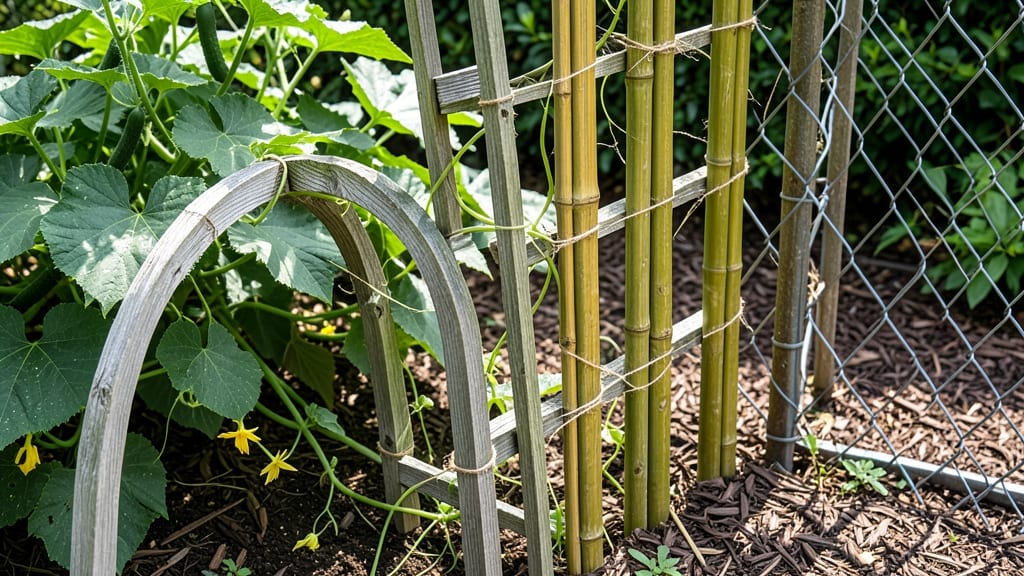
Transforming your garden bed with trellis ideas for climbing plants can double your growing space while adding vertical beauty 🌿—no matter how small your yard is.
Picture this: instead of sprawling vines crowding your flowerbeds, you’ve got neat, organized growth that draws the eye upward. The right trellis turns even a 6-foot bed into a lush, productive vertical garden—perfect for peas, cucumbers, or roses.
From simple obelisks to decorative arches, we’ll explore 10 space-saving designs that work in any garden, whether you’re DIY-savvy or just starting out. Materials like bamboo, metal, or repurposed wood make it easy to match your style and budget.
You’ll learn which trellises support heavy vines, how to anchor them for windy days, and which plants pair best for a thriving, eye-catching display. Let’s get growing!
10 Space-saving garden bed trellis designs for climbing plants
Transforming your garden into a vertical paradise starts with choosing the right trellis design for your climbing plants. Whether you have limited space or want to create a stunning focal point, these space-saving trellis ideas will help you maximize growth while keeping your garden organized.
From elegant arbor arches to practical teepee structures, each design offers unique benefits for different plant types and garden styles.
Climbing plants like cucumbers, beans, and roses thrive when given proper support, and a well-placed trellis can turn chaotic vines into a structured, eye-catching display. The key is selecting a trellis that matches your plant’s growth habits and your garden’s layout.
For example, sprawling pumpkins need sturdy lattice panels, while delicate clematis vines look stunning on arched trellises.
Comparison Table: Top 10 Garden Bed Trellis Designs
| Trellis Type | Best For | Plant Examples | Height Range | Installation Tips |
|---|---|---|---|---|
| Obelisk Trellis | Cucumbers, Pole Beans | 6-10 ft | Lightweight, freestanding | Use 4x4 posts for stability; plant at base |
| Teepee Trellis | Peas, Morning Glories | 3-6 ft | Bamboo stakes or wire mesh | Stake 3-5 poles in a circle; weave twine for support |
| Arched Trellis | Roses, Clematis | 6-12 ft | Wooden or metal arches | Anchor posts deep into soil; plant near base |
| Lattice Panels | Pumpkins, Grapes | 4-8 ft | Attach to fences or walls | Use heavy-duty lattice for weight-bearing plants |
| Spiral Trellis | Squash, Malabar Spinach | 5-10 ft | DIY with PVC pipes | Wind twine around pipe for climbing path |
| Fan Trellis | Grapes, Kiwi | 8-15 ft | Freestanding or attached | Use horizontal wires for grape training |
| A-Frame Trellis | Pole Beans, Peas | 4-7 ft | Wooden or metal frames | Plant seeds at base; train vines up sides |
| Tower Trellis | Cucumbers, Melons | 6-12 ft | Square or round towers |
How to choose the best trellis material and structure for your gardenSelecting the right trellis material and structure can make or break your vertical gardening success. The wrong choice might collapse under heavy climbing plants like wisteria or cucumbers, while the perfect one will elevate your garden’s design and productivity. Let’s break down the best options to match your garden’s needs and plant types. Your trellis must balance durability, aesthetics, and weight-bearing capacity. For example, a freestanding trellis works well for heavy vines like grapevines, while an attached trellis might suit lightweight flowering plants like clematis. Let’s explore the top materials and structures to help you decide. Trellis Material ComparisonWoodPros: Natural look, customizable, eco-friendly. Cons: Requires sealing, can rot over time. Best for: Heavy vines, rustic gardens. MetalPros: Durable, rust-resistant, modern style. Cons: Can get hot in sun, less eco-friendly. Best for: Urban gardens, long-term use. PlasticPros: Lightweight, affordable, low maintenance. Cons: Less sturdy, can fade in sun. Best for: Lightweight plants, temporary setups. BambooPros: Sustainable, strong, natural aesthetic. Cons: Needs protection from moisture, limited sizes. Best for: Tropical gardens, lightweight vines. When choosing a trellis structure, consider whether it’s freestanding or attached. A freestanding trellis, like a teepee or obelisk, works well for heavy vines or edible plants like cucumbers or pole beans. These structures distribute weight evenly, preventing collapse as your plants grow. For small gardens or space-saving designs, an attached trellis—like a lattice panel or archway—can maximize vertical space without taking up extra room. These are ideal for lightweight climbers like morning glories or jasmine and can be mounted on fences, walls, or garden beds. Don’t forget to consider weight-bearing capacity. If you’re growing heavy vines like grapevines or hops, opt for materials like metal or thick wood to ensure stability. For lighter plants, bamboo or plastic trellises can work beautifully while keeping costs low. Match your trellis material and structure to your garden’s aesthetic and functional needs. Whether you prioritize durability, cost-effectiveness, or visual appeal, the right choice will transform your garden into a thriving vertical oasis. 🌿 |