
Shrubs
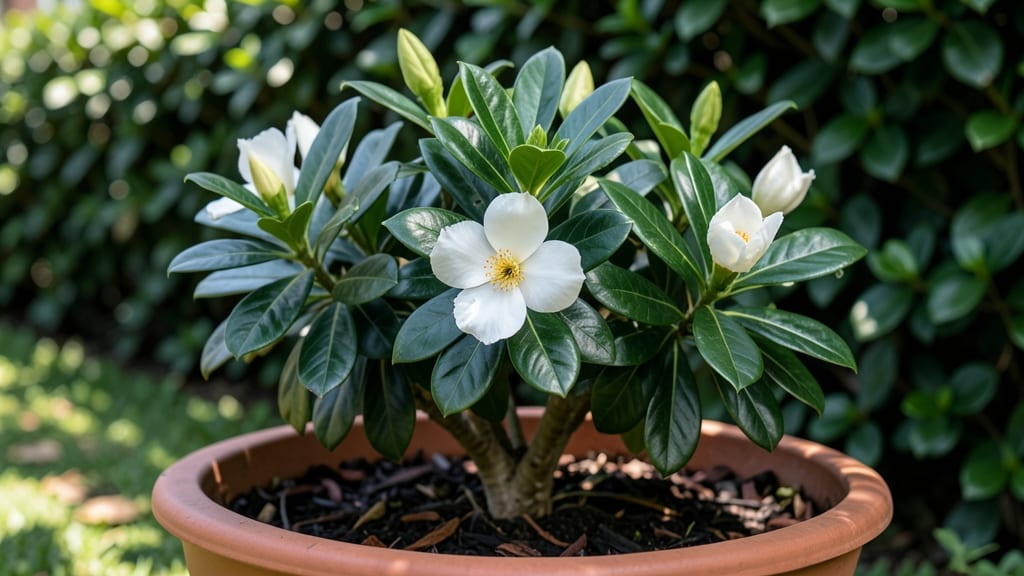
A full grown gardenia bush 🌸 can reach 6 feet tall and become the fragrant centerpiece of your garden—but only if you prune it right.
Nothing beats the intoxicating scent of a gardenia in bloom, but without the right cuts, your bush will struggle to produce those signature white flowers. The key? Pruning at the right time and with the right technique to encourage continuous blooms and lush growth.
In this guide, I’ll walk you through the exact steps to prune your gardenia for year-round fragrance, including when to trim, what tools to use, and how to avoid common mistakes that kill blooms. Whether you’re dealing with leggy stems or sparse flowers, these secrets will keep your gardenia thriving.
You’ll also discover how to adjust your care based on the season—from summer feeding to winter dormancy—and which gardenia varieties need the least maintenance. Let’s get started!
When and how to prune a full grown gardenia bush for maximum blooms
A full grown gardenia bush can reach 4-6 feet tall and spread just as wide, but without proper pruning, its fragrant blooms will dwindle. The key is timing—prune at the right season and with the correct techniques to encourage lush growth and continuous fragrance.
Gardenias bloom on new wood, so strategic cuts stimulate fresh growth where flowers will form next season.
Most gardeners make two critical pruning mistakes: cutting too late in the year or removing too many stems at once. These errors stress the plant and reduce blooming potential. Instead, focus on light shaping cuts after flowering and rejuvenation pruning every 2-3 years to maintain a compact, bushy form.
The goal is to balance air circulation with dense foliage for maximum fragrance.
🌸
Step-by-Step Pruning Guide for Gardenia Blooms
-
Step 1: Choose the Right Season
Prune immediately after flowering (late spring/early summer) to encourage new growth for next year's blooms. Avoid pruning in fall or winter when the plant is dormant. -
Step 2: Gather Your Tools
Use clean, sharp bypass pruners (sterilized with rubbing alcohol) and hand pruners for smaller stems. Disinfect tools between cuts to prevent disease spread. -
Step 3: Remove Dead or Damaged Wood
Cut out dead branches, crossing stems, and weak growth first. These cuts won’t affect blooming but improve plant health. -
Step 4: Thin Out Overcrowded Areas
Look for overlapping branches and remove 1/3 of the oldest stems to improve air flow. Focus on inner branches that receive little light. -
Step 5: Shape Lightly for Fullness
Trim back 1/4 of the current season’s growth to encourage bushier growth. Avoid heavy pruning—gardenias respond best to gentle shaping. -
Step 6: Clean Up and Fertilize
Remove all pruned debris from the area. Apply a balanced acid fertilizer (10-10-10) to support new growth. Water deeply afterward.
For mature gardenias over 5 years old, consider a rejuvenation pruning every 2-3 years. This involves cutting back 1/3 of the oldest stems to their base in late winter or early spring.
This drastic measure stimulates vigorous new growth and often results in larger, more abundant blooms the following season.
Always prune just above a leaf node or bud at a 45-degree angle. Avoid leaving stubs, as they can rot and attract pests. If you’re unsure where to cut, look for the small bump where a leaf or bud emerges—this is your target spot for the cleanest cut.
After pruning, monitor your gardenia for new growth within 4-6 weeks. Healthy stems should appear green and firm, not yellow or mushy. If you notice wilting or browning, reduce watering temporarily and check for pests like spider mites, which thrive on stressed plants.
🪴
One common mistake is pruning too aggressively to encourage blooms. Gardenias are sensitive to over-pruning, which can lead to fewer flowers and leggy growth. Instead, focus on selective thinning and shaping to maintain a natural, balanced form.
Remember, the goal is to stimulate new wood, not strip the plant of its energy.
If your gardenia hasn’t bloomed well this year, it might need a light feeding after pruning. Use a low-nitrogen, high-phosphorus fertilizer (like 8-3-9) to promote flowering. Apply it to the soil surface, then water deeply to help the roots absorb the nutrients.
Avoid fertilizing in fall or winter, as the plant is dormant and won’t benefit.
Finally, mulch around the base of your gardenia after pruning to retain moisture and regulate soil temperature. Use organic mulch like pine bark or shredded leaves, keeping it 2-3 inches away from the trunk to prevent rot.
This simple step can double your blooming success by reducing stress on the plant.
✂️
Common pruning mistakes that kill gardenia fragrance (and how to Fix them)
Your full grown gardenia bush might look healthy, but if its fragrance is fading, pruning mistakes could be the culprit. Gardenias are delicate—overzealous cuts or wrong timing can stunt blooms and weaken scent production.
The key is understanding what your plant needs to thrive while avoiding common pitfalls that gardeners often overlook.
One of the biggest mistakes is pruning at the wrong time of year. Gardenias bloom on old wood, meaning last year’s growth produces this year’s flowers.
Cutting back too aggressively in late winter or early spring removes potential bloom sites. Even light pruning should wait until after flowering to preserve next season’s scent.
⚠️ callout-warning ⚠️
Removing more than 1/3 of the plant in one session stresses gardenias and reduces blooms by 50% or more. Full grown gardenia bushes need gradual shaping—never drastic cuts. If your plant looks sparse after pruning, it’s likely suffering from over-pruning shock.
🔹 Fix: Stop pruning immediately and focus on fertilizing with acid-loving plant food to encourage regrowth.
Another frequent error is using dull or dirty pruning shears. Ragged cuts expose the plant to diseases like bacterial blight, which turns leaves yellow and kills blooms.
Always sterilize shears with rubbing alcohol and make clean cuts at a 45-degree angle just above a leaf node to promote healing and new growth.
Improper cutting techniques also harm fragrance. Avoid topping (cutting the top flat) or leaving stubs—both practices invite pests and weaken the plant. Instead, prune selective branches that cross or grow inward, ensuring each cut removes only what’s necessary for airflow and light penetration.
Seasonal timing is critical too. Pruning in fall or winter removes potential bloom buds, while summer pruning can stress the plant during its peak growing season.
The best time is late spring or early summer, right after the main flowering cycle, to shape the bush without sacrificing next year’s scent.
If your gardenia’s fragrance has already faded, don’t despair. Start by reducing pruning and focus on watering deeply (1-2 gallons per plant) and using acidic fertilizer (pH 5.0-6.5). Mulch with pine bark to retain moisture and improve soil acidity, which gardenias crave for optimal bloom production.
With the right pruning approach—timing, technique, and moderation—your full grown gardenia bush will reward you with abundant, fragrant blooms for years to come. 🌸