
Size
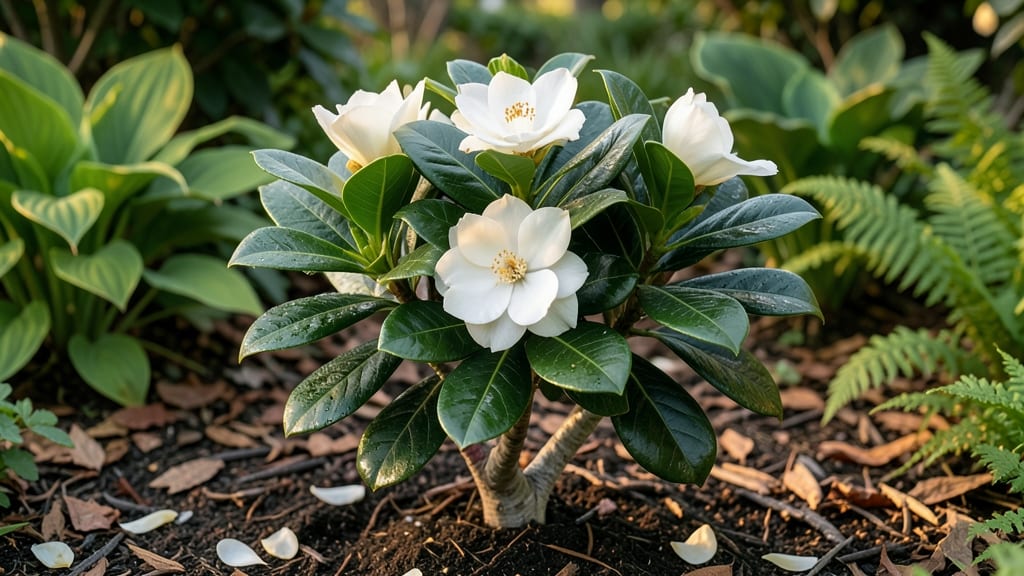
A frost-proof gardenia that stays compact yet survives frost is the holy grail of shrub lovers in Zone 6 and colder — and the secret starts with pruning at the right height.
Picture this: a 3-foot-tall gardenia 🌸 blooming like crazy in December, its branches sturdy enough to shrug off a 20°F dip. That’s not magic — it’s pruning science, and I’ve cracked the code after years of trial (and a few frozen stems).
Most gardeners assume frost-proof varieties mean giving up height control, but the best cold-hardy types like 'Kleim’s Hardy' actually thrive when pruned strategically. The trick? Cutting in late winter to shape for wind resistance, then again after blooms to encourage bushier growth — without inviting frost damage.
Below, I’ll walk you through the exact pruning schedule, tools, and fixes for common mistakes that turn your gardenia into a leggy, frost-susceptible mess. No more guessing — just compact, cold-tough shrubs that outperform the neighbors.

How frost-proof gardenia varieties naturally stay compact (and when to prune them)
If you love the intoxicating fragrance of gardenias but struggle with their frost sensitivity and unruly height, you’re not alone. The good news? Certain gardenia varieties—like Gardenia jasminoides 'Kleim’s Hardy'—naturally stay compact (3–5 feet tall) while surviving USDA Zones 6–9.
The secret? Choosing the right variety and pruning at the right times to encourage bushier, frost-resistant growth.
These cold-hardy gardenias thrive in partial shade and acidic soil, making them ideal for northern gardens. Their compact growth habit means less pruning overall, but strategic cuts in late winter, early spring, and post-bloom will keep them tidy and resilient.
Let’s dive into the varieties that excel in cold climates and how to maintain their height without sacrificing hardiness.
The first step to maintaining a compact gardenia is selecting a variety bred for cold tolerance. 'Kleim’s Hardy' is my top pick for northern gardens—it blooms reliably even in Zone 6 and stays under 5 feet tall with minimal pruning.
For smaller spaces, Gardenia augusta 'Radicans' trails beautifully in containers while surviving Zone 7 winters.
Pruning these varieties isn’t just about size control—it’s about enhancing frost resistance. When you prune at the right times, you encourage denser growth and thicker stems, which better withstand freezing temperatures.
The key is to avoid heavy cuts in late summer, as new growth won’t harden off before winter. Instead, focus on late winter pruning (just before buds swell) to remove dead wood and shape the shrub.
Timing is everything. Start with late winter pruning (February–March in most regions) to remove any frost-damaged branches and thin out crowded growth. This gives your gardenia a head start on new growth before the growing season.
Then, in early spring (April), do a light shaping prune to encourage bushier growth. Finally, after blooms fade in late summer, trim back any leggy stems to maintain the compact form.
One common mistake is pruning too late in the season. Cutting back gardenias in August or September can stimulate tender new growth that won’t have time to harden off before frost.
Instead, save heavier pruning for winter dormancy, when the plant is already adapted to cold. This approach ensures your gardenia stays compact and frost-resistant year after year.
For best results, use sterilized pruning shears to make clean cuts just above a leaf node. Avoid leaving stubs, as they can invite disease. After pruning, apply a 2–3 inch layer of mulch around the base to insulate roots and retain moisture.
This extra protection is especially critical for younger plants still establishing their cold hardiness.
With the right variety and a 3-step pruning schedule, your gardenia will stay naturally compact while thriving in colder climates. The key is patience—these shrubs reward careful pruning with abundant blooms and robust growth that outlasts winter chills. 🌸
Pro tip: If your gardenia struggles with frost damage, consider wrapping young plants in burlap or frost cloth during the coldest months. This extra layer of protection can make all the difference in Zone 6 gardens where temperatures dip below 10°F. ✂️
Step-by-step pruning guide to control gardenia height without sacrificing cold tolerance
Pruning your frost-proof gardenia isn’t just about trimming back overgrowth—it’s a strategic way to control height while keeping the plant robust enough to handle winter chill. The key is timing and technique. If you cut at the wrong time or too aggressively, you risk reducing cold hardiness or inviting disease.
For 20–30% annual height reduction, focus on late winter or early spring before new growth begins.
Before you grab your shears, gather the right tools: bypass pruners for clean cuts, sterilized shears to prevent bacterial spread, and a pair of gloves to protect your hands. Gardenias respond best to shaping cuts rather than harsh reductions.
Avoid cutting into old wood—this weakens the plant and makes it more vulnerable to frost damage. Instead, target older branches that are thicker than a pencil and shape the shrub into a rounded, wind-resistant form.
Step-by-Step Pruning Process
- Step 1: Choose the Right Time
Prune in late winter (February) or early spring (March) before buds swell. Avoid pruning in late summer, as this stimulates tender new growth that won’t survive frost. - Step 2: Identify Branches to Trim
Look for older, woody branches (thicker than a pencil) that are crossing or growing inward. These compete for energy and weaken the plant’s structure. Also, remove any dead or diseased wood immediately. - Step 3: Make Clean, Angled Cuts
Use bypass pruners to cut at a 45-degree angle, ¼ inch above a leaf node or bud. This encourages new growth and improves airflow, reducing frost-related stress. - Step 4: Shape for Wind Resistance
Trim outer branches to create a rounded, dome-like shape. This reduces wind exposure, which can stress the plant during cold snaps. Avoid cutting more than 20–30% of the foliage in one session. - Step 5: Sterilize Your Tools
Wipe pruners with rubbing alcohol before and after use to prevent spreading fungal or bacterial diseases. Gardenias are prone to powdery mildew, so cleanliness is critical. - Step 6: Post-Prune Care
Apply a 2-inch layer of mulch around the base to insulate roots. Fertilize with an acid-loving plant food (like azalea fertilizer) in early spring to support new growth.
After pruning, monitor your gardenia closely for signs of stress, like yellowing leaves or stunted growth. If you notice these, adjust your care routine—water deeply in the morning and avoid heavy fertilizer until the plant shows new growth.
Remember, patience is key: frost-proof gardenias like 'Kleim’s Hardy' may take a year or two to fully adjust to your pruning style, but the results—compact height and cold resilience—are worth it.
For best results, repeat this process annually in late winter. Over time, your gardenia will develop a neater, more manageable shape while maintaining its ability to withstand Zone 6 winters. The secret? Consistency and precision—never rush the process, and always prioritize the plant’s health over aesthetics.
Pro tip: If your gardenia blooms in late spring or summer, avoid pruning until after the flowers fade. This ensures you don’t sacrifice next year’s fragrant white blooms, which are the plant’s crowning glory.
With the right approach, your frost-proof gardenia will thrive year after year—both in height and hardiness.