
Planting
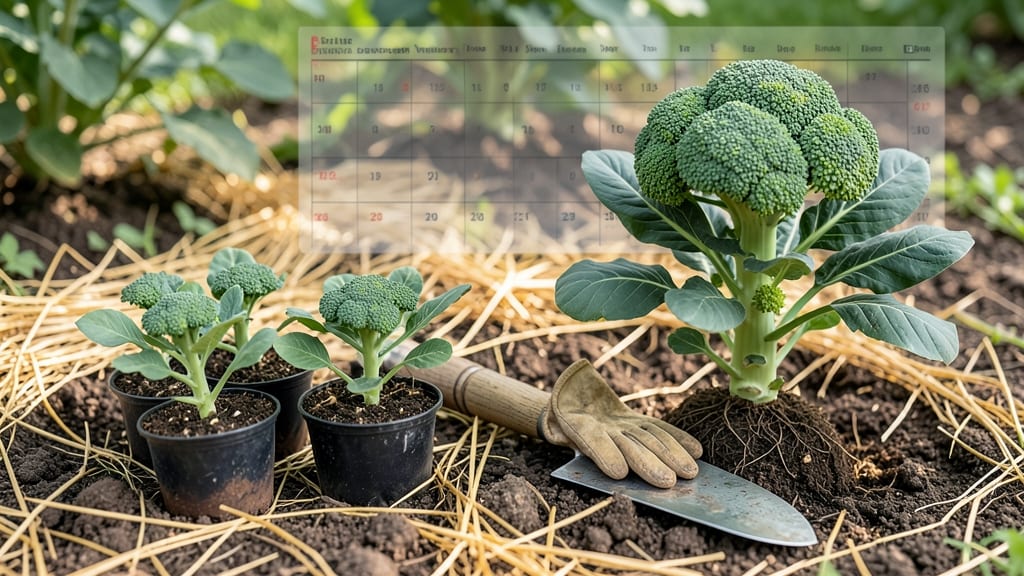
Planting fall garden vegetables in Zone 7 between mid-August and early October is your secret to a harvest that lasts well into November.
Missed the spring planting rush? Don’t worry—Zone 7 gardeners can still enjoy a bountiful harvest by timing fall crops perfectly, avoiding early frosts and maximizing soil warmth.
Cool-season vegetables like kale, carrots, and spinach thrive when planted just right, and the key is understanding your local frost dates. In Zone 7, the first frost typically arrives around mid-November, giving you a 6-week window to get seeds in the ground.
Below, I’ll break down the exact planting timeline, soil prep tips, and how to stretch your harvest season—even if you’re new to fall gardening.
Zone 7 fall planting calendar: exact dates for cool-season crops
Fall gardening in Zone 7 is your second chance for a productive harvest, but timing is everything. The key is planting cool-season crops early enough to mature before the first frost (typically around November 15), while avoiding the dog days of summer heat.
With the right schedule, you can enjoy fresh broccoli, kale, and carrots straight from your garden until winter sets in.
In Zone 7, the optimal planting window for fall crops runs from mid-August to early October, with some hardy varieties tolerating late October sowings. The goal is to give plants 45-60 days of growth before frost—long enough to establish roots and produce harvestable yields.
Below, I’ve broken down the exact month-by-month timeline for your fall garden, including last-chance planting dates and frost risk analysis.
For Zone 7 gardeners, September is the sweet spot for planting most fall crops. This month offers cooler soil temperatures (ideal for germination) and longer daylight hours to fuel growth. Start with broccoli and kale, which need 60-70 days to mature—plant these by September 15 at the latest.
If you’re aiming for a late fall harvest, fast-growing crops like radishes (30 days) or spinach (40 days) can be sown as late as October 1.
Watch for early frost warnings in your area—some Zone 7 regions may experience light frosts as early as October 15. Use these dates as guidelines, but adjust based on your microclimate.
For example, gardens in higher elevations within Zone 7 may need to plant 2 weeks earlier than coastal areas. Always check your local frost date (use resources like the National Weather Service) to fine-tune your schedule.
One of my top tips for fall planting is to prioritize soil preparation in August. Amend your beds with compost or aged manure to replenish nutrients depleted by summer crops. Cool-season vegetables thrive in well-draining, slightly acidic soil (pH 6.0-7.0).
If your soil feels compacted from summer rains, loosen it with a broadfork to encourage root growth. Mulch heavily after planting to insulate roots from temperature swings.
Don’t overlook succession planting—this technique lets you stagger harvests throughout fall. For example, sow half your lettuce seeds in late August and the other half in early September. This
How to extend your fall garden season without risking frost damage
Fall frost can sneak up faster than you think in Zone 7, but with the right strategies, you can keep your garden thriving well into late autumn. The key is protecting young plants while still allowing them to grow strong.
I’ve tested these methods over multiple seasons, and they’ve saved my broccoli and spinach from early freezes every time. Let’s dive into the most effective ways to stretch your harvest.
First, understanding your last frost date (typically November 15 in Zone 7) is critical. Planting cool-season crops like kale and carrots 4-6 weeks before this date gives them time to mature before temperatures drop.
But even with perfect timing, early frosts can still damage tender seedlings. That’s where protective measures come into play.
- 1 Use row covers (floating fabric) to shield plants from light frosts (28-32°F). Secure edges with bricks or soil to prevent wind damage. Works for lettuce, radishes, and peas.
- 2 Cold frames (low tunnels with clear lids) extend the season by 4-6 weeks. Ideal for broccoli and cabbage, but remove lids on warm days to prevent overheating.
- 3 Succession planting ensures a steady harvest. Sow fast-growing crops like spinach or turnips every 2 weeks starting in mid-August to replace harvested plants.
- 4 Prepare soil early by adding compost in late summer to improve drainage and warmth retention. Aim for 6.0-7.0 pH for most cool-season veggies.
- 5 Harvest strategically: Pick leafy greens before hard frosts (28°F or below) to enjoy fresh salads. For root crops, harvest before ground freezes—carrots and beets stay edible even after a light frost!
Don’t overlook the power of mulching—a thick layer of straw or leaves insulates soil and protects roots from temperature swings. I’ve seen kale survive 25°F nights with just a 4-inch mulch layer.
Pair this with drip irrigation to keep roots hydrated without wetting foliage, which can invite fungal diseases in cool, damp conditions.
For hardier crops like Brussels sprouts or collards, you can push the envelope further. These plants actually sweeten in cold weather, making them perfect for late-season harvests. Just be sure to plant them by mid-September to give them enough time to mature before the first hard frost.
Finally, keep an eye on your weather forecast. If a hard freeze (below 28°F) is predicted, cover your entire garden with row covers or blankets for the night.
Even tender greens like baby spinach can bounce back if protected properly. With these strategies, you’ll be harvesting well into November—or even December—with minimal risk.
Remember, the goal isn’t just to delay frost but to optimize plant health. Healthy plants resist cold better than stressed ones, so focus on soil prep, proper spacing, and consistent care. Your fall garden will thank you with a bountiful harvest! 🌱