
Light Requirements
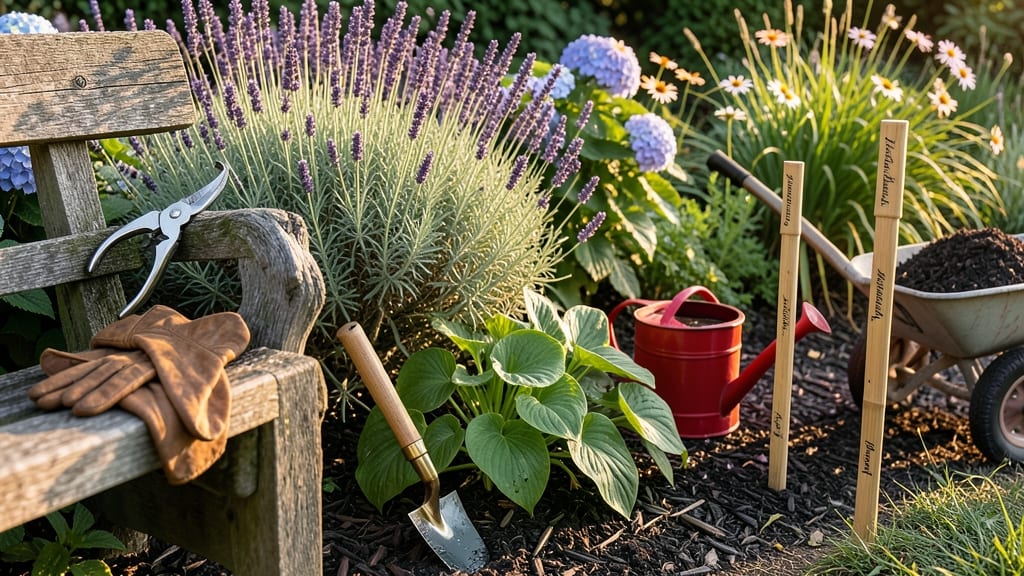
To find expert gardeners near you, start with verified platforms like Angie’s List or Houzz, then check local directories and regional horticultural societies for certified professionals specializing in plant care and landscape design. Always confirm credentials and client reviews before hiring.
Finding a skilled gardener shouldn’t feel like guesswork. 🌱 Local directories and online platforms make it easier to connect with professionals who understand your region’s climate and soil conditions. For instance, horticultural societies often list certified experts who’ve completed rigorous training in plant health, pest management, and sustainable practices.
I’ve seen firsthand how these credentials translate to healthier gardens—whether you’re reviving a struggling lawn or designing a pollinator-friendly landscape.
What sets truly expert gardeners apart is their ability to diagnose issues quickly and recommend tailored solutions. 🌿 A good gardener doesn’t just follow generic advice; they ask about your specific plants, sunlight exposure, and long-term goals.
That’s why I always suggest reviewing before-and-after photos or asking for references from past clients. It’s the best way to ensure you’re getting someone who can handle everything from pruning fruit trees to troubleshooting fungal diseases.
💡 In This Article
- How to Verify Expert Gardener Credentials Locally
- Top Platforms to Find Trusted Local Gardeners
How to verify expert gardener credentials locally
Credentials matter because they signal a gardener’s depth of knowledge and commitment to best practices. 🌿 For example, a Certified Professional Horticulturist (CPH) through the American Society for Horticultural Science has completed rigorous coursework in plant science, pest management, and sustainable landscaping—far beyond what a general gardening certification offers.
These professionals often specialize in areas like organic gardening, native plant restoration, or arboriculture, which can make all the difference for complex projects like reviving a dying oak tree or designing a drought-resistant garden.
Local licensing boards often maintain databases of certified arborists and landscape designers.
In states like California, the California Licensed Landscape Contractors Association requires applicants to pass exams covering soil science, irrigation systems, and construction codes—knowledge that becomes critical when planning a backyard renovation. 🌱 You can typically verify these credentials through state agricultural departments or professional associations.
For instance, the International Society of Arboriculture (ISA) offers a Certified Arborist designation that includes ongoing education requirements, ensuring your gardener stays current with the latest techniques in tree care.
Online portfolios and client testimonials provide real-world proof of a gardener’s expertise.
Look for before-and-after photos of projects similar to yours, such as a 500-square-foot vegetable garden transformed into a high-yield organic plot or a 1,000-square-foot lawn rejuvenated with native grasses. 💫 A credible gardener will also share case studies, like how they resolved a phytophthora root rot issue in a client’s azaleas or designed a rainwater harvesting system that cut water usage by 40%.
These details demonstrate not just technical skills but also problem-solving abilities tailored to your specific needs.
Specializations can be a game-changer for unique gardening challenges.
For example, if you’re dealing with acid-loving plants like blueberries or hydrangeas, you’ll want a gardener certified in soil pH management. 🌿 Or if your yard is prone to deer or rabbit damage, seek someone with experience in wildlife deterrent strategies.
Many regional horticultural societies, like the Pacific Northwest Native Plant Society, offer directories of members with these niche skills, ensuring you find an expert who truly understands your local ecosystem.
Don’t overlook the power of peer recommendations from trusted sources.
Local garden centers, farmers’ markets, and even your neighbors can point you toward gardeners who’ve delivered exceptional results. 🌱 For instance, a Master Gardener volunteer through your county extension office often has hands-on experience solving common plant health issues—like diagnosing a yellowing leaf pattern that could signal nutrient deficiency, fungal infection, or even poor drainage.
These volunteers typically undergo 50+ hours of training and are a cost-effective way to get expert advice for smaller projects.
When reviewing credentials, pay attention to the date of certification—some programs require renewal every 3-5 years with continuing education. 💫 A gardener whose last certification was in 2018 might not be up-to-date on integrated pest management (IPM) techniques or the latest drought-resistant plant varieties.
Always ask for proof of active membership in professional organizations, as this indicates ongoing commitment to the field.