
Plants
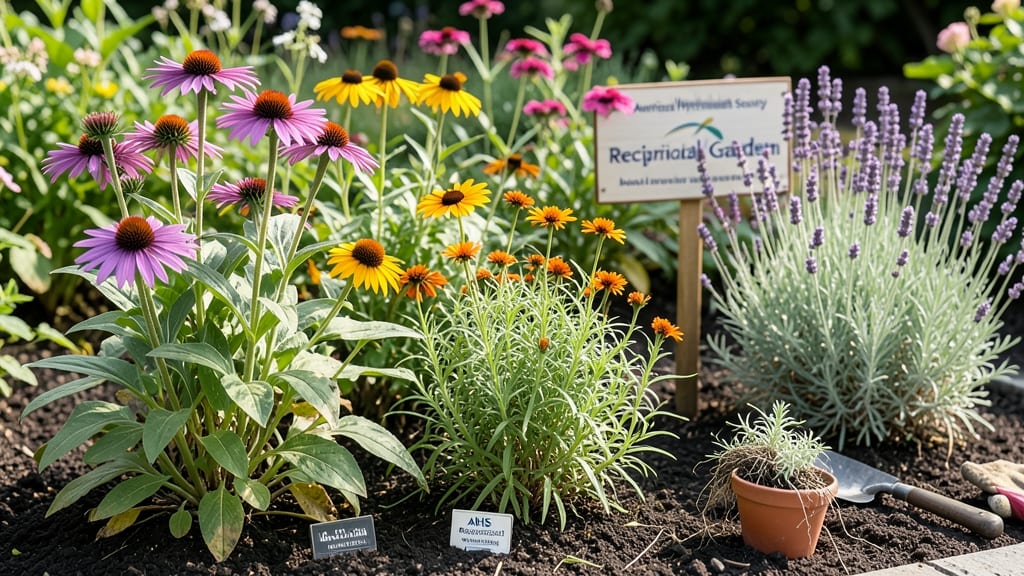
The American Horticultural Society Reciprocal Garden Network connects gardeners nationwide to trade plants, share gardening knowledge, and access rare varieties through organized regional partnerships.
The American Horticultural Society (AHS) Reciprocal Garden Network operates through local chapters that coordinate plant swaps, educational workshops, and resource-sharing. 🌱 Each region maintains a catalog of available plants—from heirloom vegetables to native perennials—so members can request specific varieties that thrive in their climate.
This system not only reduces costs but also helps preserve biodiversity by spreading rare or endangered plants. For example, a gardener in Arizona might trade a drought-resistant succulent for a cold-hardy shrub from Maine, both benefiting from the exchange.
What sets this network apart is its emphasis on community-driven horticulture. Members gain access to expert advice, seasonal planting guides, and even tools through shared resources. Whether you're a beginner or a seasoned grower, the network provides structured opportunities to learn from others' successes—and mistakes.
The AHS even offers standardized protocols to ensure healthy plant transfers, minimizing disease risks during exchanges.
💡 In This Article
- How the AHS Reciprocal Garden Network Facilitates Plant Exchange
- Top Benefits of Joining the AHS Reciprocal Network for Gardeners
How the AHS reciprocal garden network facilitates plant exchange
The AHS Reciprocal Garden Network operates through a structured system of over 200 regional chapters across the U.S., each serving as a hub for plant swaps and horticultural collaboration.
Members join through their local chapter, which typically requires a modest annual fee (often $25-$50) that includes access to the network's digital catalog and seasonal events.
This catalog is the backbone of the exchange system—it's a searchable database where gardeners list plants they're willing to share, complete with details like maturity stage, hardiness zone compatibility, and propagation instructions.
The exchange process begins with a spring and fall swap season, when chapters organize in-person events or coordinate mail exchanges. For example, a gardener in Zone 5 might request a cold-hardy peony division from a chapter in Zone 4, while offering drought-tolerant lavender in return.
The AHS provides standardized protocols to ensure healthy transfers, including guidelines for pest inspection and proper packaging. Chapters also maintain a plant health certification system, where experienced members verify that shared plants are free from diseases like powdery mildew or root rot before exchange.
Technology plays a key role in modernizing this traditional practice. Many chapters now use online platforms to match gardeners with specific plant needs, reducing waste and increasing efficiency.
For instance, the New England AHS chapter implemented a QR code system where members can scan plants in their garden to instantly see which varieties are most requested in their region.
This data-driven approach helps identify gaps in local plant diversity, like a shortage of native pollinator-friendly species, and directs exchanges to fill those needs.
What makes this system particularly effective is the AHS's role in standardizing best practices. They provide regional planting calendars that align with each chapter's climate, ensuring plants are exchanged at optimal times for survival.
For example, bare-root perennials should be swapped in late winter or early spring when they're dormant, while seed exchanges happen in late summer to preserve viability. The organization also offers webinars on propagation techniques, like layering for raspberries or dividing hostas, which members can apply immediately to their shared plants.
The network's success lies in its balance between tradition and innovation. While the core concept of plant sharing dates back to colonial times, today's system incorporates modern tools like soil pH testing kits (distributed through chapters) and digital plant identification apps.
This hybrid approach makes it accessible for both traditionalists who prefer hands-on swaps and tech-savvy gardeners who want to maximize their participation through data. The result is a living, evolving ecosystem where every exchange contributes to both individual gardens and the broader horticultural community.