Fertilization
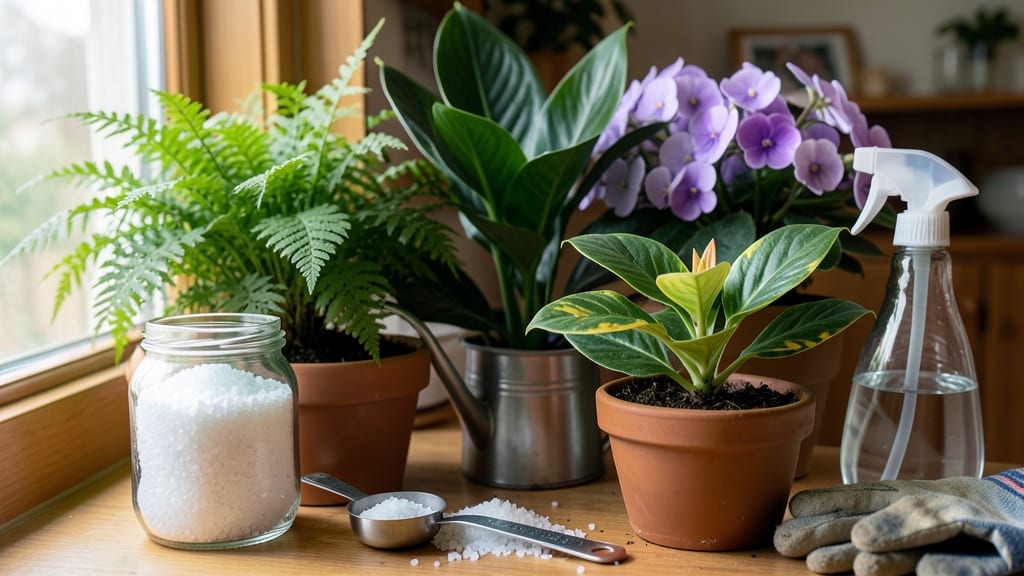
An Epsom salt garden thrives when you add this simple mineral to your care routine—it’s the fast, natural way to unlock bigger blooms and stronger stems without synthetic fertilizers.
Picture this: your tomatoes are flowering but not fruiting, your peppers stay small, or your lawn looks dull despite your best efforts. Those are classic signs your plants are begging for magnesium, and Epsom salt delivers it in seconds for faster results.
Beyond just fixing deficiencies, this garden hack works for everything from vegetable crops to ornamental flowers, and it’s so easy you’ll wonder why you didn’t try it sooner. No fancy equipment needed—just a sprinkle or a spray.
In this guide, I’ll show you exactly how much to use, when to apply it for the biggest impact, and which plants will respond the most. Ready to grow like never before?
How Epsom salt boosts plant growth: science-backed benefits for gardens
If your garden is struggling with yellowing leaves, stunted growth, or weak blooms, Epsom salt might be the simple solution you need. This unassuming mineral—made of magnesium sulfate—works wonders by addressing hidden nutrient deficiencies.
Unlike synthetic fertilizers, Epsom salt provides magnesium and sulfur in a form plants absorb quickly, making it a gardener’s secret weapon for lush foliage and vibrant flowers.
Magnesium is the heart of chlorophyll, the green pigment that helps plants convert sunlight into energy. When magnesium levels drop, leaves turn yellow between veins—a classic sign of deficiency. Sulfur, the second key ingredient, supports protein production and enzyme activity, ensuring plants grow strong and healthy.
Together, these nutrients create a powerhouse for photosynthesis, helping your garden thrive even in less-than-ideal conditions.
🌱
| Benefit | How It Works | Best For | Signs of Deficiency |
|---|---|---|---|
| Boosts Chlorophyll | Magnesium activates chlorophyll, improving photosynthesis and leaf color. | Leafy greens, herbs, and vegetables | Yellowing between leaf veins |
| Enhances Flowering | Supports nutrient uptake for bigger, brighter blooms and stronger stems. | Tomatoes, roses, peppers, and petunias | Small, weak flowers or slow blooming |
| Strengthens Roots | Sulfur and magnesium improve root development and nutrient absorption. | Seedlings, young plants, and lawns | Stunted growth or weak stems |
| Prevents Nutrient Lockout | Helps plants absorb other nutrients like nitrogen, phosphorus, and potassium. | Citrus trees, peppers, and eggplants | Purple or brown leaf edges |
| Revives Stressed Plants | Quickly replenishes magnesium in plants recovering from transplant shock or drought. | Houseplants, newly transplanted shrubs | Wilting or crispy leaf edges |
One of the most impressive benefits of Epsom salt is its ability to revitalize flowering plants. If your tomatoes, roses, or peppers are producing fewer blooms than expected, a magnesium boost can trigger more abundant flowering.
The sulfur in Epsom salt also plays a role in protein synthesis, which is crucial for developing strong stems and vibrant petals. For example, roses treated with Epsom salt often produce larger, more fragrant blooms and stay healthier longer.
Vegetable gardens also see dramatic improvements when Epsom salt is applied correctly. Leafy greens like spinach and kale respond quickly to magnesium by developing deeper green leaves and faster growth. Even fruit-bearing plants like tomatoes and peppers benefit from improved nutrient uptake, leading to bigger, juicier produce.
I’ve seen firsthand how a simple foliar spray of Epsom salt can turn a struggling tomato plant into a fruit-producing powerhouse within weeks.
For lawns, Epsom salt acts as a natural soil amendment that enhances grass health. When applied in early spring, it helps grass recover from winter stress and develop a richer green color.
The magnesium also strengthens the grass’s resistance to pests and diseases, making your lawn look thicker and more vibrant. A light application—about 20 pounds per 1,000 square feet—can make a noticeable difference in just a few weeks.
🌿
But how do you know if your plants need Epsom salt? Look for these tell-tale signs of magnesium deficiency: yellowing leaves (especially between veins), weak stems, or slow growth despite regular watering and sunlight. If your plants are showing these symptoms, it’s a clear sign they’re craving magnesium.
Even if your soil tests balanced, a preventative application every few months can keep your garden thriving and prevent deficiencies before they start.
What makes Epsom salt so special is its dual-action approach. It can be used as a soil amendment or a foliar spray, giving you flexibility depending on your plants’ needs.
For example, if you notice yellowing leaves on your houseplants, a quick foliar spray with dissolved Epsom salt can revive them in days. Meanwhile, for vegetable
Step-by-step guide: how to apply Epsom salt to your garden for best results
Epsom salt isn’t just for soaking sore muscles—it’s a gardener’s secret weapon for revitalizing plants and boosting growth. Packed with magnesium and sulfur, this mineral helps strengthen cell walls, improve chlorophyll production, and prevent nutrient deficiencies like yellowing leaves or stunted blooms.
Whether you’re growing tomatoes, roses, or houseplants, knowing how to apply it correctly makes all the difference.
Before diving in, test your soil’s magnesium levels—if your plants show signs of deficiency (like yellow patches between veins), Epsom salt can be a game-changer. For healthy soil, though, moderation is key to avoid overloading your plants.
Let’s break down the three proven methods to apply Epsom salt, from soil enrichment to foliar sprays, plus the best times to use it for maximum impact.
🌱 3 Ways to Apply Epsom Salt
- 🌿 Soil Incorporation
Mix 1 tbsp per sq ft into top 2 inches of soil before planting or during growing season. Ideal for vegetables and perennials. - 💧 Foliar Spray
Dissolve 1 tbsp in 1 gallon of water. Spray leaves early morning on stressed plants (e.g., houseplants or flowering shrubs). Avoid direct sun to prevent leaf burn. - 🌻 DIY Plant Booster
Combine 1 tbsp Epsom salt + 1 tsp baking soda + 1 gallon water for a double-nutrient boost. Use for acid-loving plants like azaleas or blueberries.
Timing your Epsom salt application is just as important as the method. For flowering plants like roses or petunias, apply it early in the season (March-April) to promote stronger stems and bigger blooms.
If you’re growing leafy greens or vegetables, focus on mid-season applications (June-July) to prevent magnesium deficiencies as plants mature. Always apply in early morning or late evening to avoid leaf burn from sunlight.
Dosage is critical—too much Epsom salt can harm plants by disrupting soil chemistry. Stick to 1 tablespoon per square foot for soil and 1 tablespoon per gallon of water for foliar sprays. For container plants, use 1 tablespoon per 5 gallons of soil.
Overuse can lead to salt buildup, causing root damage or soil toxicity. If you’re unsure, start with half the dose and monitor your plants’ response.
Safety first! Always wear gloves when handling Epsom salt to avoid skin irritation. Keep it out of reach of pets and children, as ingestion can be harmful.
For organic gardens, Epsom salt is a safe, non-toxic option, but avoid using it if your soil is already magnesium-rich (test with a soil kit). Pair it with compost or organic matter for balanced nutrition, and your plants will thrive without risk of nutrient imbalance.
Ready to see the difference? Grab your Epsom salt and give your garden the natural boost it deserves—your tomatoes, roses, and houseplants will thank you with healthier growth and stunning blooms! 🌿