
Landscaping
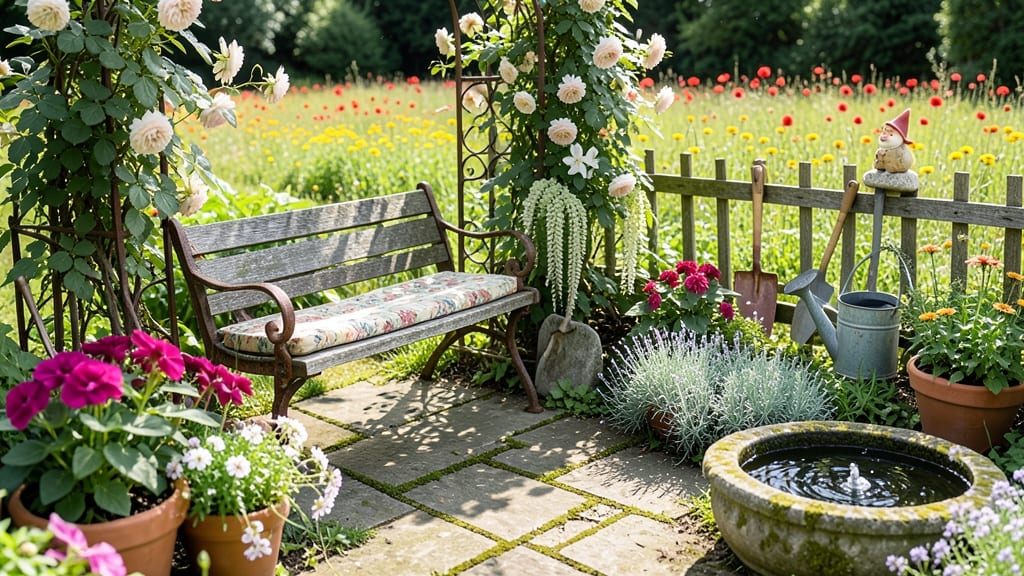
For front yard English garden ideas, create a timeless cottage-meets-formal look with climbing roses, neatly trimmed boxwood hedges, and gravel paths that guide visitors through layered perennial beds. Brighten the space with seasonal blooms like peonies, lavender, and hydrangeas while incorporating hardy sedum and ornamental grasses for effortless upkeep.
English garden front yards thrive on that perfect mix of rustic charm and polished structure. 🌸 The secret lies in balancing soft, rounded flower beds with crisp geometric elements like boxwood borders or stone pathways.
I've seen how even small yards can feel grand when you use vertical space—think climbing clematis on trellises or roses trained along fences to draw the eye upward.
The real magic happens in the seasonal transitions: spring's delphinium spikes give way to summer's hydrangea clusters, then autumn's fiery sedum adds warmth before winter's evergreen structure keeps things interesting.
What makes these designs work so well is their practicality. Many classic English garden plants are surprisingly low-maintenance once established. 💛 For example, lavender thrives on neglect and deters pests naturally, while ornamental grasses like fountain grass need almost no pruning.
The gravel pathways aren't just decorative—they reduce watering needs and keep mud at bay during rainy seasons. I always recommend starting with a "bone structure" of evergreens and perennials that will carry you through the year, then layer in seasonal highlights that change with the weather.
💡 In This Article
- Classic English Garden Design Elements and Their Seasonal Appeal
- Low-Maintenance English Garden Layouts for Small to Medium Front Yards
Classic English garden design elements and their seasonal appeal
The heart of any English garden lies in its structural elements that provide both beauty and function. Boxwood hedges, for instance, serve as the "bones" of the design - their dense, evergreen foliage creates natural borders that frame pathways and flower beds while maintaining a formal aesthetic.
These hedges can be shaped into geometric patterns like rectangles or curves, and they thrive with minimal pruning just 2-3 times per year. The key is to plant them in well-drained soil and space them 18-24 inches apart to allow for full growth without overcrowding. 🌿
Climbing roses take center stage in vertical design, where they transform plain walls or fences into living tapestries. The David Austin English roses are particularly popular because they bloom repeatedly throughout the season, offering fragrance and color from early summer until frost.
For maximum impact, plant them near seating areas where you can enjoy their delicate petals and intoxicating scent. Pair them with delphiniums (for spring height) and foxgloves (for summer texture) to create vertical layers that draw the eye upward.
The science behind this combination is their complementary growth habits - roses provide structure while the other perennials fill in gaps with varying heights and textures.
Seasonal transitions create the magic in English gardens. In spring, delphiniums and foxgloves provide dramatic vertical accents, while summer brings hydrangeas and peonies that offer both color and fragrance.
Autumn's sedum and ornamental grasses add texture and movement, and winter's evergreen shrubs and bare branches create interesting silhouettes against the sky. The color palette typically follows a soft, muted scheme with occasional pops of color from lavender or salvia to create visual interest without overwhelming the space.
This approach ensures your garden remains visually appealing year-round with minimal seasonal changes.
Arbors and trellises serve as both functional and decorative elements, providing support for climbing plants while creating focal points. A well-placed arbor can serve as a gateway to another part of the garden or frame a seating area.
For best results, choose metal or wooden structures that won't rot quickly, and plant clematis or wisteria for maximum impact.
The key to successful climbing plant combinations is matching their growth habits - fast growers like ivy should be paired with sturdy structures, while slower growers like roses need less support. 🌸
Knot gardens, with their intricate geometric patterns, offer a more formal touch that contrasts beautifully with the softer elements. These designs use low-growing herbs like thyme or lavender arranged in symmetrical patterns to create striking visual effects.
The advantage of knot gardens is their low-maintenance nature - once established, they require minimal watering and pruning. For a modern twist, consider using gravel or sand to create patterns between the plants, which adds texture while reducing weed growth.
This technique also helps with drainage, making these gardens particularly suitable for clay-heavy soils common in many regions.
What makes these elements work together is their proportional balance. A general rule is to use the "thirds" method when arranging plants - one-third evergreens for structure, one-third seasonal bloomers for color, and one-third foliage plants for texture.
This ratio ensures your garden maintains interest throughout all seasons while keeping maintenance manageable. The result is a space that feels both timeless and fresh, with each element carefully chosen to complement the others in both form and function. ✨