
Tools
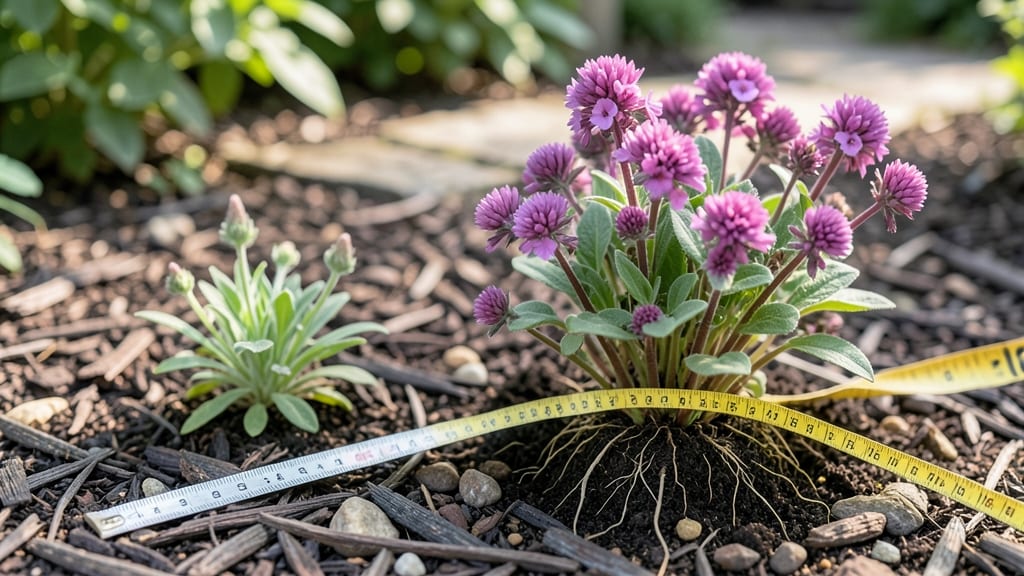
Garden phlox spreads gradually through underground runners, creating dense clumps over 2–3 years. While most varieties remain well-behaved, they'll eventually need dividing every 3–5 years to prevent overcrowding and keep blooms vibrant. Early spring is the ideal time to split clumps for the best regrowth.
Garden phlox spreads through underground stolons—those horizontal stems that creep just below the soil surface. 🌱 Unlike aggressive spreaders, it grows at a moderate pace, typically expanding about 12–18 inches per year under ideal conditions. The good news?
This slow-and-steady habit makes it perfect for borders and cottage gardens, where you want controlled density without invasive takeover. Most gardeners only notice the need for division when blooms thin out or stems become leggy—clear signs the plant's energy is focused on spreading rather than flowering.
Here's the key to keeping your phlox healthy and blooming: timing matters. Dividing in early spring (just as new growth emerges) gives roots time to establish before summer heat stress.
I've found that using a sharp spade to lift the entire clump, then gently teasing apart the roots with your fingers works best—no need for heavy machinery! After replanting, keep divided sections well-watered for the first few weeks to encourage strong regrowth.
This simple process not only rejuvenates your phlox but also gives you free plants to share with fellow gardeners.
💡 In This Article
- How Garden Phlox Spreads and Its Growth Habits
- When and How to Divide Garden Phlox for Longevity
How garden phlox spreads and its growth habits
Garden phlox spreads primarily through rhizomatous stolons—thin, horizontal stems that grow just beneath the soil surface. These stolons produce new shoots at nodes along their length, creating a network of connected plants that gradually form dense clumps.
Unlike aggressive spreaders like mint or bamboo, phlox grows at a controlled pace, typically expanding 12-18 inches per year under optimal conditions.
The spread rate varies by variety, with tall garden phlox (2-4 feet) often growing faster than dwarf varieties (1-2 feet) due to their larger root systems and energy reserves.
The spread mechanism works like this: Each stolon node can develop into a new plantlet with its own roots and shoots.
This process is influenced by environmental factors—well-draining soil with moderate moisture and 6-8 hours of sunlight daily accelerates growth, while poor soil or drought stress slows it down. 🌿 What's fascinating is how phlox adapts: In crowded conditions, older stems die back naturally, making room for new growth.
This self-pruning behavior helps maintain the plant's health while allowing gradual expansion.
Most garden phlox varieties remain well-behaved in terms of spread, but some exceptions exist. For example, 'David' phlox is known for its slightly more aggressive growth habit compared to 'Lipstick' phlox, which stays more compact. The key difference lies in their stolon length and branching patterns.
Tall varieties develop longer stolons that spread wider, while dwarf types produce shorter, bushier clumps. This variation means gardeners can choose phlox types based on their desired spread characteristics—whether they want a ground cover effect or a more contained border plant.
What truly sets garden phlox apart is its balance between spread and containment. Unlike invasive species that require constant control, phlox's natural growth pattern makes it ideal for gardeners who want to create lush displays without aggressive maintenance.
The plant's ability to form dense clumps also provides excellent erosion control on slopes while maintaining a neat appearance. This dual functionality—both ornamental and practical—makes phlox a favorite among cottage garden enthusiasts and landscape designers alike.
Understanding these growth habits helps predict when your phlox might need attention. For instance, if you notice stems growing more than 12 inches apart from the center or see a noticeable decline in flowering, these are signs the plant is focusing energy on spreading rather than blooming.
The solution? Strategic division—turning that spread into an opportunity for propagation and rejuvenation. 💫 This natural growth cycle is what makes garden phlox so rewarding to cultivate over time.