
Size
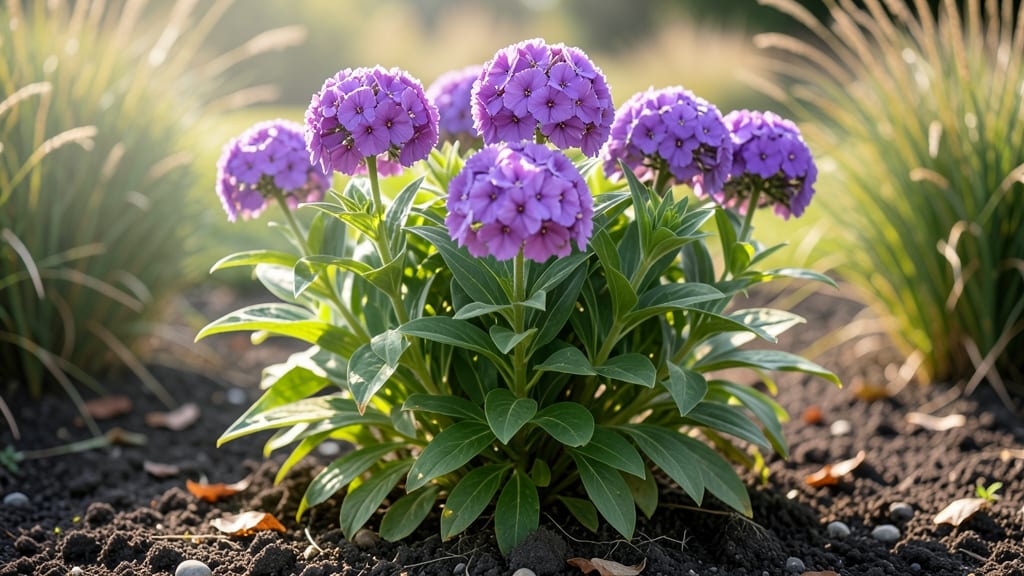
How tall do garden phlox get? They can reach heights of 1 to 4 feet, depending on the variety and growing conditions, making them a versatile choice for borders, beds, or even containers.
If you’re dreaming of vibrant summer blooms but wondering whether garden phlox will tower over your patio or blend seamlessly into borders, their height can make or break your garden design.
Taller varieties like ‘David’ or ‘Blue Paradise’ often stretch toward 4 feet, while dwarf types stay compact at just 1 to 2 feet, perfect for small gardens or window boxes.
Below, I’ll break down how sunlight, soil, and pruning affect their growth, plus the best spacing tips to keep your phlox thriving—no matter how tall you want them to be.

Garden phlox height guide: variety-specific growth ranges explained
If you're planning your summer garden, understanding garden phlox height is key to creating the perfect layout. These vibrant bloomers come in three main height categories—dwarf, medium, and tall—each suited to different garden spaces.
Whether you're designing a front-border display or a backyard statement piece, knowing these growth ranges helps you choose the right varieties for your vision.
I’ve grown phlox varieties for years, and the biggest mistake I see is planting tall types where they’ll overshadow smaller plants—or worse, block walkways. The good news? With the right spacing and pruning, you can control their height naturally.
Let’s break down what to expect from each type and how to make them work in your garden.
Dwarf phlox varieties like 'David' or 'Lipstick' are perfect for small spaces or containers. They rarely exceed 2 feet tall, making them ideal for window boxes or rock gardens. I’ve used them in my front yard to create a colorful edge that doesn’t overwhelm the walkway.
These types also thrive in USDA Zones 3–9, so they’re versatile for most climates.
Medium-height phlox, such as 'Blue Paradise' or 'Jeana', strike a balance with heights of 2–3 feet. They’re my go-to for mixed borders because they pair well with other perennials like black-eyed Susans or coneflowers.
In my garden, I plant them about 18–24 inches apart to allow airflow and prevent disease. These varieties do best in Zones 4–8.
For dramatic impact, tall phlox like 'David’s White' or 'Blue Moon' reach 3–4 feet tall at maturity. I reserve these for the back of borders or as cutting garden stars because their height can overshadow smaller plants.
In my experience, they need sturdy stems to support their blooms, so I always plant them in well-drained soil and full sun. These thrive in cooler climates (Zones 5–7).
One factor that often surprises new gardeners is how phlox height varies by year. In their first year, even tall varieties might only reach 1–2 feet, but by year two, they’ll fill out to their mature size.
This gradual growth makes them easier to integrate into existing garden designs without sudden overgrowth. I always recommend giving them at least two seasons to establish before judging their final height.
If you’re concerned about phlox getting too tall for your space, don’t worry—pruning and spacing can help manage their growth. For example, pinching back medium or tall varieties in early summer encourages bushier, shorter growth.
I’ll cover these techniques in detail in the next section, but for now, remember: less frequent pruning means taller, more leggy plants, while regular pinching keeps them compact.
Another pro tip? Pair tall phlox with shorter perennials like salvia or catmint to create visual layers. This not only makes your garden look more dynamic but also ensures no single plant dominates the space.
I’ve seen stunning displays where tall phlox serve as a backdrop while dwarf varieties add texture at the front.
Finally, remember that soil quality and sunlight play huge roles in phlox height. Rich, well-draining soil with plenty of organic matter promotes healthier, more robust growth. If your garden soil is heavy clay, consider amending it with compost or sand to prevent stunted growth.
And always plant phlox in full sun—they’ll reward you with taller, fuller blooms than shade-grown plants.
Now that you know the height ranges, you’re ready to choose the perfect phlox for your garden. Whether you’re dreaming of a whimsical cottage garden or a modern pollinator-friendly border, there’s a phlox variety that’ll fit your vision—and your space! 🌸
How to control phlox height naturally: pruning and spacing tips
Managing the height of your garden phlox doesn’t require harsh chemicals or drastic measures—just a few simple techniques can keep them at your desired size while promoting healthier blooms.
Whether you love tall border phlox or prefer compact varieties, understanding pruning timing and plant spacing is key to achieving the perfect look.
One of the easiest ways to control phlox height is through seasonal pruning. Cutting back stems at the right time encourages bushier growth and prevents leggy, overgrown plants. For tall varieties, a mid-season trim can reduce height by up to 30% while stimulating more side shoots.
Meanwhile, dwarf phlox benefits from light pruning to maintain their compact shape.
Step-by-Step Guide to Pruning and Spacing
- Step 1: Early Spring Pruning – Cut back dead or damaged stems to 1-2 inches above ground in early spring to encourage new growth.
- Step 2: Mid-Summer Trim – After the first flush of blooms, prune tall stems by 1/3 to promote bushier growth and prevent flopping.
- Step 3: Fall Cleanup – Remove spent blooms and wilted foliage to reduce winter diseases and keep plants tidy.
- Step 4: Optimal Spacing – Plant tall phlox 2-3 feet apart and dwarf varieties 1-2 feet apart to prevent overcrowding.
- Step 5: Mulch Application – Apply 2-3 inches of mulch around the base to suppress weeds and retain moisture.
Proper plant spacing is another game-changer for controlling phlox height. Overcrowded plants compete for nutrients and sunlight, leading to stunted growth and fewer blooms. For tall border phlox, space plants 2-3 feet apart to allow airflow and reduce disease risk.
In contrast, dwarf varieties thrive with 1-2 feet of space, making them perfect for front-of-border plantings.
Adjusting your watering habits can also influence phlox height. Overwatering encourages rapid, leggy growth, while consistent moisture supports compact, sturdy stems. Water deeply once or twice a week, focusing on the root zone rather than the foliage.
This practice helps prevent fungal diseases and keeps plants at a manageable height.
If you’re growing tall phlox varieties like ‘David’ or ‘Lipstick,’ consider staking or using cage supports to keep stems upright without pruning. For small-space gardens, opt for dwarf phlox like ‘Blue Paradise’ or ‘Mourning’—these stay under 2 feet tall while delivering vibrant blooms all season.
With these natural techniques, you can easily tailor your phlox’s height to fit your garden’s design—whether you want a grand backdrop or a neat, low border. Experiment with different pruning schedules and spacing setups to find what works best for your variety and climate! 🌸