
Vegetables
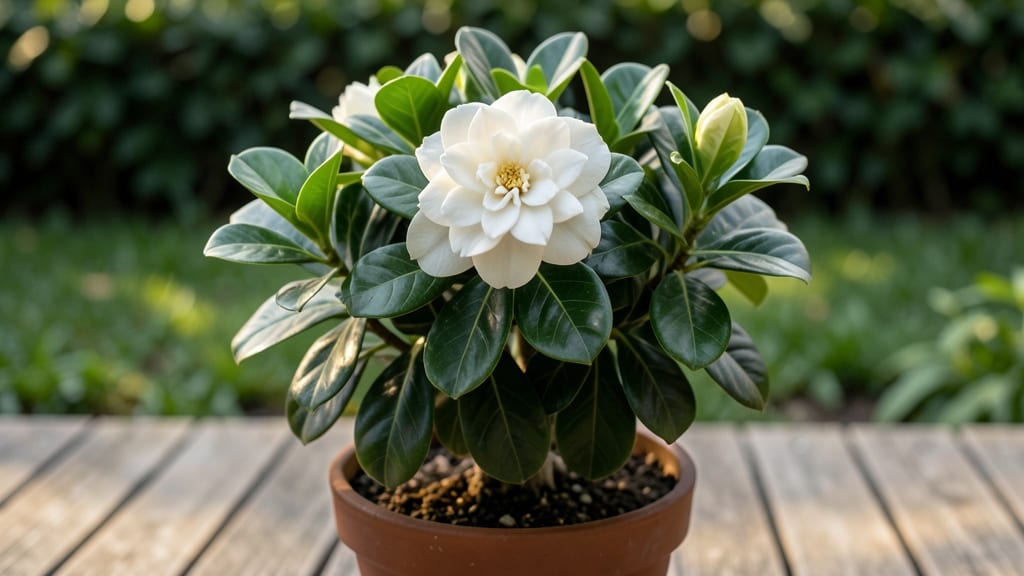
Gardenias stay green all year in frost-free climates with proper care, but they may lose leaves in cold weather or if stressed. Year-round evergreen growth requires consistent moisture, partial shade, and protection from temperature extremes.
Gardenias thrive as evergreens in warm climates where temperatures rarely dip below 40°F, but even a light frost can trigger leaf drop. 🌿 The key to keeping them lush is mimicking their natural tropical habitat—think of them as high-maintenance houseplants that refuse to compromise.
I’ve seen gardenias in USDA Zones 9-11 maintain their foliage year-round with just a little extra winter care, while those in colder zones often need to be brought indoors or heavily insulated.
The secret lies in preventing stress from temperature swings, which can disrupt their growth hormones and cause premature shedding.
For gardeners in marginal climates, the solution isn’t just about warmth—it’s about consistency. A thick layer of mulch around the base helps regulate soil temperature, while drip irrigation ensures roots stay hydrated without the shock of sudden moisture changes.
Even indoor gardenias need this attention; I’ve found that placing them near a south-facing window with a humidity tray can make all the difference during dry winter months. The goal is to keep them happy enough that they never feel the need to conserve energy by dropping leaves.
💡 In This Article
- Why Gardenias Lose Leaves in Winter
- Year-Round Care Tips for Lush Gardenia Foliage
Why gardenias lose leaves in winter
Gardenias are tropical plants that evolved in warm, humid climates where temperatures rarely drop below 50°F. When exposed to cooler weather—especially below 40°F—their leaves begin to yellow and drop as a survival mechanism.
This response is triggered by ethylene gas production, a plant hormone that accelerates leaf senescence (aging) when the plant senses stress from cold. Think of it like a plant version of hibernation: gardenias conserve energy by shedding foliage to protect their core growth structures.
The real culprit isn't just cold air but temperature fluctuations. A gardenia that basks in 75°F sunshine during the day and then gets blasted with 35°F winds at night experiences thermal shock.
These rapid changes disrupt cellular processes in the leaves, causing them to wilt and eventually fall off. Even in USDA Zone 8, where winters are mild, a single hard frost can trigger this reaction.
The plant's roots, which are sensitive to temperature shifts, send distress signals to the leaves, accelerating their decline.
Another key factor is water availability. Cold soil becomes compacted and poorly aerated, making it harder for roots to absorb moisture. When gardenias can't access enough water, their leaves turn yellow and crisp at the edges—a classic sign of dehydration stress.
This is why even well-watered gardenias may drop leaves in winter: the roots simply can't keep up with the plant's demands when soil temperatures drop. In tropical climates, gardenias thrive with 60-70% humidity and consistent moisture—conditions that are nearly impossible to replicate in dry winter air.
What most gardeners don't realize is that gardenias also experience dormancy-like states in response to shorter daylight hours. While they're not true deciduous plants, they'll slow growth and drop older leaves to focus energy on survival.
This is why you might see healthy new growth appearing in spring while older leaves fall—it's not a sign of poor health, but rather a strategic adaptation. The challenge is preventing this natural response from becoming excessive, which requires careful management of light, temperature, and hydration.
Climate zones play a huge role in how gardenias respond. In USDA Zones 9-11, gardenias can remain evergreen year-round with minimal protection, while those in Zones 7-8 often need winter wraps or indoor relocation.
The difference comes down to chilling hours—prolonged exposure to temperatures below 50°F forces the plant into a semi-dormant state. Even a single night of frost can trigger leaf drop, but it's the cumulative effect of cold snaps that really stresses the plant. 🌿
To understand the science, consider that gardenia leaves contain wax coatings that help retain moisture—a trait common in tropical plants. When temperatures drop, these coatings become less effective, leading to increased water loss through transpiration. The plant responds by shedding leaves to reduce surface area and conserve water.
This is why gardenias in containers often suffer more—their root systems are more exposed to temperature swings than those planted in the ground.
One final nuance is how gardenias react to wind exposure. Cold winds increase evaporative loss, making leaves more susceptible to damage. Even in mild winters, a gardenia planted in an exposed location may drop leaves while one in a sheltered spot remains lush.
This is why choosing the right planting location—protected from north winds and early morning sun—can make all the difference in maintaining evergreen foliage. 💫