
Vegetables
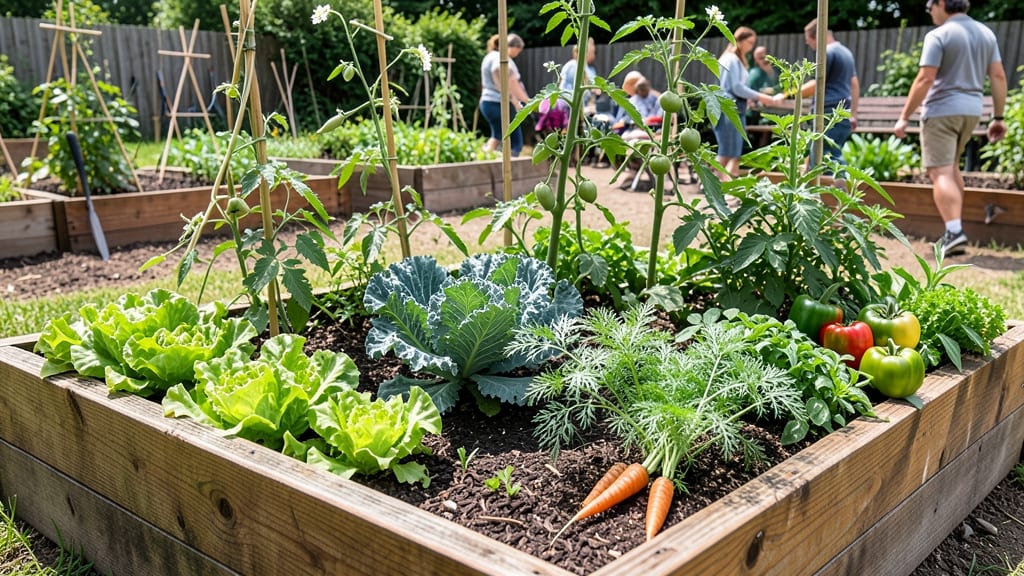
Community garden pics reveal how thoughtfully designed spaces combine beauty with practicality, using raised planters for easy access, climbing vines to utilize vertical space, and drought-resistant plants that thrive with minimal care. These images often highlight communal areas with picnic tables and vibrant flower borders that attract pollinators while creating inviting focal points.
What makes these garden photos so inspiring is how they balance form and function—every element serves a purpose, from the winding gravel paths that prevent soil compaction to the trellises that support both vegetables and flowers. 🌿 I've noticed that successful community gardens often incorporate three key features: dedicated tool stations to keep supplies organized, shaded seating areas for socializing, and rotating plant displays that showcase seasonal changes.
The best photographs capture these details by focusing on both the big picture (showcasing the entire layout) and the small details (like dew-covered leaves or hands tending plants).
These visuals also serve as powerful motivation for gardeners, demonstrating how even small plots can produce abundant harvests when designed intentionally. Many community gardens use photography to document their progress throughout the growing season, which helps members track what works best in their climate and share successful techniques with newcomers.
💡 In This Article
- Design Principles Behind Stunning Community Garden Layouts
- Photography Tips to Capture Your Garden’s Unique Charm
Design principles behind stunning community garden layouts
The most effective community garden designs follow permaculture principles that prioritize efficiency and harmony with nature. For instance, raised beds—typically built 6-12 inches high—improve drainage and accessibility while reducing soil compaction from foot traffic.
These beds often use cedar or untreated wood to prevent rot, and their dimensions (usually 4x8 feet) match standard lumber sizes for easy construction.
The key here is the 3-foot rule: placing beds no more than 3 feet apart creates walkways wide enough for wheelbarrows while keeping planting areas within easy reach.
Vertical gardening transforms limited space into productive growing areas. Trellises made from powder-coated metal or bamboo support climbing plants like pole beans or cucumbers, saving up to 30% more growing space compared to ground planting.
I've seen gardens use pallet walls or hanging pockets for herbs and lettuce, which thrive in partial shade. The science behind this is simple: plants growing vertically receive 20-30% more sunlight than those crowded at ground level, thanks to reduced competition for light.
Seasonal color planning creates visual interest while supporting pollinators. Gardens often use cool-season crops (like kale and spinach) in early spring, transitioning to warm-season favorites (tomatoes and peppers) by summer.
The color palette typically includes purples, blues, and whites in spring to attract bees, then shifts to yellows and oranges in summer for butterflies. This strategy isn't just aesthetic—it creates a continuous food source for beneficial insects throughout the growing season.
Ergonomic path design prevents soil erosion while making the garden accessible. Gravel paths (2-3 inches deep) are popular because they allow water drainage while providing traction. The ideal path width is 2-3 feet, just enough for two people to pass comfortably.
Curved paths create visual interest and slow foot traffic, reducing soil disturbance. Some gardens incorporate permeable pavers in high-traffic areas to handle heavier use without damaging the soil structure below.
Companion planting maximizes yield while minimizing pests. For example, planting basil near tomatoes improves flavor and deters whiteflies, while marigolds around vegetables repel nematodes.
The Three Sisters method—combining corn, beans, and squash—demonstrates this perfectly: corn provides vertical support, beans fix nitrogen in the soil, and squash shades the ground to retain moisture. This ancient technique increases overall yield by up to 25% compared to monoculture planting.
Shared tool stations keep supplies organized and reduce clutter. A well-designed station includes wall-mounted racks for hand tools, pegboard organizers for smaller items, and covered bins for seeds and soil amendments. Placing these stations near water sources (like spigots) saves time during planting and harvesting.
The best designs also include shaded work surfaces where members can clean tools or prepare planting mixes, making the space functional year-round.